Image d’illustration © TopTenPlay EN
The Challenge Of Maintaining Wool Rugs: Beauty Meets Practicality
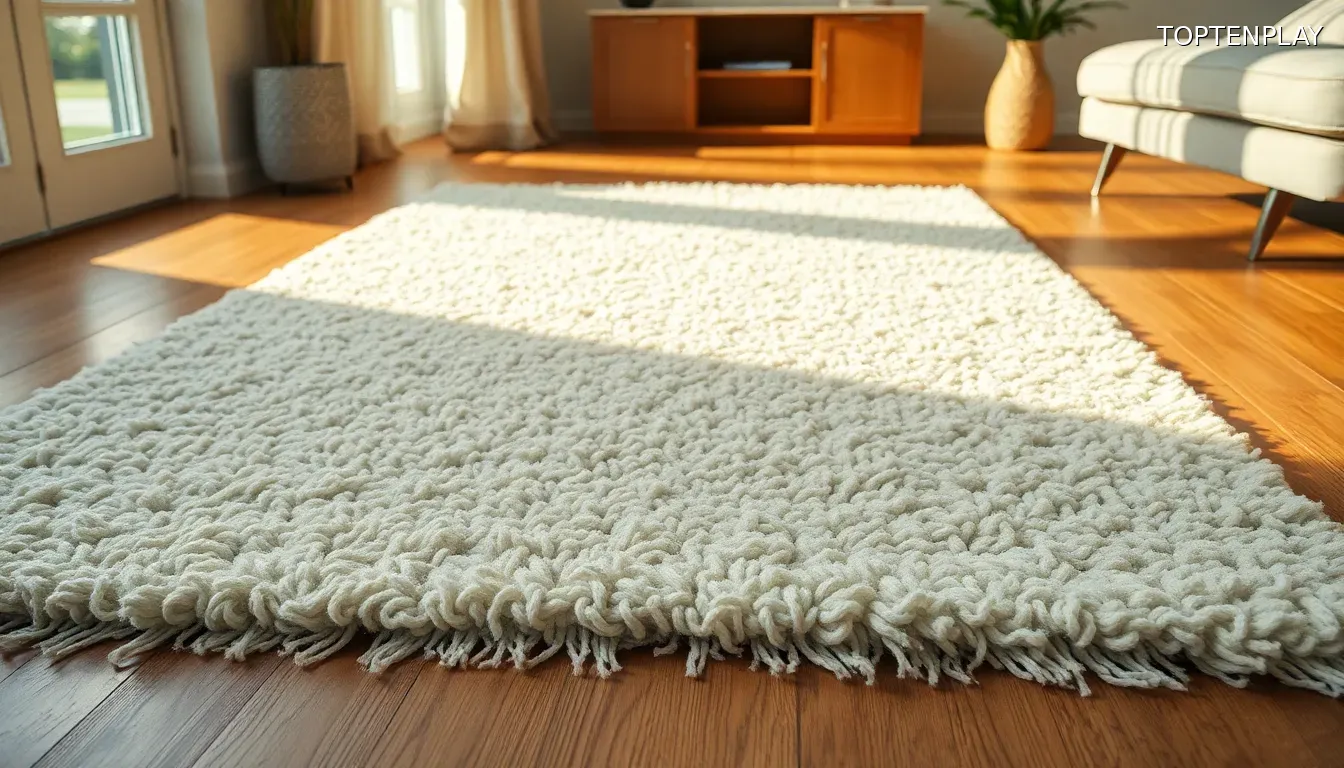
Wool area rugs represent the perfect marriage of luxury and functionality in home decor. Their comfortable texture transforms any space into a cozy haven, while their exceptional durability ensures years of reliable service. Add their hypoallergenic properties to the mix, and it’s easy to understand why these rugs consistently rank among interior designers’ top recommendations.
Yet beneath this impressive list of advantages lies a frustrating reality that every wool rug owner discovers sooner or later. Despite their many pros, wool rugs have one major drawback — they’re notoriously tough to clean. No matter how careful you are with your prized floor covering, stains are bound to happen.
The culprits vary but remain predictably common: spilled coffee during morning routines, red wine accidents during dinner parties, or dirty pet paws tracking mud across pristine fibers. Even without dramatic incidents, regular everyday use gradually leaves these beautiful rugs looking and feeling less than fresh. Dust settles deep into the wool’s natural texture, while foot traffic compacts dirt that vacuuming alone cannot fully eliminate.
This cleaning challenge creates a genuine dilemma for homeowners who’ve invested in quality wool rugs. Professional cleaning services offer expertise but come with hefty price tags and scheduling inconveniences. Fortunately, an unexpected household staple offers an effective solution that rivals professional results while remaining accessible to any budget-conscious homeowner.
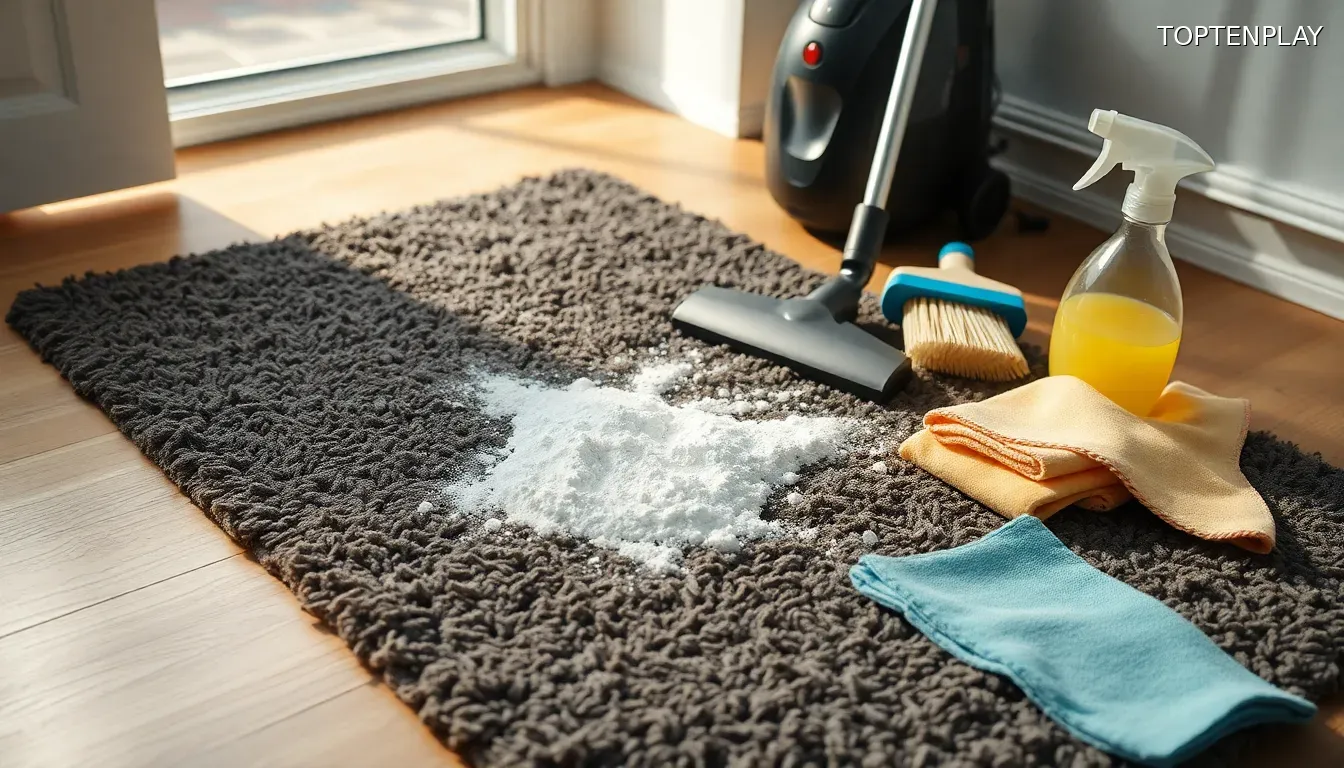
Image d’illustration © TopTenPlay EN
Baking Soda: The Surprising Solution For Deep Cleaning
That unexpected household staple hiding in your kitchen pantry is none other than baking soda — a remarkably effective cleaning agent that transforms wool rug maintenance from an expensive ordeal into a manageable DIY project.
The beauty of this cleaning method lies in its simplicity and accessibility. Your essential toolkit requires just five basic items: baking soda, a standard vacuum cleaner, a bristle brush, a spray bottle filled with water, and a microfiber cloth. These common household tools, likely already present in most homes, deliver professional-caliber results without the professional price tag.
However, wool’s naturally absorbent properties demand strategic planning for optimal results. Unlike synthetic materials that dry quickly, wool fibers retain moisture for extended periods, potentially creating ideal conditions for mildew development. Smart preparation addresses this challenge effectively.
Consider having a protective tarp and large fan readily available to accelerate the drying process. This optional equipment proves invaluable, particularly when cleaning larger rugs or during humid weather conditions. The combination allows you to move your freshly cleaned rug outdoors on hot, sunny days, where natural heat and forced air circulation work together to eliminate excess moisture efficiently.
This strategic approach ensures your wool rug emerges not only thoroughly cleaned but properly dried, preventing the musty odors and potential damage that inadequate drying can cause. The entire process transforms what seems like a daunting cleaning challenge into an achievable weekend project that preserves both your rug’s beauty and your budget.
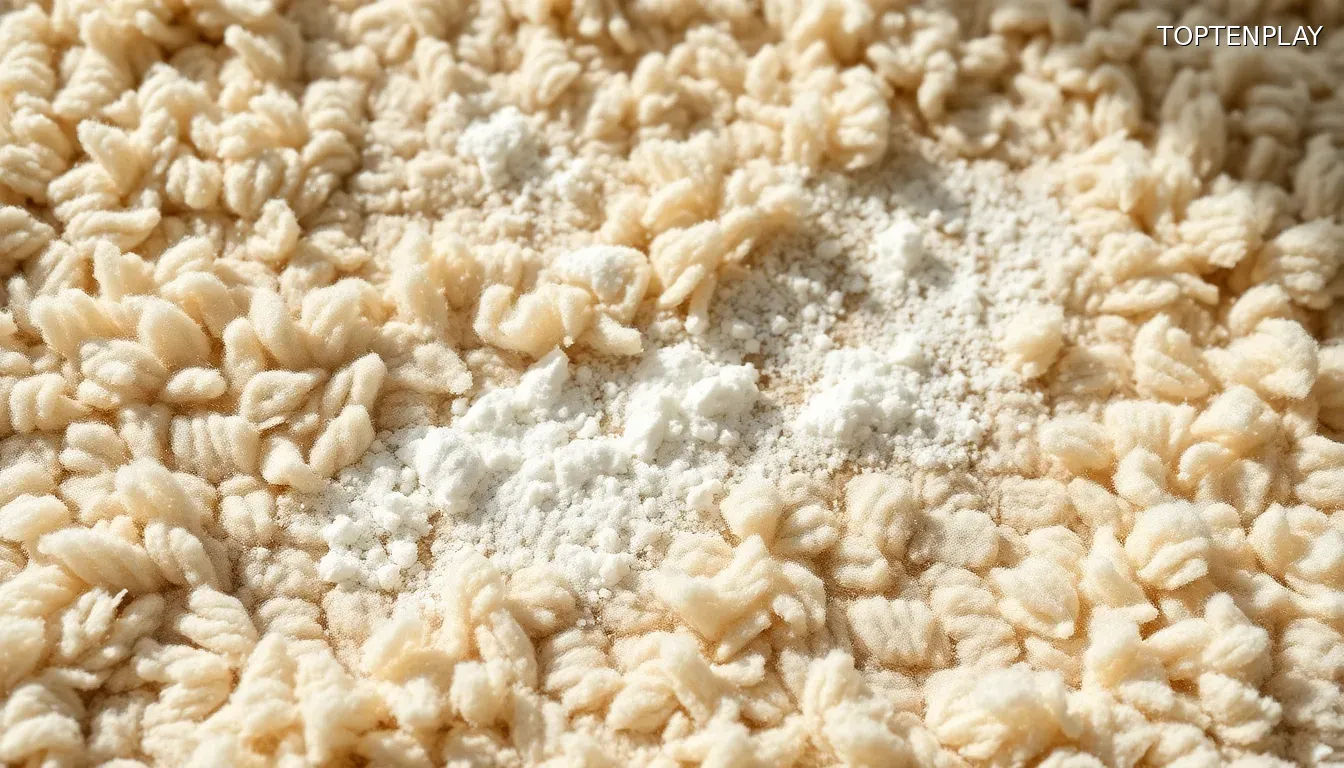
Image d’illustration © TopTenPlay EN
The Step-By-Step Deep Cleaning Process
With your toolkit assembled and drying strategy planned, the actual cleaning process unfolds through a methodical sequence that maximizes baking soda’s natural absorption capabilities.
Begin with thorough vacuuming to eliminate loose dirt, food particles, and debris trapped within the wool fibers. This preparatory step prevents surface contaminants from becoming embedded deeper during the wet cleaning phase. Before proceeding further, conduct a crucial color-fastness test on an inconspicuous corner to ensure your rug’s dyes won’t bleed or fade during treatment.
Once safety is confirmed, generously sprinkle baking soda across the entire rug surface — don’t hold back, as adequate coverage directly correlates with cleaning effectiveness. Using your spray bottle, lightly dampen the baking soda until it forms a workable consistency. The bristle brush becomes your precision tool here, working the moistened mixture deep into the carpet fibers through gentle, systematic motions.
Here’s where patience proves essential: allow the baking soda mixture to sit for a minimum of three hours, though overnight treatment delivers superior results. During this extended contact period, the baking soda actively absorbs embedded stains and lingering odors, essentially drawing impurities from deep within the wool’s structure.
For an elevated sensory experience, consider incorporating a few drops of essential oil — lemon or lavender work particularly well — into your dry baking soda before application. This simple enhancement transforms basic cleaning into an aromatherapy experience.
After the waiting period, vacuum thoroughly once more. The transformation should be immediately apparent: your wool rug will look noticeably brighter and smell considerably fresher, restored to its original appeal.
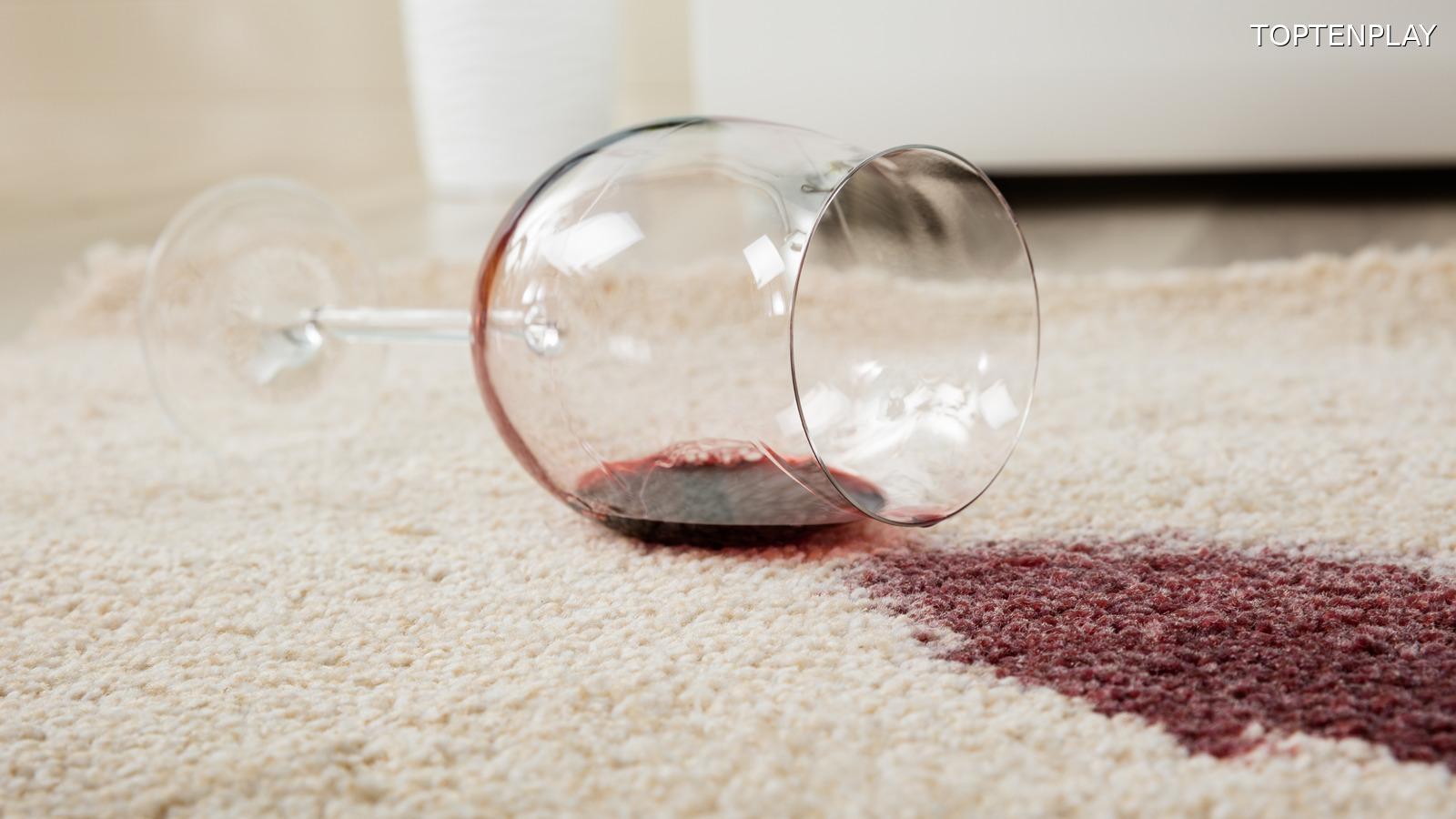
Image d’illustration © TopTenPlay EN
Targeted Stain Treatment And Professional Drying Tips
While comprehensive cleaning addresses general dirt accumulation, specific stains demand a more focused approach that leverages baking soda’s versatility in concentrated applications.
For stubborn spots that survived the initial treatment, targeted intervention proves more effective than repeated full-rug cleaning. Begin by dampening your microfiber cloth with clean water — for particularly challenging or greasy stains, enhance this solution by adding a small amount of dish soap. The key technique here involves pressing, never rubbing, the cloth into the affected area. Rubbing risks pushing the stain deeper into wool fibers or causing permanent damage to the rug’s texture.
Next, create a thick paste by combining baking soda with just enough water to achieve a spreadable consistency. Apply this concentrated mixture directly to the stain, ensuring complete coverage. Again, patience becomes your ally — allow this paste to work overnight, giving it ample time to break down even the most persistent residues.
After vacuuming away the dried paste the following morning, assess your rug’s moisture level. Wool’s naturally absorbent properties mean extended drying times, making mildew prevention crucial. If the rug remains noticeably damp, transport it outdoors using a protective tarp. Position it in direct sunlight with a large fan providing additional airflow — this combination dramatically reduces drying time from days to hours.
This outdoor drying strategy proves particularly valuable after intensive spot treatments, where moisture penetration runs deeper than surface-level cleaning. Better safe than sorry when protecting your investment from moisture-related damage.