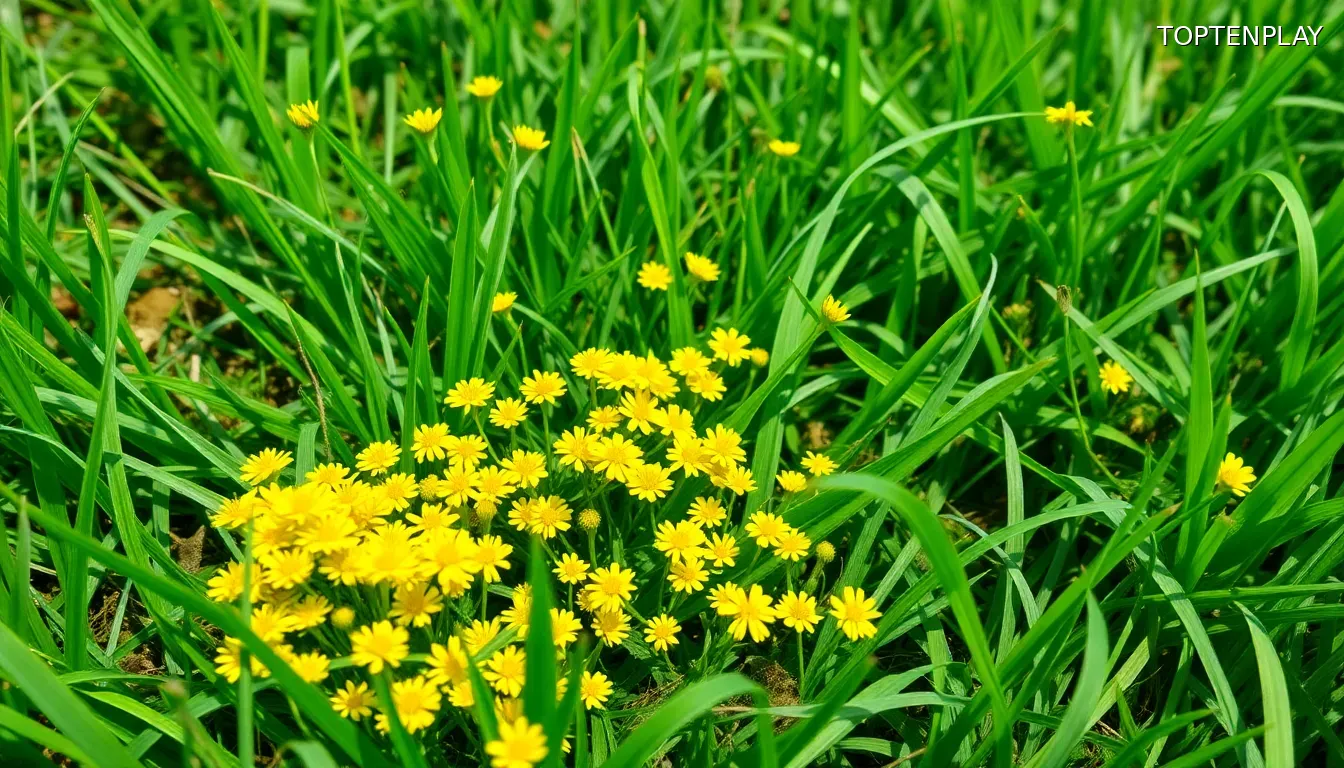
Image d’illustration © TopTenPlay EN
Black Medic: The Misunderstood Yellow Invader
Picture this: you’re surveying your pristine lawn when suddenly, clusters of round yellow flowers catch your eye. Your first instinct? Panic. These clover-like intruders seem to have appeared overnight, disrupting the uniform green carpet you’ve worked so hard to maintain. What you’ve discovered is Medicago lupulina, commonly known as black medic, and your initial alarm is entirely understandable.
This « weed » has become one of the most common yellow invaders across American and Canadian lawns, often forming dense colonies alongside its more familiar cousin, white clover. From sunny roadsides to dry waste grounds, black medic has established itself as a formidable presence throughout North America, having journeyed far from its original European and Asian homelands.
But here’s where conventional wisdom takes an unexpected turn. Before you reach for that vinegar solution or start frantically researching eradication methods, consider this: what if everything you thought you knew about this « nuisance » was wrong? What if this historically significant plant, dismissed as a lawn destroyer, actually holds the key to transforming your outdoor space into a thriving ecosystem?
The truth about black medic reveals a story of mistaken identity, where a plant labeled as problematic might just be nature’s most undercover ally for your lawn’s long-term health.
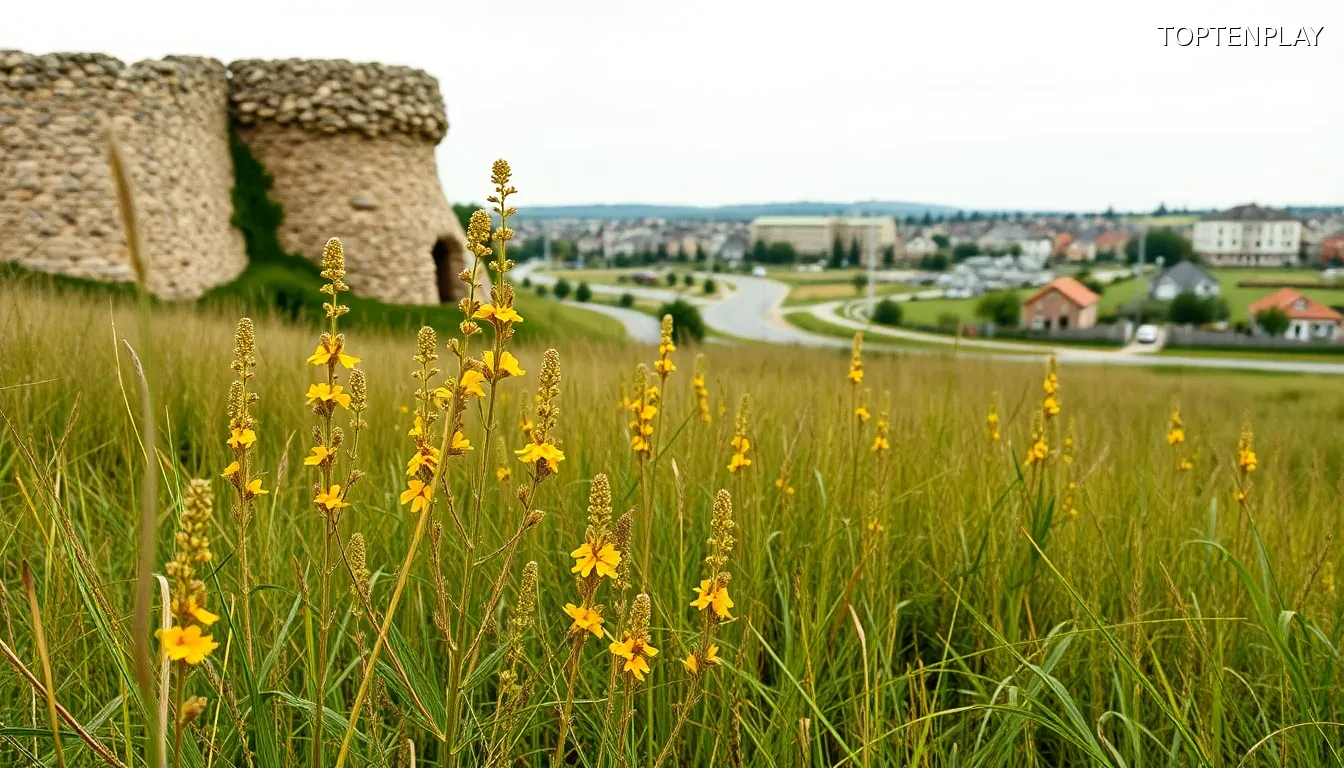
Image d’illustration © TopTenPlay EN
From European Origins To North American Dominance
This story of mistaken identity begins centuries ago, when black medic first took root in the fertile soils of Europe and Asia. But the plant’s most remarkable chapter unfolds through its trans-Atlantic migration, a botanical conquest that transformed it from regional species to continental phenomenon.
Today’s widespread presence across United States and Canadian lawns represents the culmination of an extraordinary adaptation journey. Black medic didn’t simply survive the journey to North America – it thrived, establishing itself with such success that it now ranks among the most common yellow lawn weeds from coast to coast.
What makes this invasion particularly fascinating is the plant’s versatility in colonizing diverse environments. From sun-baked roadsides to dry waste grounds and arid fields, black medic demonstrates an almost uncanny ability to flourish where other plants struggle. This adaptability explains why homeowners frequently discover it forming dense partnerships with white clover, creating what appears to be a coordinated botanical alliance.
Yet beyond its conquest of North American landscapes lies an often-overlooked medicinal heritage. Traditional uses span continents, with historical applications as a digestive aid and natural coagulant revealing a plant whose value extends far beyond simple ground coverage. Some research even points to potential tumor-inhibiting properties, suggesting that this « weed » carries therapeutic secrets developed over millennia.
This remarkable adaptability and hidden potential sets the stage for understanding how black medic transforms from perceived invader into ecological powerhouse.

Image d’illustration © TopTenPlay EN
The Nitrogen-Fixing Powerhouse Hiding In Plain Sight
The ecological transformation begins at the molecular level, where black medic’s true power lies concealed beneath those innocent yellow blooms. As a member of the legume family (Fabaceae), this botanical powerhouse possesses a remarkable ability that most homeowners never suspect: natural nitrogen fixation that silently enhances soil fertility without requiring a single artificial intervention.
But what truly sets black medic apart from its legume relatives is its extraordinary dual capability. While most nitrogen-fixing plants focus solely on enriching soil content, black medic simultaneously conserves precious moisture – a characteristic that makes it an absolute winner in dryland regions where water scarcity challenges traditional lawn maintenance.
This unique combination transforms the plant from simple ground cover into a sophisticated soil management system. The nitrogen enrichment process occurs continuously, creating a self-sustaining fertility cycle that benefits surrounding vegetation. Meanwhile, the moisture conservation mechanism ensures that this biological enhancement continues even during periods of drought stress.
For homeowners struggling with poor soil conditions or living in arid climates, black medic represents a natural solution that operates around the clock. The plant’s superior performance compared to other legumes stems from this rare ability to address multiple soil challenges simultaneously, creating an underground support network that extends far beyond what the eye can perceive.
This hidden soil transformation sets the foundation for even more dramatic ecological contributions that extend well beyond the ground level.
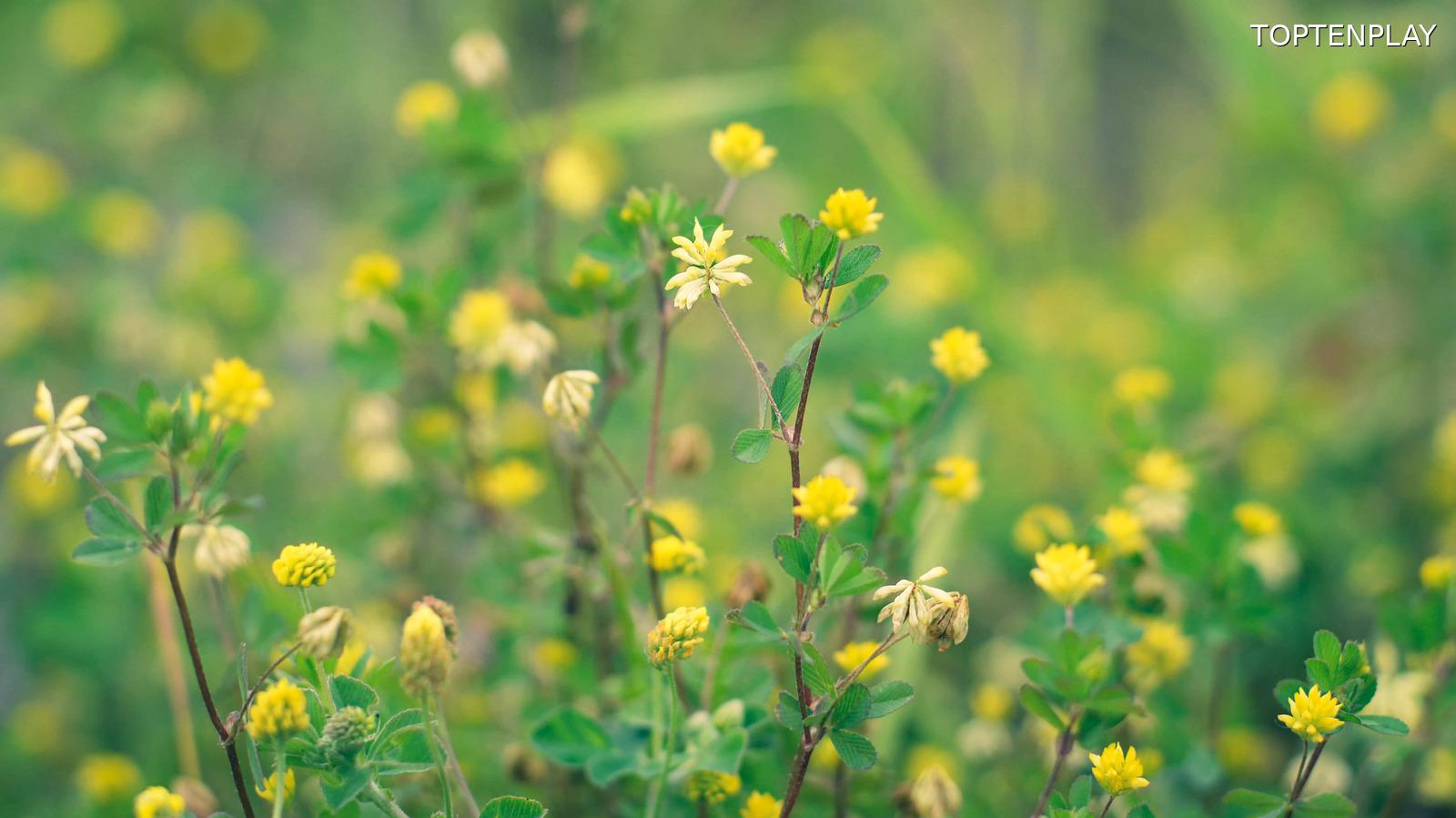
Image d’illustration © TopTenPlay EN
Ecological Guardian: Natural Weed Suppression And Pollinator Magnet
This underground support network extends its influence above ground, where black medic reveals its prowess as a competitive ecological guardian. Despite being classified as a weed itself, this botanical strategist excels at outcompeting other invasive species for essential resources, effectively creating a natural barrier against unwanted vegetation.
California’s agricultural sector has already recognized this potential, with numerous orchards strategically deploying black medic alongside other legumes to form protective ground cover. This proven application demonstrates the plant’s remarkable ability to suppress fall weed propagation, transforming what many consider a lawn nuisance into a legitimate agricultural ally.
The plant’s defensive capabilities extend deep beneath the surface through an impressive taproot system that penetrates up to 5 feet into the soil. This extensive root network serves as a formidable ally against soil erosion, anchoring the earth while simultaneously accessing nutrients that surface-rooted competitors cannot reach.
Once those distinctive yellow blooms emerge, black medic transforms into a pollinator magnet, attracting an impressive array of beneficial insects. Honeybees, halictid bees, butterflies, and flies converge on the flowering clusters, creating a thriving micro-ecosystem that significantly enhances the ecological quotient of any lawn.
This increased beneficial insect presence delivers an unexpected bonus: natural pest control. With higher populations of predatory and parasitic insects drawn to the area, homeowners can expect to see fewer harmful pests threatening their landscape – a biological security system operating entirely without chemical intervention.