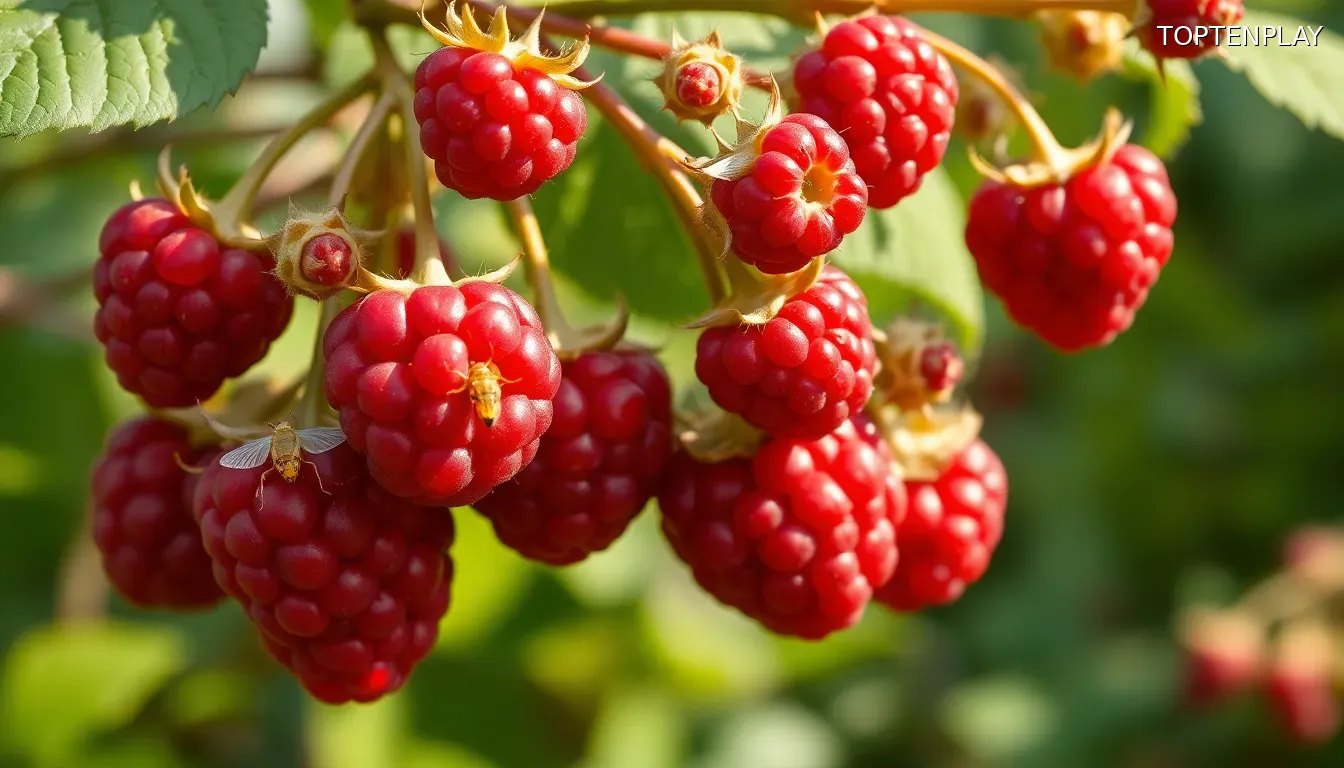
Image d’illustration © TopTenPlay EN
The Hidden Threat Lurking In Your Summer Harvest
At first glance, they appear harmless—tiny insects barely 2 to 3 millimeters long that could easily be dismissed as common fruit flies buzzing around your garden. Yet this seemingly innocent pest has been quietly devastating raspberry crops across the United States since its initial discovery in 2008. The spotted wing drosophila (SWD) represents a new breed of agricultural menace that has caught both commercial growers and home gardeners off guard.
What makes SWD particularly insidious is its deceptive similarity to ordinary fruit flies. While most gardeners recognize the familiar drosophila that hovers around overripe fruit left too long on counters or fallen beneath bushes, the spotted wing variant operates under an entirely different strategy. Unlike common fruit flies that only target rotting or damaged produce, SWD actively seeks out healthy, maturing fruit still attached to the plant.
This critical behavioral difference transforms what appears to be a minor nuisance into a formidable threat. The pest shows a marked preference for soft-skinned berries, with raspberries—especially August and September varieties—ranking among their primary targets. This timing coincides precisely with peak harvest season, when gardeners expect to reap the rewards of months of careful cultivation.
Their presence extends beyond raspberries to other vulnerable crops including blackberries, strawberries, and ripe grapes, establishing SWD as a broad-spectrum threat that requires immediate attention and strategic intervention to prevent widespread crop devastation.
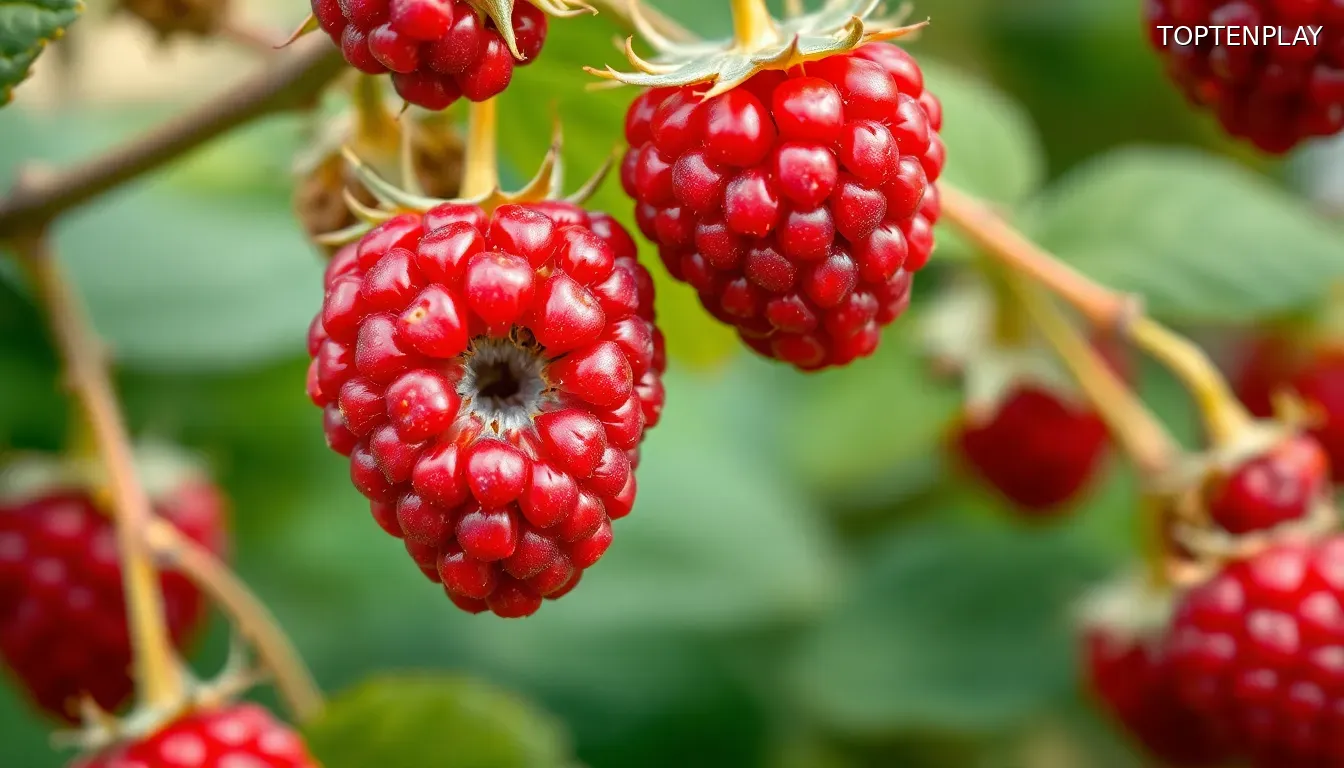
Image d’illustration © TopTenPlay EN
Inside The Destructive Life Cycle Of Spotted Wing Drosophila
Understanding why strategic intervention proves so critical requires examining the SWD’s remarkably efficient reproductive machinery. The female’s saw-like ovipositor serves as her primary weapon—a precision instrument capable of puncturing even the firmest raspberry skin with surgical accuracy. This specialized egg-laying apparatus allows her to bypass the fruit’s natural defenses and deposit her payload directly into the flesh.
Once she identifies a suitable target, the female executes her assault with methodical precision. Each attack delivers one to three eggs per puncture wound, while maintaining an astonishing production rate of approximately 16 eggs daily throughout her active reproductive period. This relentless pace continues for roughly a month, transforming each female into a prolific colonization unit.
The devastation accelerates rapidly from this point. Within 12 to 72 hours, cream-colored larvae emerge from their protective shells—headless, legless maggots that immediately begin consuming the fruit from within. These hidden destroyers reach full maturity in approximately one week, either pupating inside their current host or abandoning it to complete their transformation elsewhere.
The mathematics of infestation become truly alarming when considering the complete picture. With adult flies emerging within just 15 days and each female capable of producing up to 350 eggs during her lifetime, a small initial population can explode into thousands of individuals within weeks. This exponential growth pattern explains why gardeners often discover extensive damage seemingly overnight, long after the invasion began undetected.
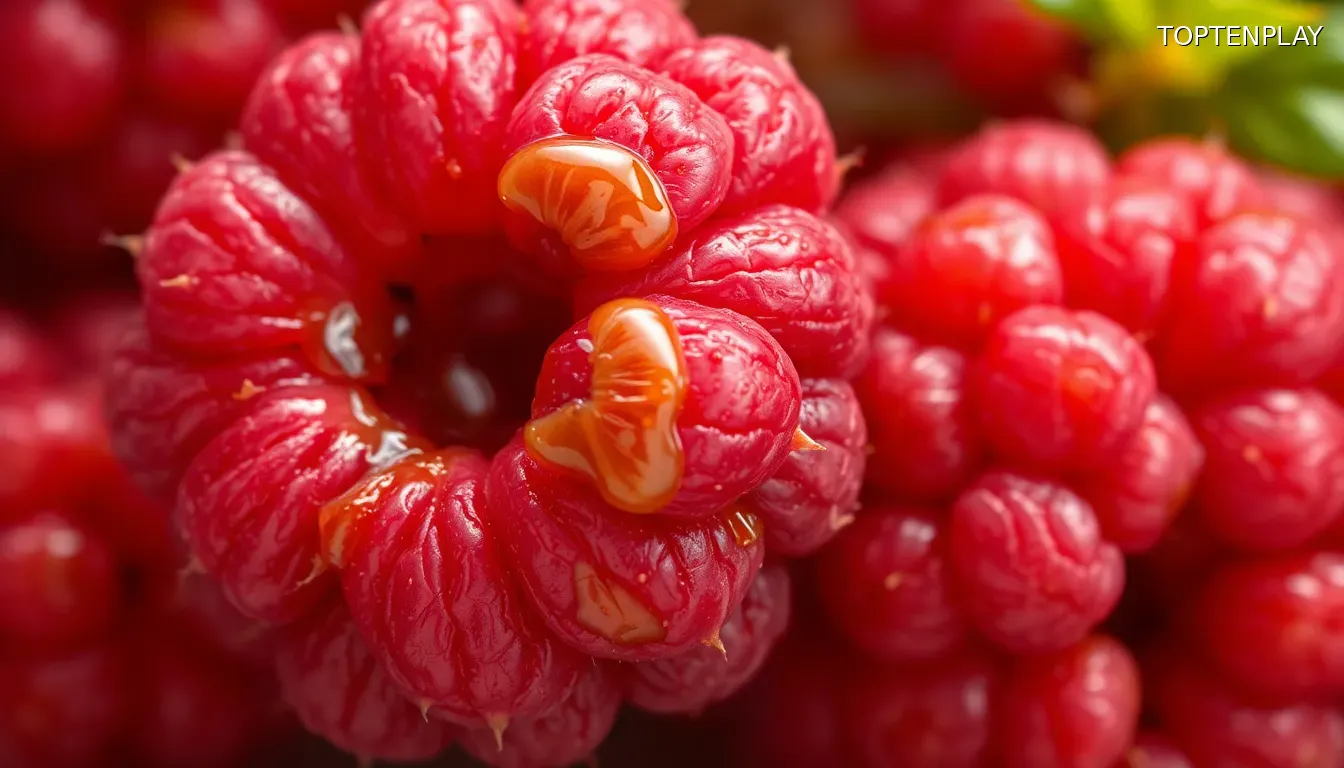
Image d’illustration © TopTenPlay EN
The Devastating Impact On Your Raspberry Crop
This invisible army of larvae unleashes its destruction from within, transforming healthy raspberries into compromised fruit through a systematic feeding process that often goes unnoticed until harvest time. As the cream-colored maggots consume the flesh from inside, the first visible signs emerge as wrinkled and mushy areas where the fruit begins caving in around feeding sites.
The deterioration progresses rapidly beyond these initial soft spots. Brown discoloration spreads across the berry’s surface, while excessive liquid seepage creates telltale stains that signal internal compromise. These visible symptoms represent only the beginning of a cascading failure that extends far beyond the larvae’s direct feeding damage.
The female’s ovipositor introduces more than just eggs during her attacks—it serves as a delivery system for devastating secondary infections. Acetobacter bacteria frequently enters through puncture wounds, accelerating decomposition and creating ideal conditions for fungal diseases to take hold. This bacterial invasion transforms infected raspberries into breeding grounds for additional problems.
The compromised fruit becomes increasingly vulnerable to opportunistic insects and pathogens that exploit the weakened plant tissue. Fungal spores proliferate in the moist, damaged areas, while other pest species are drawn to the fermenting sugars released by decomposing fruit. What began as a single SWD attack evolves into a complex web of interconnected plant health issues.
The insidious nature of this damage pattern creates the perfect storm for gardeners. By the time visible symptoms appear on ripening fruit, larvae populations have already established themselves throughout the patch, making intervention significantly more challenging and less effective.
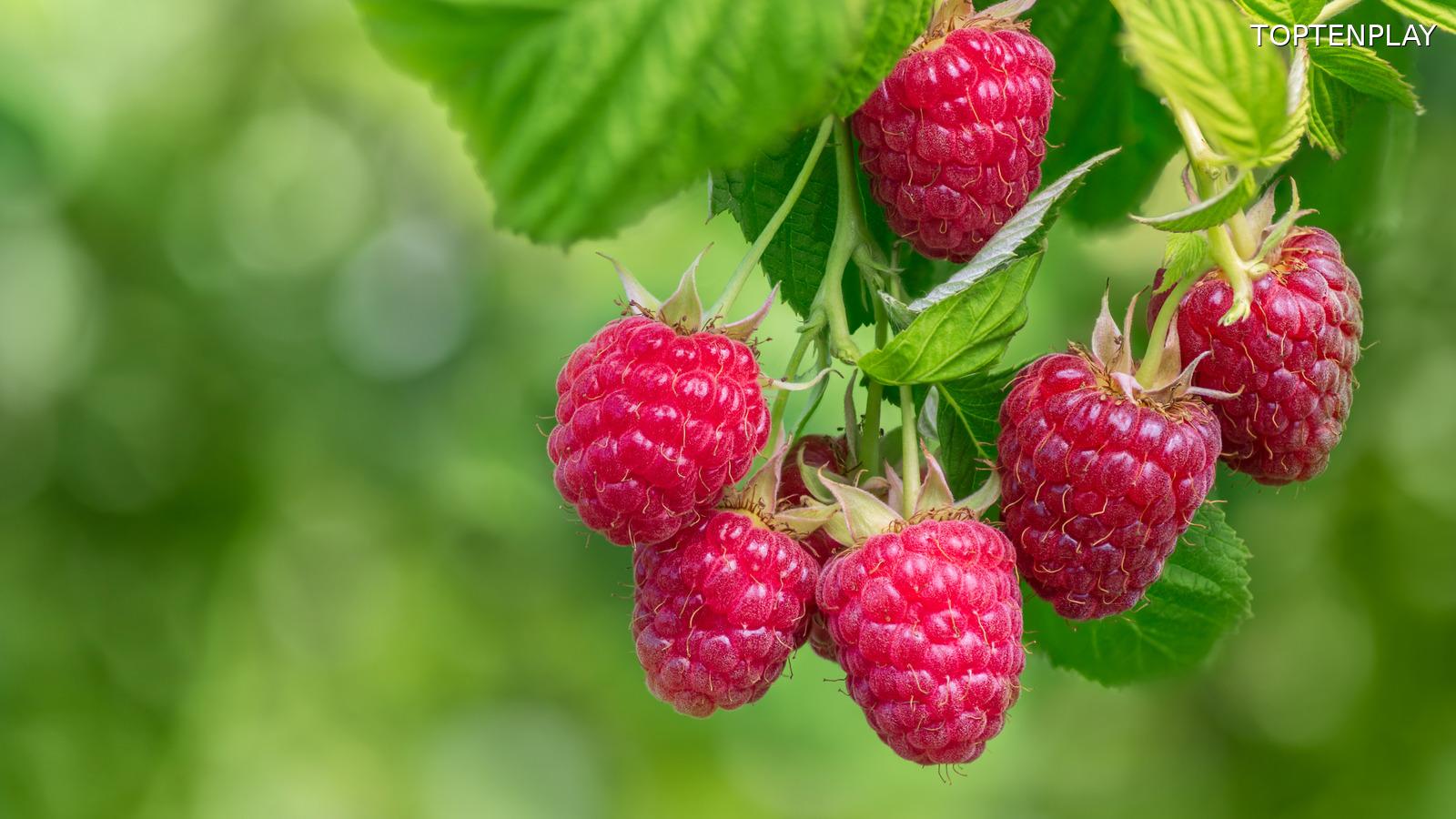
Image d’illustration © TopTenPlay EN
Combat Strategies For Protecting Your Berry Patch
The window for effective intervention demands swift action, but targeted strategies can still salvage your harvest and prevent future devastation. Daily fruit inspection becomes your first line of defense—examine each raspberry for unusual softness, juice leakage, or early signs of collapse that signal internal feeding activity.
When infected fruit is discovered, immediate removal proves critical. Store compromised berries in clear plastic bags, then either bury them completely or place them in direct sunlight to eliminate developing larvae. Standard composting or casual disposal allows surviving larvae to escape and reinfest your patch, perpetuating the cycle of destruction.
The salt water test offers a simple diagnostic tool for confirming suspicions. Submerging questionable berries in salt water forces hidden larvae to float to the surface, revealing the true extent of infestation within seemingly healthy fruit.
Long-term protection requires environmental modifications that disrupt SWD breeding preferences. Frequent pruning and controlled watering eliminate the humid, shaded conditions that attract adult flies seeking ideal egg-laying sites. Mesh netting coverage creates a physical barrier during peak vulnerability periods.
Apple cider vinegar traps serve primarily as monitoring tools rather than population control measures, alerting gardeners to adult fly presence before widespread egg-laying occurs. Early harvesting—collecting berries immediately when they first change color—removes fruit before females can complete their reproductive cycle.
Ground maintenance completes the defensive strategy. Clearing fallen and overripe fruit eliminates shelter sites where adult SWDs congregate, reducing the local breeding population that threatens your next growing season.