📌 This skin condition affects 90% of men but they’re too embarrassed to talk about it
Posted 29 November 2025 by: Admin
Common Groin Irritations: Identifying The Culprits
The groin area’s warm, moist environment creates ideal conditions for skin problems to flourish. Among the most prevalent issues are ingrown hairs and folliculitis, two conditions that frequently perplex sufferers due to their similar appearance yet distinct origins.
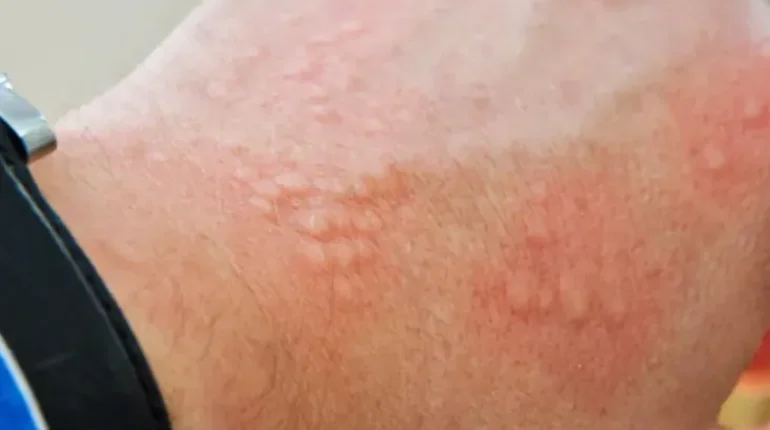
Ingrown hairs emerge when hair grows sideways or curls back into the skin instead of rising normally. Shaving, waxing, or plucking too closely—combined with friction from tight clothing and naturally coarse hair—triggers this uncomfortable response. The result: small red, itchy bumps that may progress to pus-filled formations if infection develops. Visual identification proves straightforward: look for round, inflamed spots with potential discharge.
Folliculitis operates differently, though symptoms mirror ingrown hairs superficially. This condition involves inflammation of hair follicles themselves, typically initiated by bacterial invasion—particularly Staphylococcus aureus. The infection manifests as red or white-headed pimples accompanied by tenderness and burning sensations. Unlike ingrown hairs stemming from mechanical trauma, folliculitis requires understanding its infectious nature: bacteria exploit compromised skin barriers created by shaving, friction, or unsanitary conditions.
Both conditions share environmental triggers that demand attention. Tight, non-breathable fabrics intensify inflammation by trapping moisture and heat. Poor shaving technique compounds problems, as close cutting and improper direction elevate follicle irritation. Early recognition through these visual markers—redness, inflammation, pustules—enables timely intervention before complications escalate into severe infections requiring medical attention.
Fungal And Allergic Reactions: The Moisture Connection
While mechanical trauma triggers many groin irritations, environmental conditions create equally serious threats through fungal infections and allergic responses. Tinea cruris, commonly known as jock itch, thrives precisely in the warm, moist environment that defines the groin area. This fungal infection affects not only the groin itself but extends to inner thighs and buttocks, with prevalence notably higher in men. The condition manifests through red, scaly patches with distinctly raised edges that spread progressively if left untreated.
The infection flourishes when excessive sweating combines with tight, non-breathable clothing that prevents adequate air circulation. Sharing towels or personal items accelerates transmission, making prevention through personal hygiene crucial. Antifungal creams containing clotrimazole or terbinafine address the infection effectively, yet prevention—maintaining dryness and wearing loose cotton garments—proves equally vital.
Contact dermatitis operates through a different mechanism entirely, though consequences prove equally uncomfortable. This condition stems from allergic or irritant reactions triggered by soaps, detergents, perfumes, dyes, latex, or synthetic fabrics. The reaction manifests as red, itchy inflammation accompanied by peeling, flaking, and in severe cases, blistering. Identifying the specific irritant becomes essential, as the solution involves complete avoidance rather than topical medication alone.
Both conditions share a common denominator: moisture and heat create breeding grounds for complications. Whether fungal overgrowth or allergic cascade, the groin’s confined anatomy amplifies susceptibility. Understanding these moisture-dependent triggers reveals why simple environmental modifications—choosing breathable fabrics and maintaining dryness—form the foundation of effective management before medical intervention becomes necessary.
Intertrigo And Skin Fold Complications
The moisture-dependent vulnerabilities identified in fungal and allergic reactions intensify dramatically in skin folds, where environmental conditions reach their worst. Intertrigo develops precisely where skin surfaces rub against each other—a hidden danger zone that standard hygiene routines often overlook. This rash emerges from the combined assault of friction, persistent moisture, and severely restricted air circulation, creating conditions virtually guaranteed to trigger inflammation and secondary infections.
The condition manifests with unmistakable signs: raw, burning skin accompanied by an unpleasant odor signaling bacterial or fungal colonization. Excessive sweating and tight, non-breathable clothing amplify the risk exponentially, while obesity or overweight status compounds friction through increased skin-to-skin contact. Unlike localized irritations, intertrigo’s progression occurs silently in areas visibility and air exposure rarely reach.
Prevention requires aggressive environmental control rather than reactive treatment. Barrier creams containing zinc oxide create protective layers against moisture, while talcum and antifungal powders maintain dryness essential for healing. Daily thorough drying after sweating becomes non-negotiable, and loose cotton clothing replaces synthetic alternatives that trap moisture. Secondary infections demand immediate intervention with appropriate antifungal or antibacterial applications before systemic complications develop.
Recognizing intertrigo’s prevalence in overlooked body mechanics shifts treatment from cosmetic concern to genuine medical priority. The condition’s tendency toward recurrence emphasizes that mechanical solutions—controlling moisture, reducing friction, and ensuring ventilation—must precede pharmaceutical approaches to achieve lasting resolution.
Prevention Protocols And Medical Intervention Thresholds
The mechanical and environmental strategies outlined through intertrigo management extend into broader preventive architecture that addresses all groin irritation categories simultaneously. Effective prevention requires deliberate modification of daily practices rather than waiting for symptomatic intervention. Shaving technique precision emerges as foundational—using clean razors and following natural hair growth direction minimizes ingrown hair formation, while avoiding excessively close cuts prevents follicular trauma that invites bacterial invasion.
Fabric selection carries measurable impact on irritation risk. Cotton underwear provides superior breathability compared to synthetic alternatives, reducing moisture accumulation that accelerates fungal proliferation and bacterial growth. Loose-fitting garments replace tight clothing that generates friction and traps sweat against vulnerable skin. Hygiene practices intensify beyond standard washing: daily cleansing after sweating, thorough drying in all skin folds, and exclusive use of fragrance-free soaps eliminate chemical irritants and pathogenic moisture.
Critical escalation indicators determine when self-management transitions to medical necessity. Rashes persisting beyond two weeks warrant professional evaluation, as do symptoms involving severe pain, swelling, or pus discharge. Fever or flu-like symptoms signal systemic infection requiring immediate intervention. Rapid spreading patterns or recurring episodes after treatment completion indicate resistant pathogens demanding diagnostic precision and targeted pharmaceutical protocols. Healthcare consultation becomes non-negotiable when these thresholds appear, preventing minor irritations from advancing into complicated dermatological conditions requiring extended treatment or leaving permanent tissue damage.