Image d’illustration © TopTenPlay EN
The Hidden Risk Of Peel-And-Stick Tiles: Why Moisture Matters
When budget constraints, time limitations, or rental restrictions make traditional flooring replacement impossible, peel-and-stick tiles emerge as the obvious quick-fix solution. These convenient alternatives promise instant transformation without the hassle of professional installation or significant investment. Yet beneath this appealing surface lies a moisture trap that could compromise your home’s structural integrity.
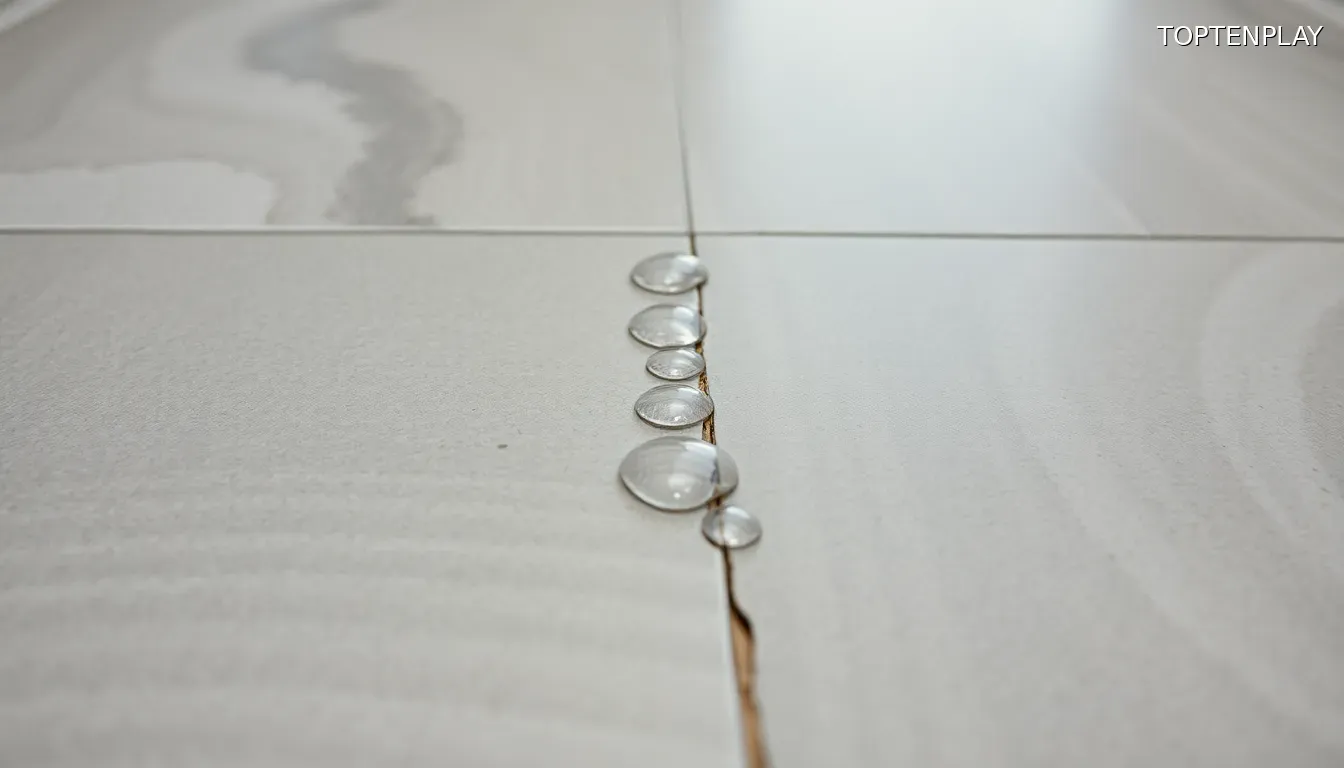
The fundamental flaw reveals itself during routine cleaning. Every time you mop, moisture infiltrates the microscopic gaps between tiles, creating an invisible reservoir beneath the surface. This trapped water becomes a breeding ground for mold growth, while simultaneously threatening the subfloor with gradual deterioration. The damage extends beyond simple aesthetics – it strikes at the foundation of your flooring investment.
High humidity environments amplify this vulnerability exponentially. Kitchen spills, bathroom splashes, and even seasonal moisture fluctuations contribute to the accumulation. What begins as innocent dampness evolves into a persistent threat lurking unseen below your feet.
The irony proves particularly striking for renters seeking non-permanent solutions. The very flexibility that makes peel-and-stick tiles rental-friendly becomes their greatest weakness when moisture penetration compromises the underlying structure they’re meant to protect.
Professional flooring contractors have long recognized this inherent vulnerability, developing specialized techniques to transform these convenient tiles into truly waterproof installations. The solution lies not in abandoning peel-and-stick technology, but in understanding how to properly seal the system against moisture infiltration.
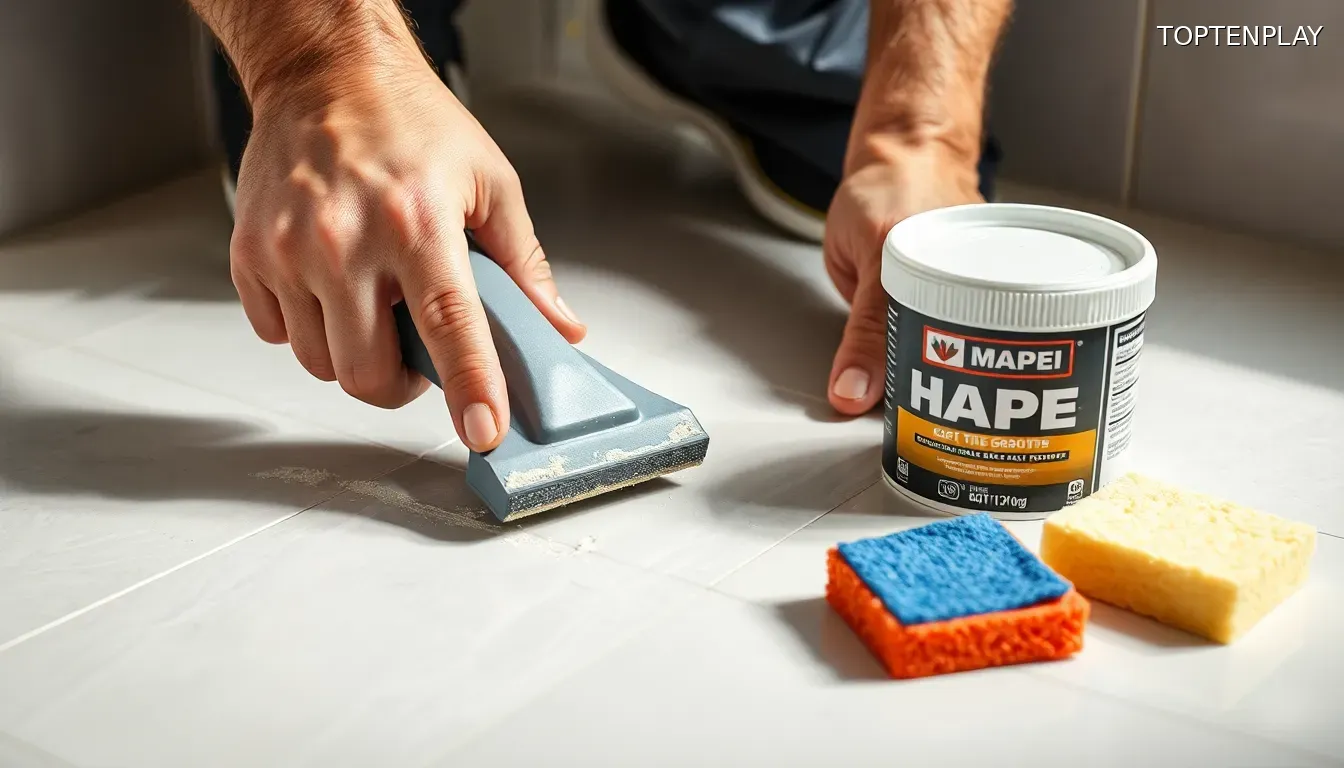
Image d’illustration © TopTenPlay EN
The Grouting Solution: Materials And Technique
The specialized technique that transforms vulnerable peel-and-stick installations into moisture-resistant surfaces centers on strategic grout application between tile seams. This process creates the watertight seal that standard installations desperately lack, effectively eliminating the moisture infiltration pathways that threaten structural integrity.
Professional-grade materials make all the difference in execution success. The MAPEI Flexcolor 4 LVT represents the gold standard for peel-and-stick applications, specifically engineered to bond with luxury vinyl tile surfaces. Available at Lowe’s for approximately $6 per quart, this specialized grout offers four color options, ensuring seamless integration with existing tile aesthetics.
The application technique requires precision over speed. Using a grout float or versatile alternatives like multi-purpose paint tools, contractors scoop measured amounts of grout and press it into seams at controlled angles. This angled approach ensures complete crevice penetration, eliminating air pockets that compromise the seal’s effectiveness.
Essential tools streamline the process significantly. The Goldblatt Grout Float with 3-pack sponges, available on Amazon for around $30, provides everything needed for professional results. The included sponges prove crucial for immediate excess removal after each section completion – timing that prevents grout hardening in unwanted areas.
This methodical section-by-section approach transforms tedious installation into manageable segments. Each completed area undergoes immediate cleaning with damp sponges, ensuring crisp seam lines while the grout remains workable. The result creates an impenetrable moisture barrier that fundamentally changes how these floors respond to cleaning and environmental challenges.
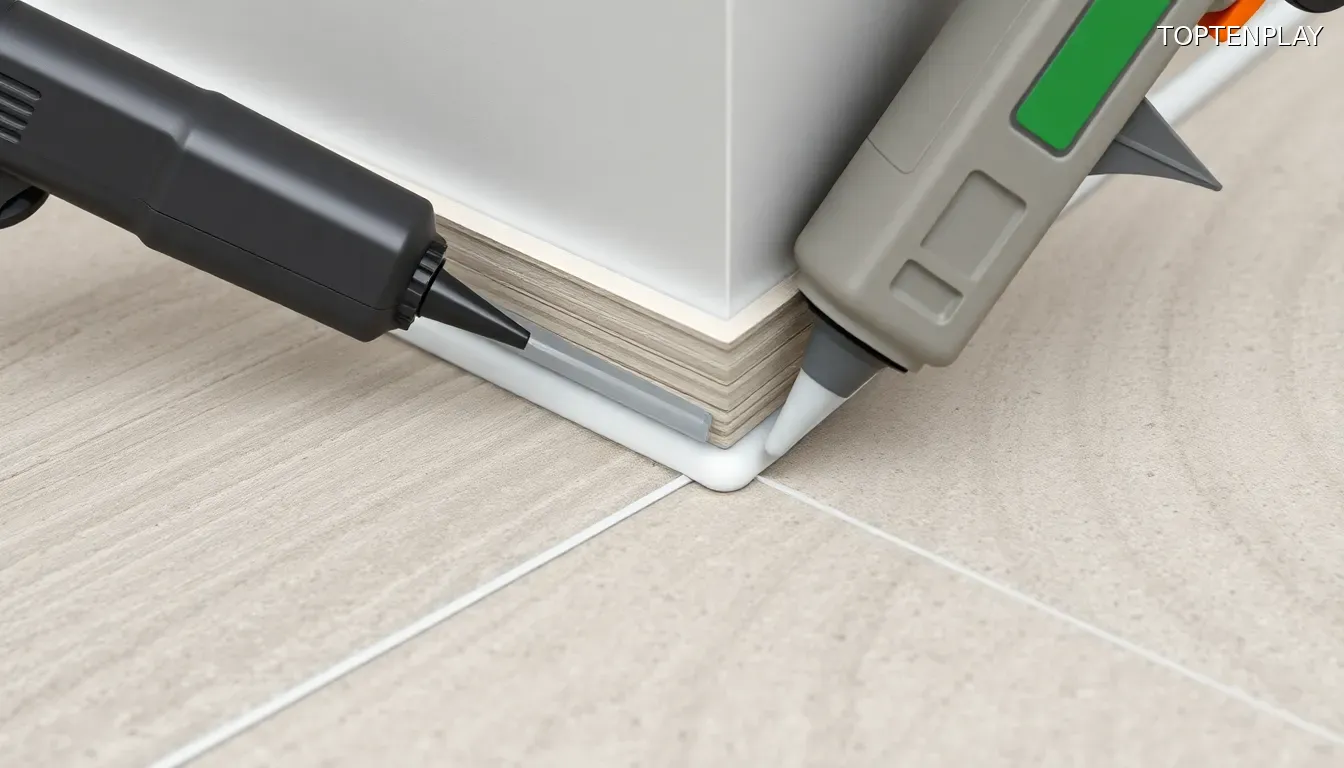
Image d’illustration © TopTenPlay EN
Sealing The Perimeter And Advanced Techniques
While section-by-section grouting creates the primary moisture barrier, complete protection demands attention to the installation’s most vulnerable points: perimeter edges where tiles meet doors, molding, and wall transitions. These gaps represent the final frontier in achieving true waterproof integrity.
Silicone caulking provides the professional solution for perimeter sealing. A continuous bead applied with a standard caulk gun creates flexible, permanent barriers that accommodate natural building movement. This approach proves particularly effective around doorways and baseboards where rigid grout might crack under structural shifts.
For installers without caulking equipment, the finger-press technique offers a workable alternative. Simply pressing grout around edges with fingertips creates adequate seals, though excess removal becomes more challenging. This method works best in smaller spaces where caulk gun maneuverability becomes problematic.
Grout type fundamentally determines final treatment requirements. Epoxy-based formulations like MAPEI Flexcolor 4 LVT contain inherent sealing properties, eliminating additional protective steps. These premium products cure to form impermeable surfaces that resist moisture penetration indefinitely.
Cement-based grouts require mandatory sealant application for optimal performance. Using a thin paintbrush, apply sealant evenly across all grouted surfaces. The critical three-minute waiting period allows proper penetration before excess removal with clean cloths.
This comprehensive sealing approach transforms standard peel-and-stick installations into resilient flooring systems capable of withstanding aggressive cleaning routines. The investment in proper perimeter treatment pays dividends through extended floor life and eliminated moisture concerns that typically plague these installations.
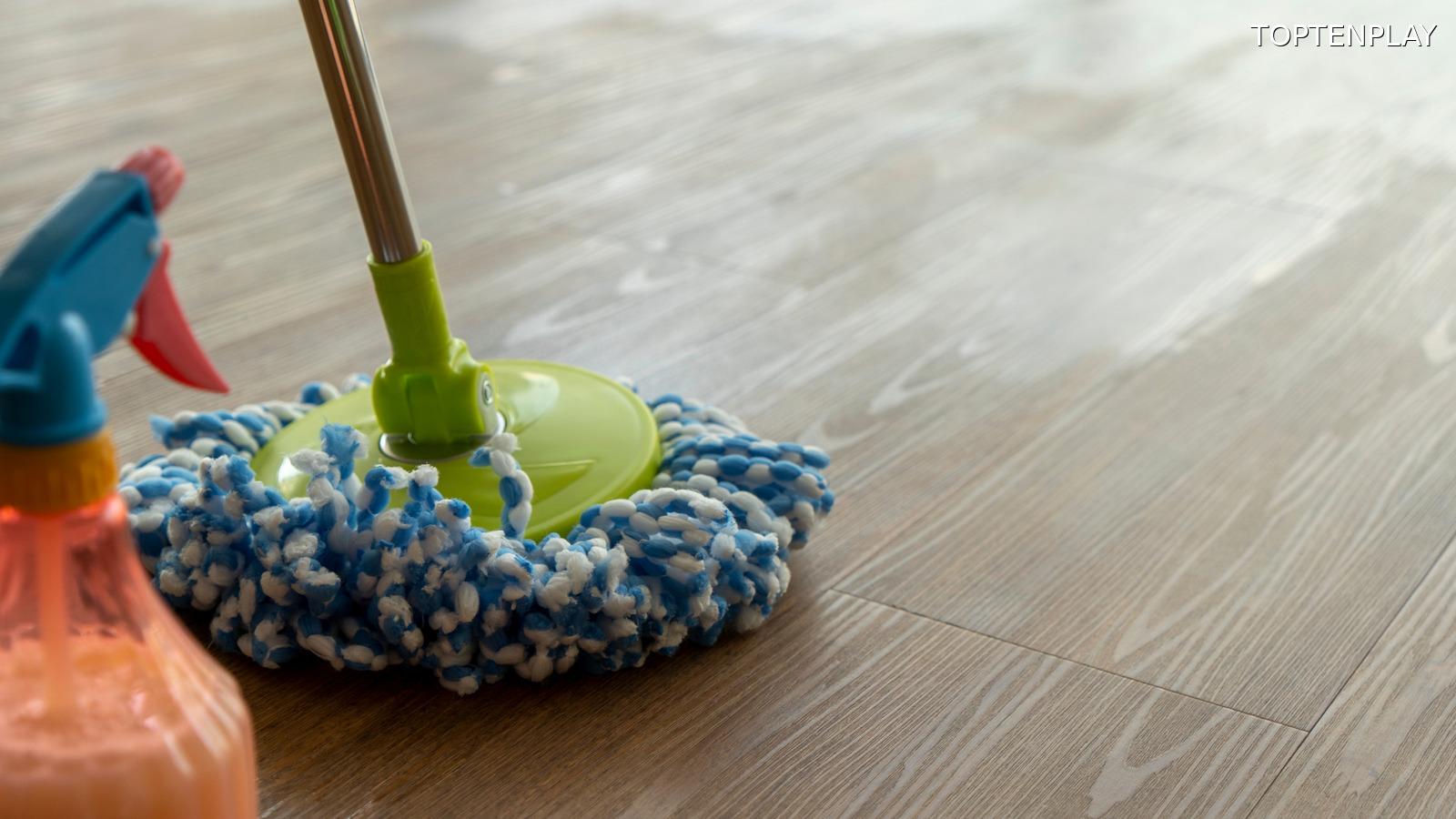
Image d’illustration © TopTenPlay EN
Beyond Protection: Aesthetic Benefits And Pro Tips
While the comprehensive sealing investment delivers moisture protection dividends, the aesthetic transformation proves equally compelling. This meticulous grouting process, though admittedly tedious and time-consuming, unlocks a dual benefit system that extends far beyond mere water damage prevention.
The visual impact cannot be overstated. Properly grouted peel-and-stick installations achieve remarkable ceramic tile mimicry, eliminating the telltale flat appearance that immediately identifies budget flooring. Professional-grade grout lines create depth, shadow play, and authentic texture that transforms basic vinyl planks into convincing high-end surfaces.
Strategic enhancement techniques elevate results further. Installing spacers between tiles during initial placement creates deliberately wider grout lines that amplify the realistic ceramic effect. These expanded joints accommodate more grout material, producing pronounced definition that rivals traditional tile installations. The investment in spacers—minimal compared to full ceramic replacement—delivers disproportionate visual returns.
This enhanced realism proves particularly valuable in high-visibility areas where flooring appearance directly impacts room aesthetics. Kitchen backsplashes, bathroom floors, and entryway transitions benefit significantly from the elevated presentation that proper grouting provides.
The time investment in comprehensive grouting pays compound returns: safe mopping capabilities without water damage concerns, extended installation longevity through moisture protection, and dramatic aesthetic enhancement that masks budget constraints. These combined benefits justify the additional labor, transforming temporary flooring solutions into permanent, professional-appearing installations that withstand both scrutiny and aggressive cleaning routines.