Image d’illustration © TopTenPlay EN
The Precooling Phenomenon: When Desperate Homeowners Turn To Extreme Measures
When temperatures soared during late June’s devastating heat dome, Americans didn’t just suffer in silence. They turned to Google with increasing desperation, triggering a dramatic spike in searches for “precooling” – a radical energy strategy that transforms ordinary homes into arctic fortresses.
This emerging survival tactic involves drastically lowering indoor temperatures during off-peak hours, often to frigid levels that would normally seem wasteful, then coasting through peak energy periods when electricity rates skyrocket and power grids buckle under demand. The method represents a calculated gamble: sacrifice energy efficiency in cooler morning hours to survive the brutal afternoon heat without breaking the bank.
The timing of this search surge reveals the acute desperation gripping American households. As AccuWeather warns of an incoming heat dome set to bake the country’s midsection in triple-digit temperatures, record-breaking heat waves have already strained power infrastructure to dangerous limits while literally buckling roads across multiple states.
The precooling phenomenon exposes a harsh new reality: traditional cooling methods are failing millions of Americans facing unprecedented heat. When the Department of Energy’s recommended 75-78 degree range becomes inadequate against extreme weather, homeowners are rewriting the rules of residential climate control, turning their homes into energy-intensive refuges against an increasingly hostile climate.
But this desperate strategy carries hidden consequences that most homeowners never consider.
Image d’illustration © TopTenPlay EN
The Science Behind The Strategy: Expert Reveals The Hidden Costs
Those consequences become starkly apparent when examining the research of Professor Daniel Barber from Eindhoven University of Technology, whose investigations into air conditioning alternatives have uncovered disturbing truths about precooling’s environmental impact.
“Running an air conditioner at 60 degrees is going to be pretty energy-intensive, and also produce a lot of HFCs,” Barber warns, referring to hydrofluorocarbons – potent greenhouse gases that accelerate climate change with every degree homeowners drop their thermostats below normal ranges.
The professor’s findings expose a cruel irony: the very strategy Americans use to survive climate-driven heat waves actually accelerates the warming that creates those deadly conditions. Each precooling session pumps massive quantities of HFCs into the atmosphere while consuming exponentially more electricity than traditional cooling methods.
Barber’s research reveals another critical misconception plaguing desperate homeowners. “Air conditioning doesn’t make the room cool. It just moves that hot air out,” he explains. When indoor temperatures have already climbed, air conditioning systems face enormous workloads that drain energy and strain mechanical components far beyond their optimal operating parameters.
This fundamental misunderstanding of cooling mechanics leads households into energy-intensive cycles that defeat precooling’s core purpose. Starting and stopping AC units repeatedly throughout peak hours demands far more electricity than maintaining consistent temperatures, creating precisely the grid strain and cost spikes homeowners seek to avoid.
Yet even Barber acknowledges precooling’s potential effectiveness under specific conditions – if homeowners maintain their systems properly and keep windows and curtains sealed. The power industry, however, tells a dramatically different story.
Image d’illustration © TopTenPlay EN
Power Companies Split: The Industry’s Contradictory Recommendations
That story reveals a power industry fractured by conflicting financial interests and operational realities, with major utilities delivering starkly contradictory guidance to millions of customers desperately seeking relief from soaring energy bills.
The Department of Energy establishes a baseline recommendation of 75-78 degrees for summer energy conservation, yet utility companies across the nation diverge dramatically from this standard when addressing precooling strategies.
Arizona Public Service actively endorses the controversial method, instructing customers to drop thermostat temperatures during morning hours, raise them during peak periods from 4 p.m. to 7 p.m., then adjust freely afterward. This aggressive stance reflects the Southwest utility’s urgent need to prevent grid failures during extreme heat events that have repeatedly threatened system stability.
Georgia Power, the state’s largest electric provider, takes a markedly skeptical position. The utility warns that homes must be “extremely efficient” for precooling to deliver promised savings, acknowledging no concrete temperature ranges guarantee effectiveness. “It would be very dependent on the efficiency and size of the home, the outside temperature, the temperature at which someone is comfortable,” spokesman Matthew Kent told NPR.
Most damning comes Exelon Corp.’s direct contradiction of precooling advocates. Operating six power companies across the mid-Atlantic region, Exelon warns customers that “running your thermostat at its lowest settings could lead to excessive energy use and strain on home systems, ultimately increasing costs and creating potential safety risks.”
These conflicting corporate positions leave homeowners navigating contradictory expert advice while facing unprecedented utility bills and dangerous heat conditions that demand immediate solutions.
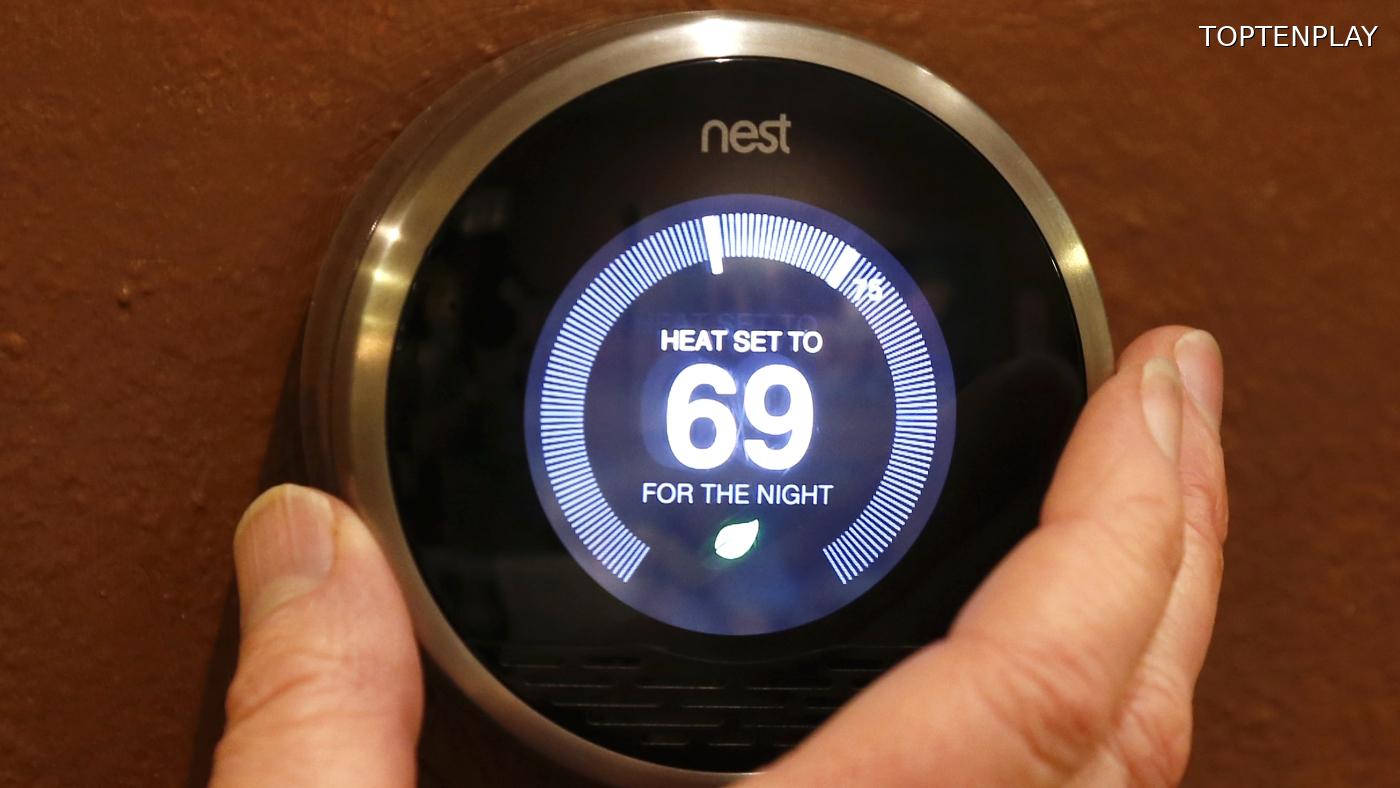
Image d’illustration © TopTenPlay EN
Proven Alternatives: The Consensus Strategies That Actually Work
Beyond the industry’s contradictory precooling guidance lies a remarkable area of universal agreement—practical cooling strategies that every major utility and energy expert consistently endorses as genuinely effective cost-reduction methods.
Professor Barber advocates a targeted approach that abandons whole-home cooling fantasies. Instead of battling physics and utility bills simultaneously, he recommends concentrating cool air in select areas using fans, programmable AC units, or window units, then strategically occupying those zones during peak hours when temperatures and energy costs spike highest.
This zone-cooling strategy aligns with five universally endorsed efficiency measures that transcend corporate politics and conflicting utility advice. Regular air filter replacement emerges as the most overlooked yet impactful intervention, with clogged filters forcing systems to work exponentially harder while delivering diminished results.
Sealing drafts around windows and doors using caulk or weather-stripping provides immediate relief, while timing large appliances like ovens, dishwashers, and dryers for off-peak hours prevents unnecessary heat generation during the day’s most expensive energy periods.
The simplest consensus recommendation requires zero investment: keeping curtains and blinds closed during peak hours blocks solar heat gain that forces air conditioning systems into overdrive.
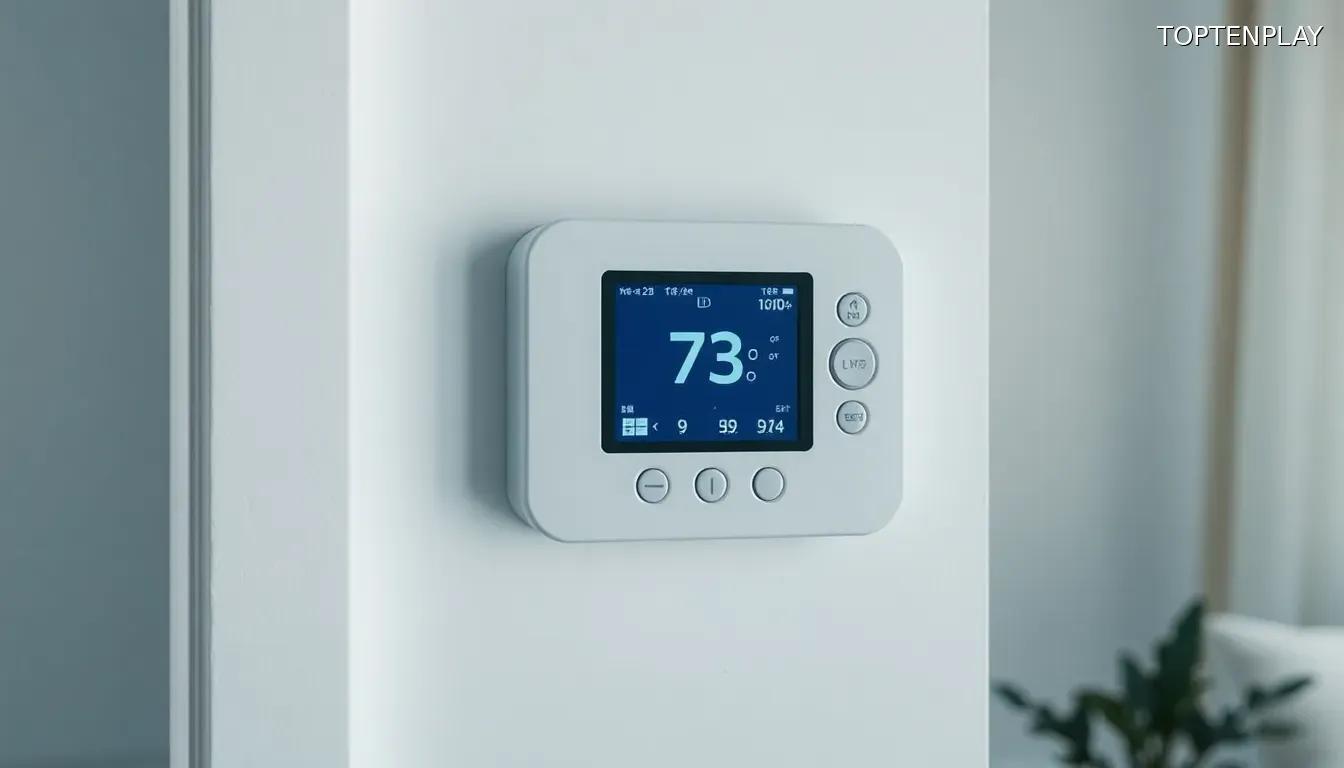
Most significantly, programming thermostats to increase temperatures when homes are unoccupied delivers guaranteed savings without the controversial energy spikes and potential system strain associated with extreme precooling methods.
These industry-backed alternatives offer homeowners reliable pathways to meaningful cost reduction without navigating conflicting corporate interests or risking equipment damage through untested extreme cooling strategies.