Image d’illustration © TopTenPlay EN
Understanding The Roof Rat Threat
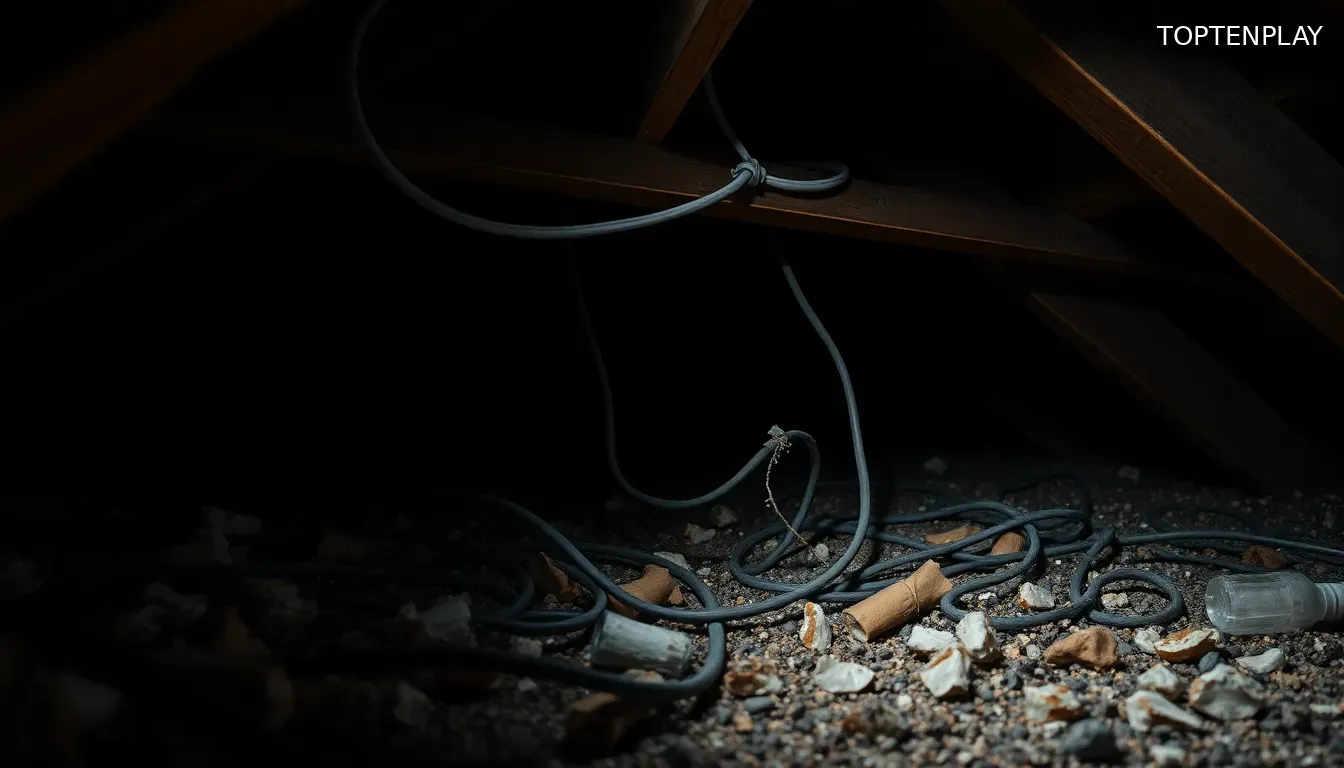
The scratching and scurrying sounds echoing through your walls at night aren’t just unsettling—they’re warning signs of a potentially devastating invasion. Roof rats have quietly established themselves as one of the most destructive household pests, targeting the hidden spaces where homeowners least expect them: ceilings, attics, and interior walls.
These nocturnal invaders don’t simply coexist with your family. They systematically compromise your home’s infrastructure, gnawing through crucial electrical wires that power your house and even extending their destruction to vehicle wiring systems. The financial implications extend far beyond simple pest control, potentially reaching thousands in electrical repairs and fire hazards.
Detection often comes too late. By the time homeowners notice the telltale signs—scattered droppings, persistent urine odors, gnawed wood surfaces, mysterious grease stains along baseboards, or the unmistakable sounds of midnight movement—the problem has likely escalated beyond simple intervention.
The most alarming aspect of roof rat infestations lies in their rapid reproductive capacity. These pests breed frequently throughout the year, transforming a manageable situation into a full-scale household crisis within weeks. What begins as a single intruder can quickly multiply into dozens of rats establishing permanent residence in your most vulnerable spaces.
Perhaps most concerning is their remarkable ability to exploit microscopic vulnerabilities. Roof rats can infiltrate homes through openings as small as a quarter-inch, turning seemingly secure properties into accessible territory through gaps most homeowners never notice.
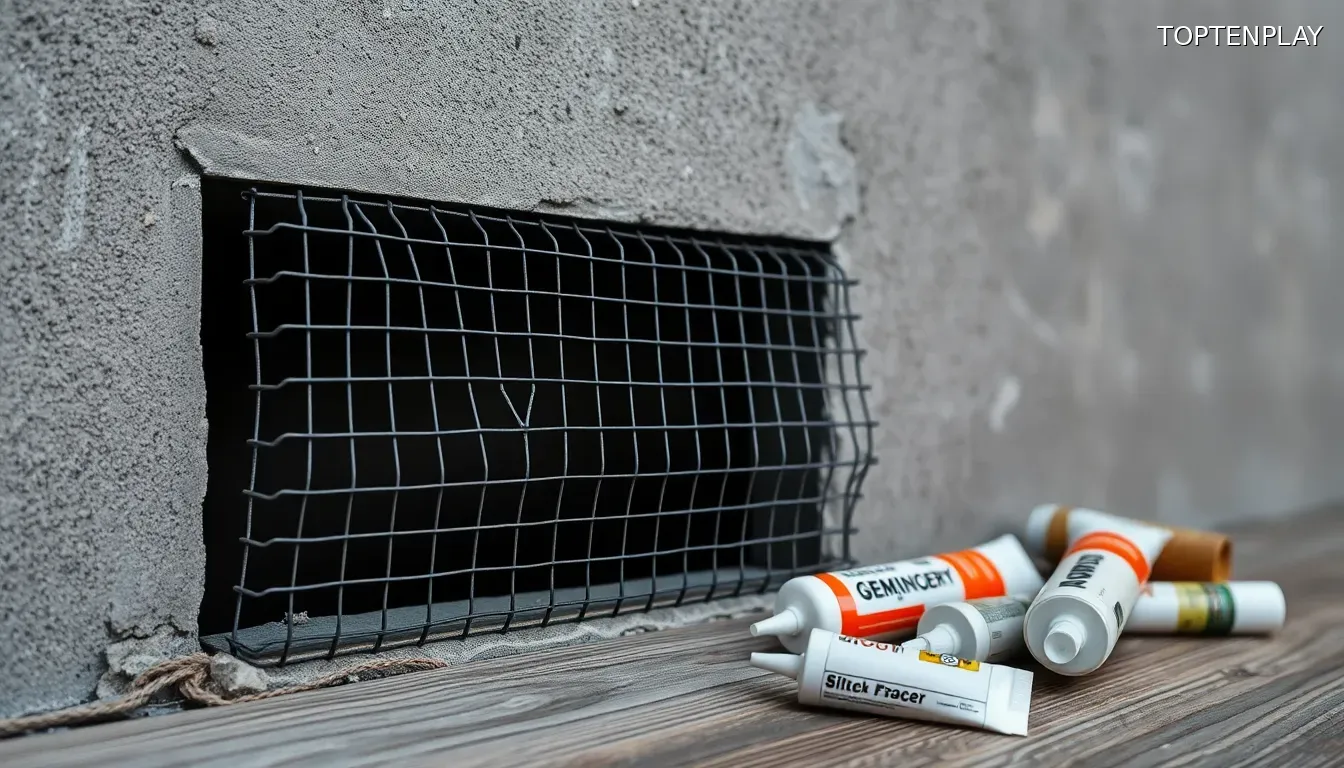
Image d’illustration © TopTenPlay EN
Fortifying Your Home’s Defenses
Those quarter-inch vulnerabilities that roof rats exploit so effectively become your first line of defense when properly addressed. Professional pest control specialists have identified steel mesh and high-quality caulk as the most effective materials for creating impenetrable barriers against these persistent invaders.
The strategic sealing process requires methodical attention to every potential entry point. Focus particularly on pipes, ventilation systems, and roof-line gaps where rats typically establish their primary access routes. Window screens demand immediate replacement if damaged—even minor tears provide sufficient access for determined rodents seeking interior shelter.
However, physical barriers represent only half the defensive equation. Roof rats’ exceptional climbing abilities transform nearby vegetation into natural highways leading directly to your home’s vulnerable areas. Tree branches extending within six feet of your structure essentially provide these pests with a VIP entrance to your property.
The elimination strategy extends beyond simple trimming. Exterior vines, overgrown shrubbery pressed against walls, and decorative landscaping create perfect concealment for rat movement and nesting preparation. Woodpiles stacked against exterior walls particularly attract these pests, offering both shelter and gnawing material for nest construction.
Property owners who systematically remove these hiding opportunities—thinning dense bushes, clearing accumulated leaf debris, and relocating storage materials away from the home’s perimeter—create an environment where roof rats lose their tactical advantages. The goal involves transforming your property from an inviting habitat into an exposed, inhospitable territory that forces these nocturnal invaders to seek easier targets elsewhere.

Image d’illustration © TopTenPlay EN
Eliminating Indoor Attractants
While exterior defenses create the foundation of rat prevention, the battle’s decisive phase occurs within your home’s interior spaces. Even the most sophisticated barrier systems prove futile when indoor environments unknowingly broadcast welcome signals to these opportunistic invaders through readily available food sources and nesting materials.
Professional pest management research confirms that sanitation represents the most critical factor in preventing roof rat infestations. The seemingly innocent habit of leaving dry goods—cereals, grains, snacks—in their original packaging creates an irresistible buffet for these persistent pests. Airtight containers eliminate this vulnerability entirely, transforming accessible food sources into impenetrable fortresses.
The overnight landscape of your home reveals countless opportunities for rat attraction. Dirty dishes abandoned in sinks, pet food bowls left accessible after feeding time, and improperly secured trash containers essentially function as engraved invitations for nocturnal visitors. Pet owners particularly underestimate this risk—unfinished kibble left overnight provides not just sustenance but encouragement for rats to establish permanent residence.
Cardboard materials present an often-overlooked threat, serving dual purposes as both food source and premium nesting material. These items, along with accumulated paper waste and storage boxes, provide everything roof rats need to construct comfortable colonies within your walls.
The elimination strategy requires systematic removal of anything offering nourishment or construction materials. Trash containers demand tight-fitting lids and frequent emptying, while storage areas need regular decluttering to eliminate potential nesting opportunities that transform minor rat encounters into full-scale domestic invasions.
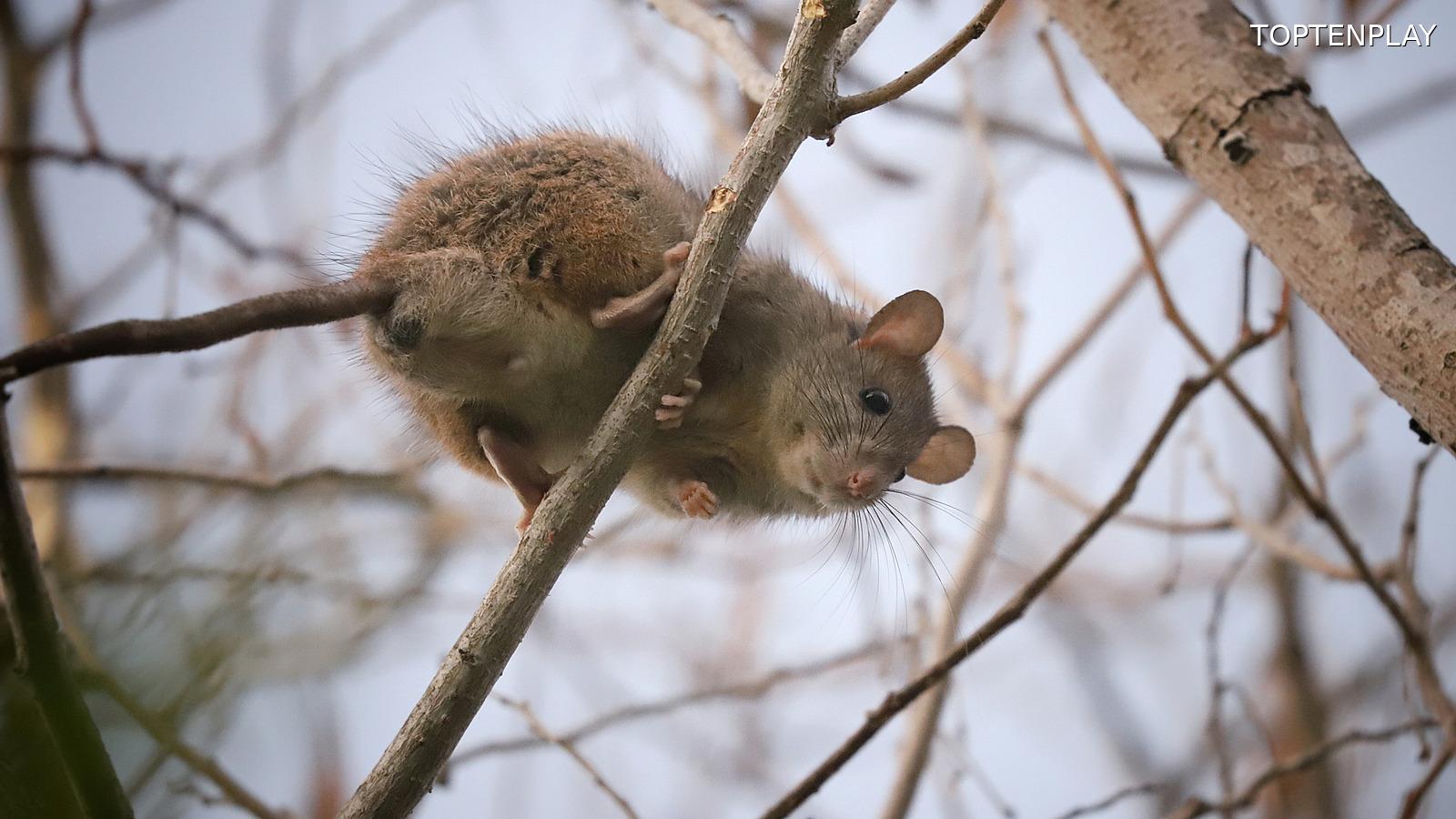
Image d’illustration © TopTenPlay EN
Securing The Outdoor Environment
The perimeter beyond your home’s walls presents the final battleground in comprehensive roof rat prevention, where seemingly innocent yard features transform into strategic resources for these adaptable invaders. Professional pest research reveals that outdoor environments often provide the initial attraction that draws rats toward residential properties, making exterior sanitation as crucial as indoor vigilance.
Bird feeders, while delighting homeowners with avian visitors, create unintended consequences when seeds scatter across lawns and storage remains accessible. Sealed containers for birdseed and garden supplies eliminate these inadvertent feeding stations that rats exploit with remarkable efficiency. The challenge extends beyond intentional bird feeding—fallen fruit from trees and accumulated pet waste provide unexpected nourishment sources that sustain rat populations indefinitely.
Water availability represents an equally critical factor in rat attraction patterns. These persistent pests demonstrate remarkable resourcefulness in locating hydration sources, readily consuming from bird baths, puddles, leaky outdoor pipes, and even pet water bowls left on patios overnight. The elimination of standing water throughout your property removes this essential survival resource.
Complete outdoor sanitation requires systematic attention to every potential attractant. Prompt removal of fallen fruit, immediate cleanup of pet waste, and regular inspection for water accumulation around foundations, gutters, and irrigation systems create an inhospitable environment for roof rat establishment.
This comprehensive approach—combining interior cleanliness with rigorous exterior management—establishes multiple defense layers that professional pest experts recognize as the most effective prevention strategy, transforming your property from a welcoming habitat into an unwelcoming fortress these opportunistic pests will bypass entirely.