Image d’illustration © TopTenPlay EN
The Critical HVAC Mistake That’s Costing You Money During Heat Waves
When mercury soars and desperation sets in, homeowners across the country make the same costly error: cranking their thermostat down to arctic levels, believing this will deliver faster relief. This widespread misconception is not only ineffective but actively damaging both your HVAC system and your wallet.
Shawn Giffin, virtual HVAC expert at Frontdoor, reveals the harsh reality behind this common practice. Excessively lowering your thermostat temperature « will not make the system work any faster or harder than it normally would, » Giffin warns. Instead, this desperate measure « forces the AC to never turn off, which can cause a plethora of problems. »
The financial impact is immediate and brutal. Rather than achieving rapid cooling, your system enters a relentless cycle where « the system will just run longer, raising the electric bill, until it achieves that temperature. » For many homeowners, this translates to energy bills that double or triple during peak summer months.
The cruel irony? Your AC unit operates at the same consistent pace regardless of your thermostat setting. Setting it to 65°F instead of 75°F doesn’t unlock some hidden turbo mode – it simply condemns your system to run continuously until that impossible target is reached. This mechanical reality transforms what should be temporary relief into a financial nightmare that extends far beyond the heat wave itself.
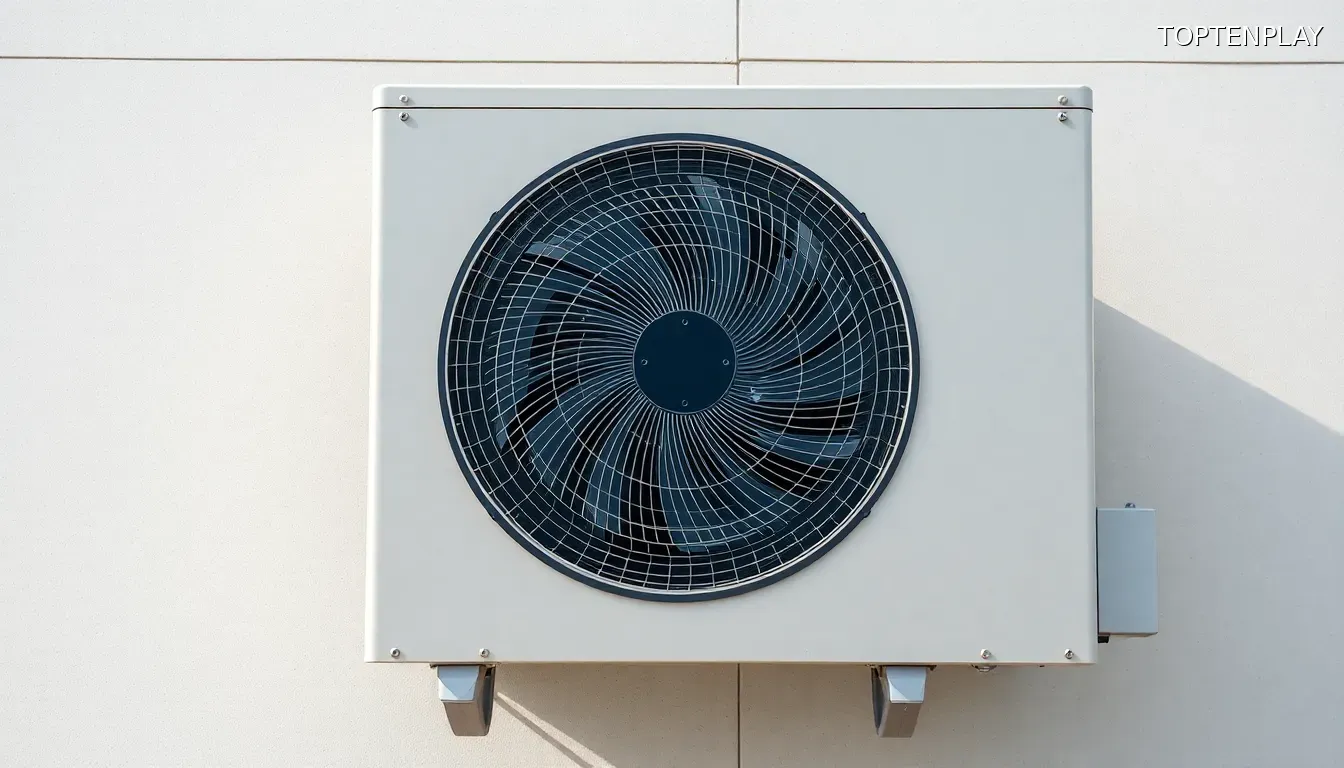
Image d’illustration © TopTenPlay EN
The Hidden Mechanics Behind Your AC’s Struggle
Understanding why this costly mistake persists requires examining the fundamental mechanics that govern every air conditioning system. The process itself is deceptively simple, yet this simplicity becomes a trap when homeowners set unrealistic temperature targets.
Your indoor unit functions like a relentless heat extraction machine, continuously removing warm air from your home. This captured heat gets absorbed and neutralized by a specialized compound called refrigerant, which then releases the newly cooled air back into your interior spaces. The system monitors progress through your thermostat, waiting for confirmation that the target temperature has been achieved.
Here’s where the financial trap springs shut. When that target temperature is impossible to reach or maintain during extreme heat, the system simply repeats these steps endlessly. The refrigerant cycle continues operating, the compressor keeps running, and the energy meter spins without pause.
This mechanical reality explains why desperate homeowners find themselves caught in an expensive loop. The AC doesn’t recognize that outdoor temperatures are too extreme for a 65°F interior target – it only knows to keep trying. Each cycle consumes the same amount of energy whether it’s the first attempt or the hundredth.
The result is a system trapped in perpetual motion, burning through electricity while chasing an impossible goal. Your energy bill climbs not because the system is working harder, but because it’s working longer – potentially 24 hours straight during severe heat waves.
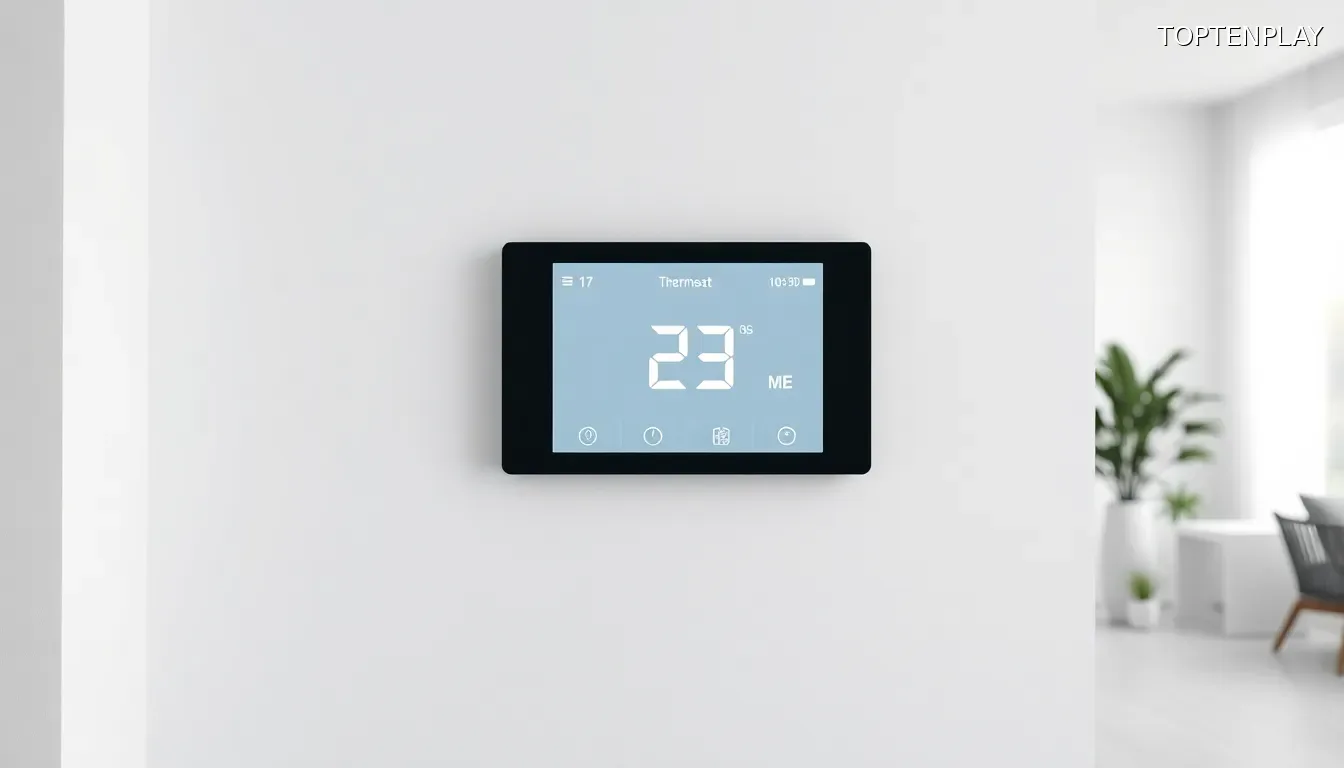
Image d’illustration © TopTenPlay EN
The Dangerous Temperature Threshold That Could Destroy Your System
This relentless pursuit of impossible temperatures doesn’t just drain your wallet – it can permanently cripple your entire HVAC system. The mechanical trap that ensnares desperate homeowners during heat waves conceals an even more devastating consequence lurking just below the surface.
Setting your thermostat below 69 degrees Fahrenheit during extreme heat creates a critical system failure risk that could cost thousands to repair. According to HVAC expert Shawn Giffin’s exclusive warning to House Digest, this seemingly innocent temperature adjustment « runs the risk of the unit freezing over, » triggering a cascade of potentially catastrophic equipment damage.
The freezing threat targets your system’s most vital and expensive component: the compressor. This device functions as the heart of your entire HVAC operation, pressurizing refrigerant and increasing its temperature so the cooling compound can circulate through the system and generate that refreshing chilled air flowing from your vents.
When this crucial component fails, homeowners face the costliest repair scenario in residential HVAC maintenance. Compressor replacement represents the most expensive single repair, often requiring complete system overhaul.
The solution reveals itself in Giffin’s research-backed recommendation: maintain your thermostat at 78 degrees Fahrenheit during heat waves. This temperature strikes the optimal balance between achievable cooling performance and system protection, allowing your AC to reach its target without excessive energy consumption or the lurking danger of freeze-over damage.
This seemingly modest adjustment transforms your approach from system destroyer to system protector.
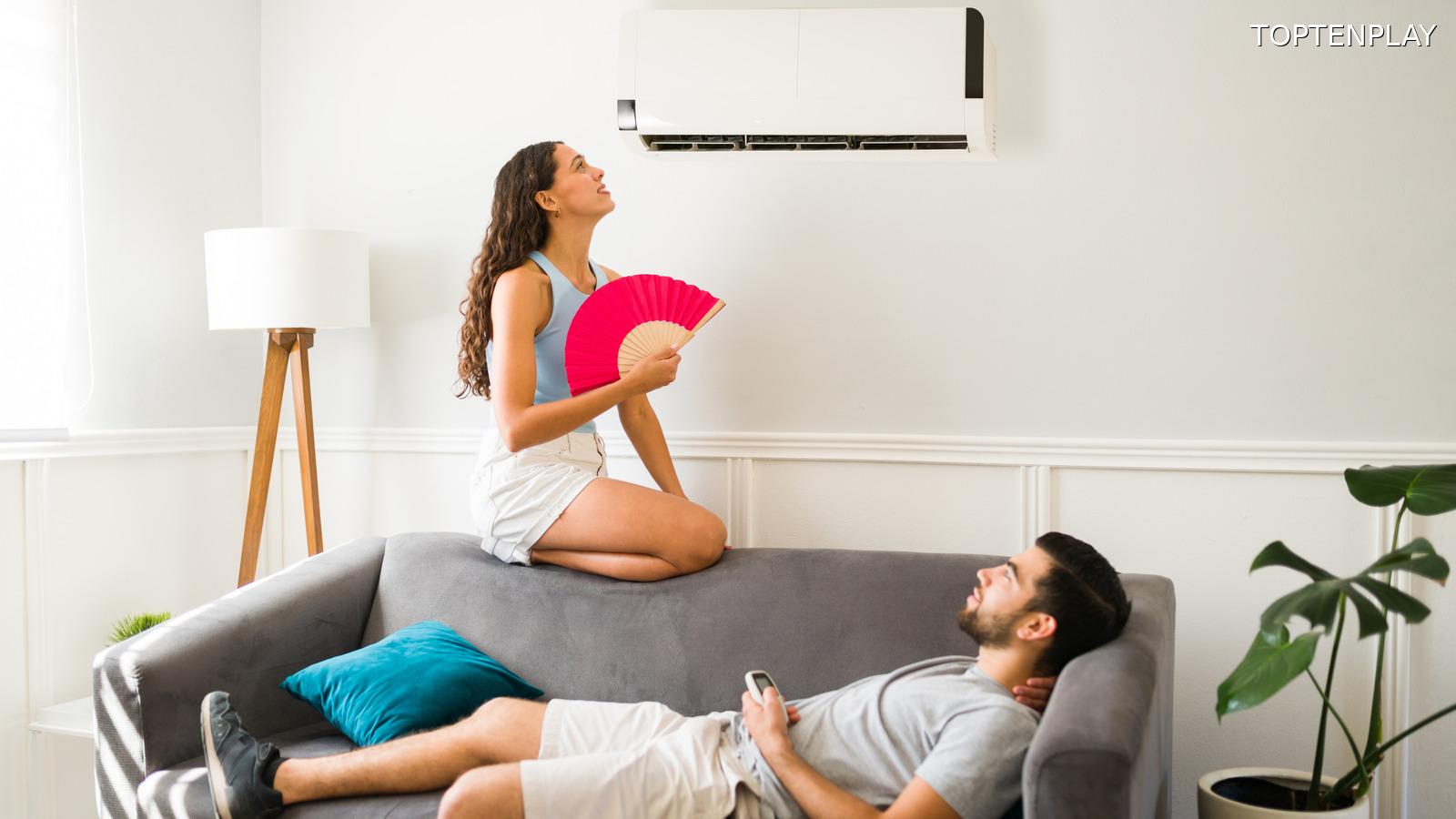
Image d’illustration © TopTenPlay EN
Professional Strategies For Maximum Cooling Efficiency
Beyond this protective temperature threshold lies a comprehensive strategy that transforms your heat wave survival from costly desperation into calculated efficiency. The same expert insights that revealed the 78-degree safety zone unlock additional tactics that maximize your system’s performance while minimizing energy devastation.
The counterintuitive truth about heat wave AC management: never shut your system off completely, even when leaving for extended periods. According to Giffin’s exclusive guidance to House Digest, complete shutdown creates a thermal rebound effect that punishes returning homeowners with excessive energy consumption. « Turning the system off completely may raise your indoor temperature and make it very hot, so your AC will have to run for a very long time to bring it back down to your desired temperature, » the expert revealed.
The strategic alternative transforms absence into opportunity. When planning full-day departures, set your thermostat to 85 degrees Fahrenheit – a setting that maintains reasonable temperature control without straining equipment or demanding excessive energy to restore comfort upon return.
The 78-degree comfort zone may still feel insufficient during extreme heat waves, but supplementary cooling tactics fill the gap without system stress. Giffin recommends « using blinds and curtains to block the sun from heating the home through windows and keeping doors and windows closed as much as possible. »
Year-round preparation ensures peak performance when temperatures soar. Regular maintenance with clean air filters prevents your AC from working harder and potentially freezing up, according to Giffin’s preventive approach.
These professional strategies transform your heat wave response from reactive panic into proactive system optimization.