Image d’illustration © TopTenPlay EN
Understanding The Natural Color Changes In Fiber Optic Grass
That alarming moment when your pristine fiber optic grass suddenly shifts from vibrant green to yellow or brown often sends gardeners into panic mode. However, this dramatic transformation rarely signals plant death—instead, it reveals one of nature’s most misunderstood seasonal rhythms.
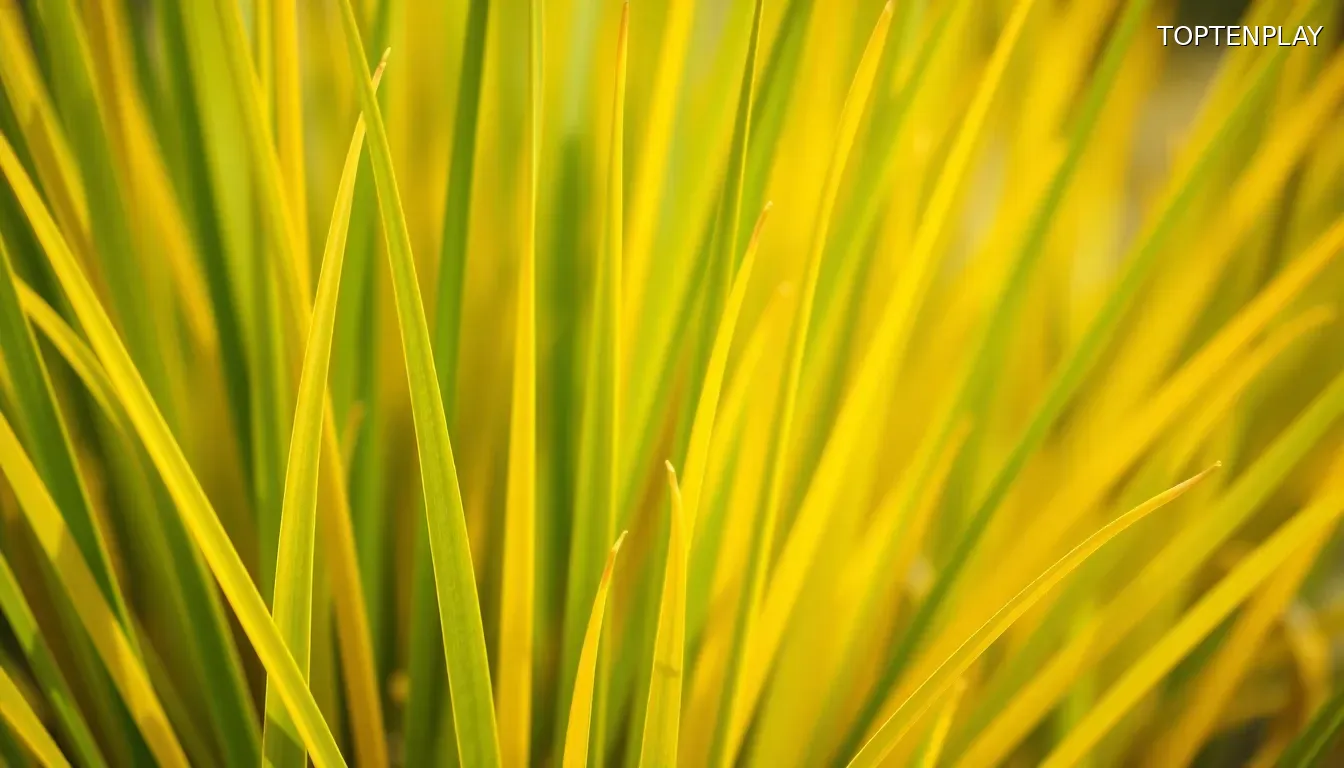
Isolepis cernua, despite its grass-like appearance, is actually a sedge that follows predictable dormancy patterns. When temperatures drop or daylight hours shorten in fall, this ornamental beauty naturally fades from bright green to yellow or tan hues. This color shift represents the plant’s preparation for its dormant phase, a completely normal lifecycle response that mirrors many ornamental species.
The plant’s native origins across the North American west coast, New Zealand, Australia, and the British Isles explain its sophisticated adaptation to seasonal changes. « This is all part of its normal lifecycle, » gardening experts confirm, emphasizing that sudden color shifts often indicate healthy plant behavior rather than distress.
Understanding USDA Hardiness Zones 8 to 11 becomes crucial here—fiber optic grass simply cannot tolerate freezing conditions. When autumn arrives, the plant’s cellular processes naturally slow down, redirecting energy from foliage maintenance to root survival. This biological wisdom has evolved over millennia, ensuring the sedge’s survival through challenging seasonal transitions.
Rather than rushing toward emergency interventions, observant gardeners should first assess timing and environmental conditions. The distinction between natural dormancy and stress-induced color changes often determines whether your intervention helps or hinders the plant’s recovery process.
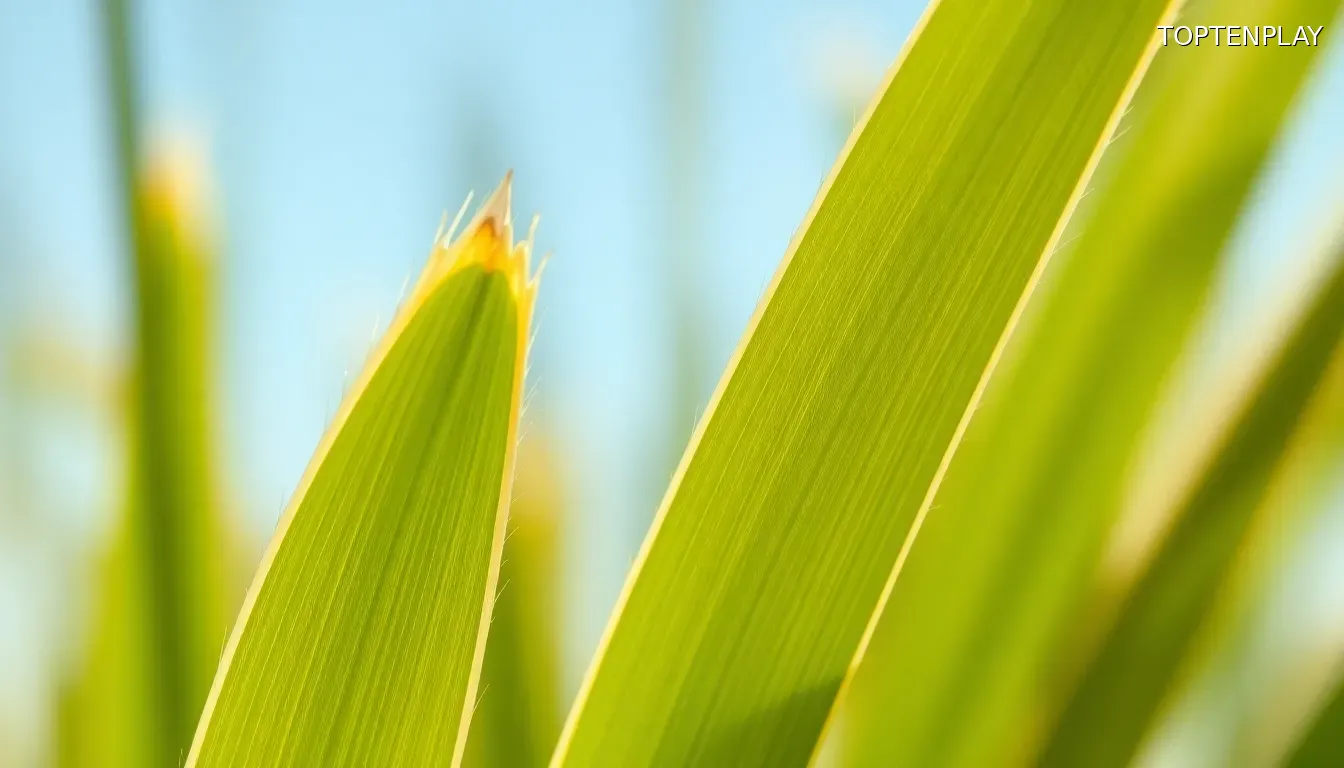
Image d’illustration © TopTenPlay EN
Environmental Stress Factors Behind Unexpected Color Changes
While seasonal dormancy explains autumn yellowing, sudden color shifts during warm growing months reveal an entirely different story. When your fiber optic grass browns unexpectedly in spring or summer, environmental stress factors become the primary culprits behind this dramatic transformation.
Underwatering emerges as the most common trigger for premature browning. Unlike seasonal dormancy that progresses gradually, moisture stress creates rapid, patchy discoloration that typically starts at leaf tips before spreading downward. The plant’s fine, hair-like blades simply cannot maintain their vibrant appearance when soil moisture drops below critical thresholds.
Excessive sun exposure compounds these moisture challenges, particularly in regions where fiber optic grass receives direct afternoon sunlight. « If the color change happens outside the usual season or comes on suddenly during warmer months, your grass may be reacting to dry soil rather than dropping temperatures, » gardening specialists note. This distinction proves crucial for proper diagnosis.
Fast-draining soil amplifies moisture stress by allowing water to escape before roots can adequately absorb it. Container-grown specimens face particular vulnerability, as their confined root systems cannot seek moisture from surrounding areas. The sedge’s native preference for consistently moist conditions makes it especially sensitive to these environmental fluctuations.
Recognizing these stress-induced changes requires careful observation of timing and growth patterns. Unlike natural seasonal transitions that affect entire plants uniformly, environmental stress typically creates irregular browning patterns that develop rapidly during active growing periods. This diagnostic knowledge becomes essential for implementing appropriate recovery strategies.
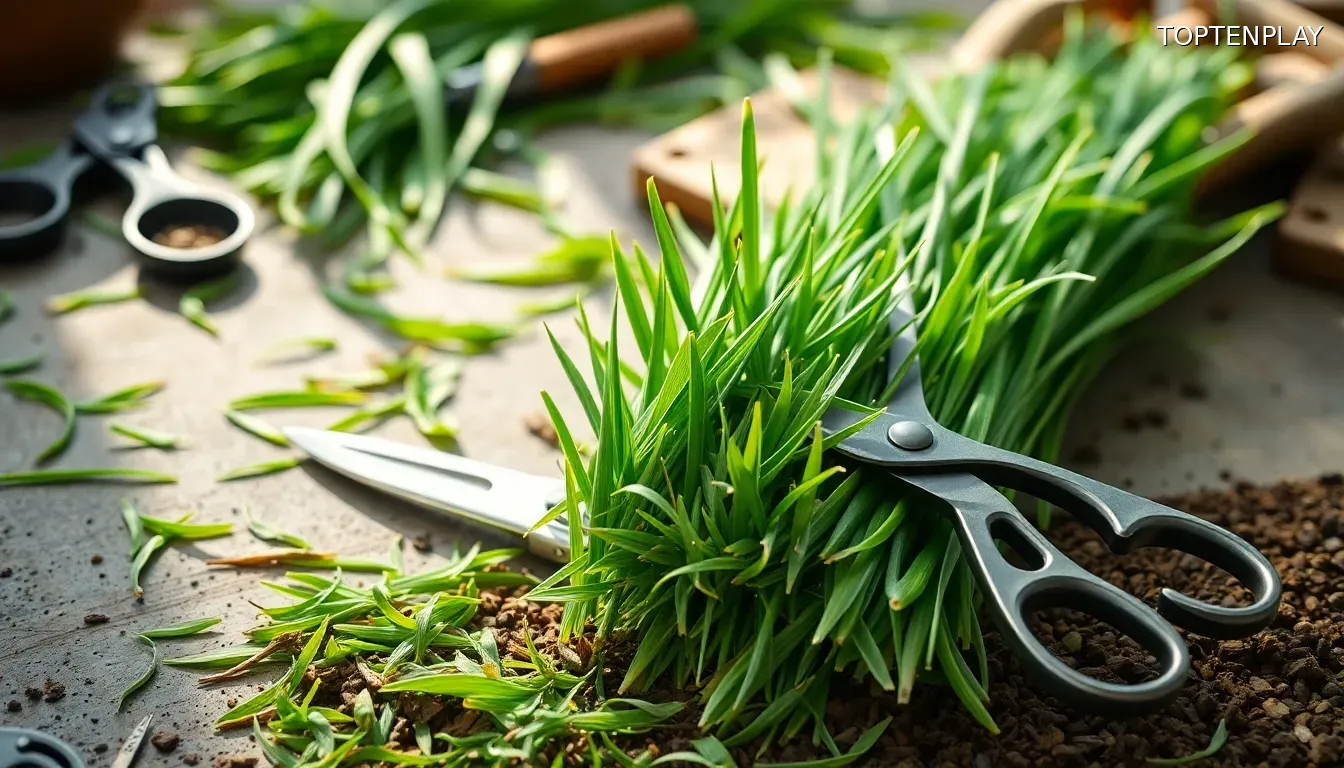
Image d’illustration © TopTenPlay EN
Practical Recovery And Maintenance Techniques
Once environmental stress factors have been identified, implementing targeted recovery strategies can restore your fiber optic grass to its former vibrancy. The restoration process requires precise timing and systematic care adjustments that address the plant’s immediate needs while supporting long-term health.
Strategic trimming forms the foundation of effective recovery. Begin by carefully removing any brown or yellow tips using clean, sharp scissors, cutting just above healthy green tissue. This selective pruning redirects the plant’s energy toward producing fresh growth rather than maintaining damaged foliage. However, timing proves critical here: « Avoid pruning it in colder seasons because its growth is limited, » experts emphasize.
Moisture management requires immediate attention following trimming. Water thoroughly until excess drains from container bottoms, then maintain consistent soil moisture without creating waterlogged conditions. The goal involves achieving that sweet spot where soil remains evenly moist rather than alternating between drought and saturation.
For container-grown specimens facing persistent stress, complete submersion offers additional benefits beyond hydration. Submerging containers in water-filled basins not only ensures thorough moisture penetration but also provides protection against mealybug infestations that often target stressed plants.
During colder months, indoor placement becomes essential for maintaining plant vitality. Position containers near sunny windows while placing them atop shallow water trays to maintain ambient humidity. This controlled environment supports the plant through dormancy while preparing it for vigorous spring growth.
These systematic recovery techniques create optimal conditions for exploring broader ornamental grass combinations that enhance overall garden design impact.
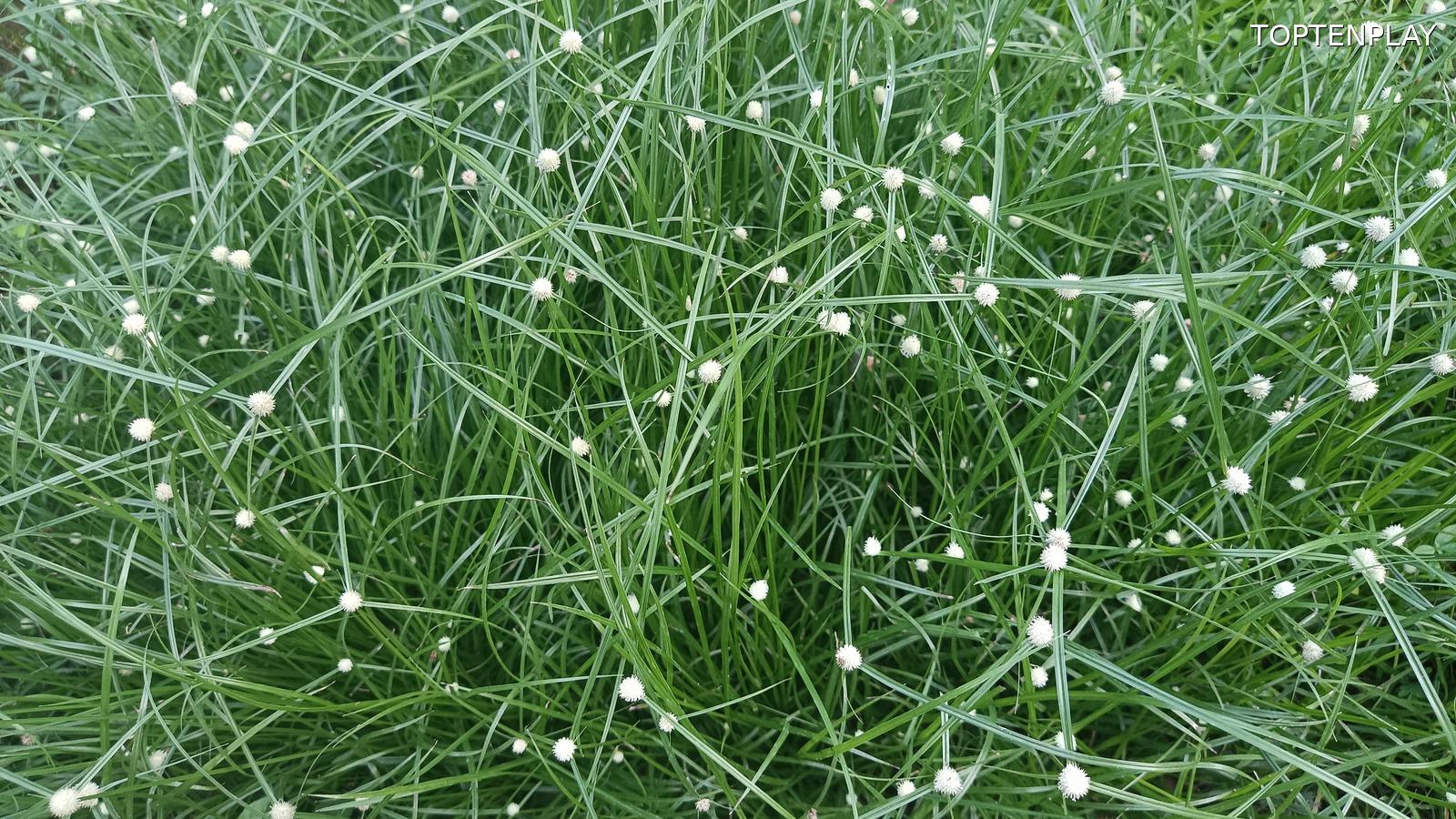
Image d’illustration © TopTenPlay EN
Expanding Your Ornamental Grass Garden Design
With your fiber optic grass restored to optimal health, the enhanced growing conditions you’ve established create the perfect foundation for incorporating complementary ornamental grasses that amplify your landscape’s visual impact. Rather than treating these plants as mere background elements, strategic placement transforms them into stunning focal points that command attention throughout the seasons.
Purple millet (Pennisetum glaucum) delivers bold, dramatic impact with its striking plumes that create vertical interest and rich color contrast against fiber optic grass’s delicate texture. This commanding presence works particularly well as a backdrop element, allowing the finer details of your restored sedge to shine while providing substantial visual weight.
Cloud grass (Agrostis nebulosa) offers an entirely different aesthetic approach, contributing soft, airy textures that brighten corners while maintaining the gentle, flowing movement that makes fiber optic grass so appealing. Its ethereal quality creates seamless transitions between different garden areas without overwhelming delicate neighboring plants.
The key to successful ornamental grass design lies in layered heights that build visual depth and complexity. Position taller specimens like purple millet toward the back, medium-height plants in the middle ground, and lower-growing varieties such as fiber optic grass along borders or pathway edges.
These grasses thrive in full or partial sun conditions while requiring minimal maintenance once established, offering year-round visual interest that evolves with changing seasons. The strategic combination of varied textures, heights, and growth patterns creates vibrant, textured spaces that prove ornamental grasses deserve center stage positioning rather than relegation to supporting roles in garden compositions.