Image d’illustration © TopTenPlay EN
The Critical Pre-Decluttering Step Most People Skip
When clutter overwhelms your living space, the natural instinct is to dive straight into organizing. Yet this reactive approach often transforms a manageable task into a frustrating ordeal that leaves homeowners second-guessing every decision.
The game-changing strategy most people overlook? Sorting everything into groups before making a single organizing choice. This counterintuitive method prevents the most common decluttering mistake: making uninformed decisions about individual items.
Here’s why jumping straight into cleanup backfires. You spot an item and think you have a better version stored elsewhere, so you toss it. Later, you discover that superior version doesn’t exist. Conversely, you might keep multiple identical items, believing each serves a unique purpose, only to realize you’ve perpetuated the clutter problem.
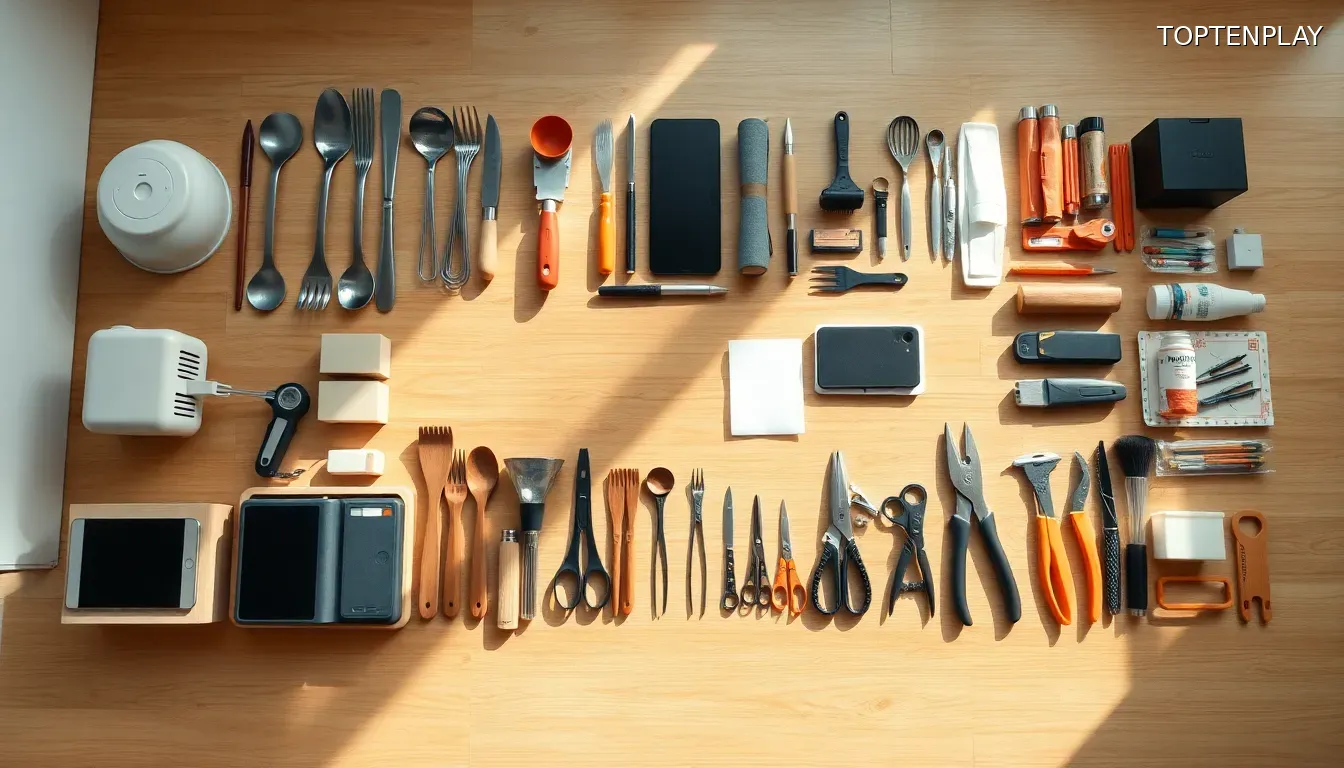
By consolidating similar items first, you create a complete inventory of each category. This bird’s-eye view enables confident decisions about what stays, what goes, and what gets donated. You’ll see every tool, every cleaning supply, every craft material spread before you—eliminating guesswork and regret.
The approach works because informed decisions require complete information. Rather than organizing one random item at a time, you’re making strategic choices based on your actual inventory, not assumptions about what you own.
This systematic front-loading transforms chaotic cleanup into methodical organization, where every choice is backed by concrete evidence rather than uncertain memory.
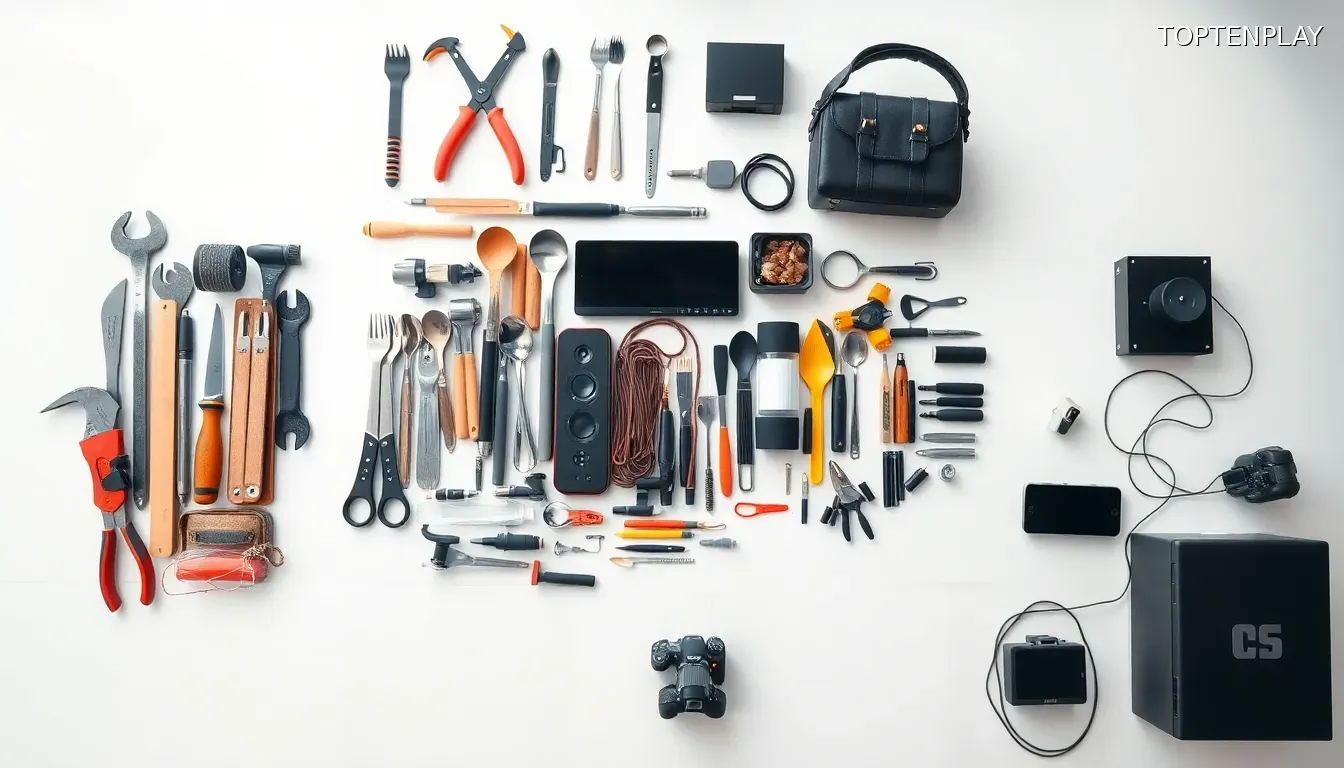
Image d’illustration © TopTenPlay EN
Why The Grouping Method Eliminates Decluttering Mistakes
This evidence-based approach directly addresses the psychological traps that sabotage traditional decluttering efforts. Without complete visibility, homeowners fall victim to decision-making blind spots that create more chaos than clarity.
Consider the classic scenario: you’re clearing a storage closet and find an old power drill. Assuming you have a newer model in the garage, you toss it. Three weeks later, you need that drill for a project, only to discover the “better version” was actually broken and discarded years ago. This costly mistake stems from making decisions with incomplete information.
The grouping method eliminates such errors by forcing you to confront your actual inventory. When every tool, every kitchen gadget, every electronic device sits before you simultaneously, the truth becomes undeniable. You’ll immediately spot the three identical phone chargers you’ve been keeping “just in case,” or realize that expensive kitchen appliance you thought you owned was actually borrowed and returned months ago.
This comprehensive visibility prevents both overconsumption and premature disposal. Instead of keeping five mediocre versions of the same item, you can confidently select the best one and release the rest. Rather than discarding something you think is redundant, you’ll discover it’s actually your only functional version.
The method transforms decluttering from guesswork into strategic decision-making. Each choice becomes deliberate rather than reactionary, based on complete evidence rather than faulty assumptions about what lurks in forgotten corners of your home.
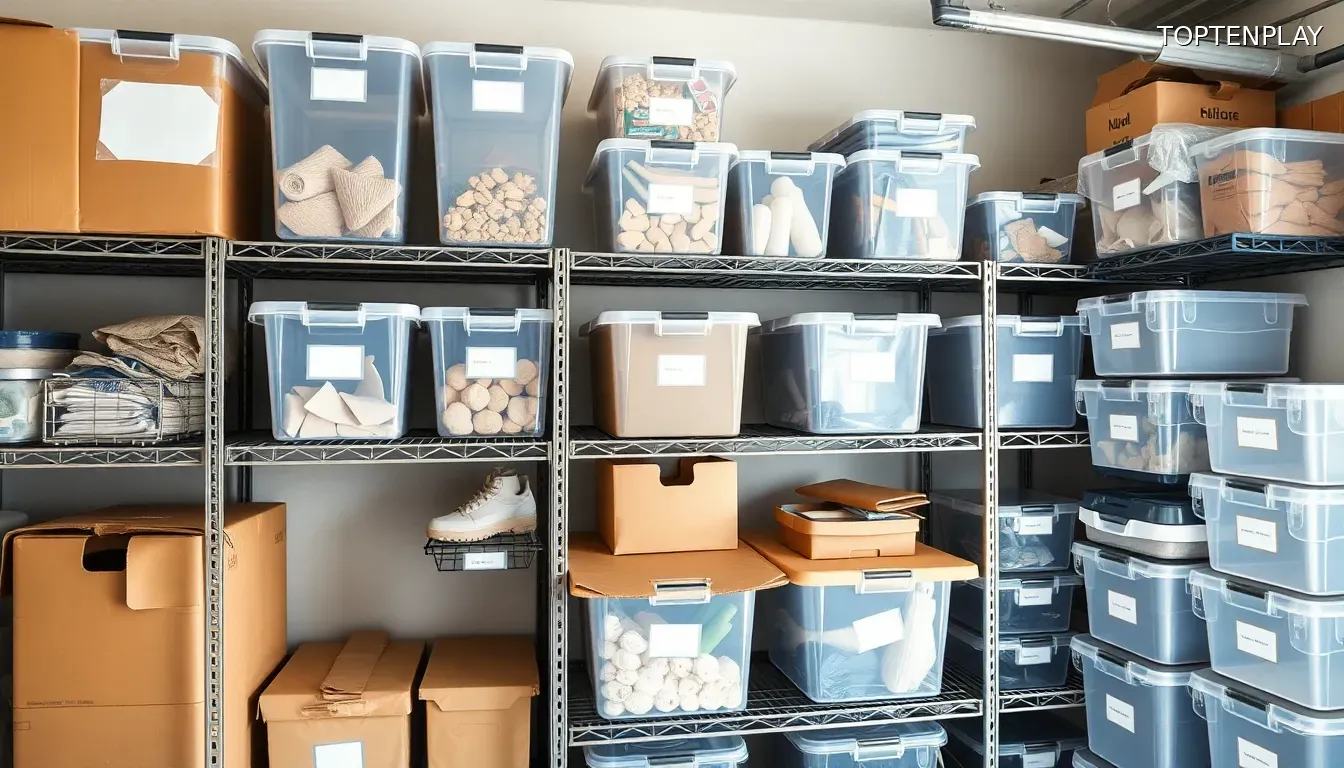
Image d’illustration © TopTenPlay EN
The Practical Implementation Strategy For Home Organization
Strategic decision-making requires the right tools and systematic execution. Professional organizers rely on a simple yet powerful toolkit that transforms chaotic spaces into categorized clarity: clear storage bins and removable labels like Post-it notes or painter’s tape.
The methodology starts broad, then narrows. When tackling a garage, establish primary categories first: tools, cleaning supplies, craft materials, and sports gear. Each grouping gets its dedicated container, creating visual boundaries that prevent category creep. A crucial addition is the “miscellaneous” pile—a temporary holding zone for oddball items that resist easy classification.
This systematic approach prevents the paralysis that strikes when confronting truly eclectic collections. Rather than stalling over whether that old extension cord belongs with tools or electronics, toss it in miscellaneous and maintain momentum through the main categories.
Container selection reveals your intentions. Clear organizer tubs signal permanence—items you’re keeping deserve visibility and easy access. These transparent vessels work beautifully on shelves or in closets, offering both organization and immediate identification of contents.
Conversely, cheap cardboard boxes serve as way stations for departure. Items destined for donation or sale don’t warrant investment in premium storage. The disposable nature of cardboard boxes psychologically reinforces the temporary status of their contents.
This dual-container strategy transforms sorting from overwhelming chaos into manageable systems, where every item finds its appropriate pathway toward either permanent organization or purposeful departure.

Image d’illustration © TopTenPlay EN
Transforming Stressful Cleanup Into Relaxed Organization Sessions
This systematic transformation creates an unexpected bonus: complete temporal freedom. Once items rest safely in their categorized containers, the frantic urgency that typically accompanies decluttering sessions simply evaporates. No longer bound by the pressure to make instant decisions while standing amid chaos, you control the pace entirely.
The beauty emerges in the flexibility. Grab a box of sorted items and settle onto the couch with your favorite show. The preliminary categorization work is complete—now comes the leisurely decision-making phase. Will that collection of duplicate kitchen gadgets stay or go? You can contemplate each piece without time pressure, making thoughtful choices rather than hasty ones.
Meanwhile, unconquered boxes wait patiently out of sight, stored in closets or spare rooms until you’re ready. This staging approach eliminates the visual overwhelm that derails many decluttering attempts. Instead of confronting mountains of unsorted belongings, you face manageable, pre-categorized collections.
The psychological shift proves profound. Traditional decluttering feels like crisis management—everything must be addressed immediately, decisions made under pressure, energy depleted rapidly. This method flips the script entirely. Organization becomes entertainment, not endurance.
You might tackle one box during weekend morning coffee, another while catching up on podcasts. The boxes themselves become discrete projects rather than overwhelming commitments, each containing familiar items you’ve already visually processed once. This familiarity accelerates decision-making while reducing the mental fatigue that typically accompanies major cleanouts.