📌 These 7 Mouth Changes Could Signal Something Far More Serious Than You Think
Posted 29 November 2025 by: Admin
The Silent Threat: Why Oral Cancer Often Goes Unnoticed
A persistent sore in the mouth. A slightly discolored patch on the gum. A feeling of numbness that comes and goes. These small, seemingly insignificant changes are exactly what most people dismiss as temporary irritations—yet they may signal something far more dangerous lurking beneath the surface. Oral cancer develops silently, often progressing without obvious symptoms in its earliest stages, making it one of the most deceptive health threats facing millions worldwide.
The statistics paint a sobering picture, particularly in India, where the disease has become a public health crisis. Over 77,000 new cases are reported annually, accompanied by more than 52,000 deaths, positioning oral cancer among the country’s leading cancer-related causes of death. What makes this tragedy even more preventable is the reality that detection typically occurs only after the disease has already spread to lymph nodes or nearby tissues—a point where treatment becomes significantly more complex and survival rates plummet dramatically.
Age and lifestyle amplify vulnerability. People over 40, especially those who smoke or consume alcohol regularly, face substantially elevated risk. Yet denial remains powerful: individuals often attribute mouth discomfort to dental work, poor brushing, or minor injuries, postponing professional evaluation until symptoms become impossible to ignore.
This delay proves catastrophic. Early recognition transforms prognosis entirely, while late-stage discovery fundamentally changes treatment outcomes. The hidden nature of oral cancer—its ability to advance quietly while remaining invisible to the untrained eye—explains why awareness and regular screening represent the most powerful tools in prevention.
Danger Signals: 13 Warning Signs Your Mouth Is Sending You
While oral cancer’s deceptive nature allows it to progress undetected, the disease does leave traces—subtle messages your mouth sends long before the situation becomes critical. The challenge lies not in the absence of warning signs, but in recognizing them before they escalate into irreversible damage.
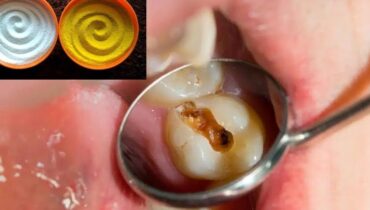
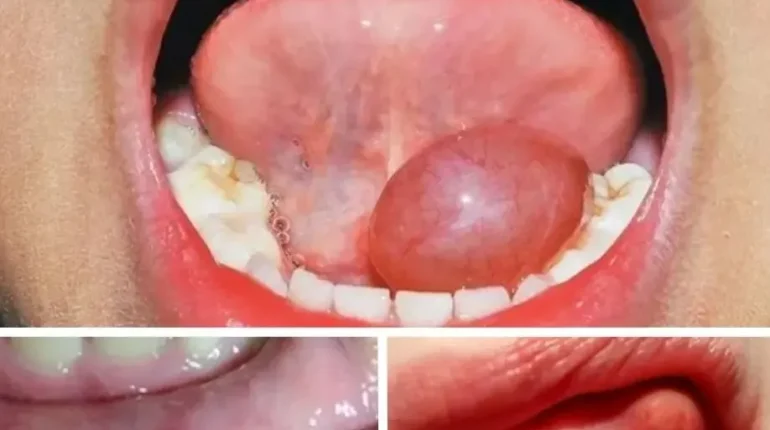
The symptoms vary widely depending on cancer’s location and progression stage. Persistent sores or blisters that refuse to heal beyond two weeks represent an immediate red flag, particularly when accompanied by red or white patches on lips, gums, or inner mouth tissue. Unexplained bleeding, loose teeth without clear dental causes, and swelling or lumps in the mouth or neck demand urgent professional evaluation. Beyond visible changes, pay attention to functional disruptions: difficulty or pain while chewing and swallowing, numbness spreading across lips, tongue, chin or neck, and chronic throat discomfort or hoarseness warrant specialist attention.
Additional warning signs include jaw pain or stiffness, ear pain unrelated to hearing issues, sudden unexplained weight loss, and a persistent dry mouth or burning sensation. Any symptom persisting longer than two weeks—particularly if unresponsive to routine treatments—requires immediate professional assessment rather than watchful waiting.
The critical insight here is timing. These signals exist precisely to provide early intervention opportunities, yet countless individuals minimize them as temporary annoyances. The window for effective treatment narrows dramatically once cancer progresses beyond its initial stages, transforming what might have been manageable through early intervention into a complex, life-threatening condition requiring aggressive therapy.
Awareness of these danger signals is your first defense mechanism against a disease that thrives on invisibility and delay.
The Deadly Combination: 80% Of Cases Linked To Preventable Factors
The grim reality underlying oral cancer’s prevalence cuts straight to personal choice. While warning signs demand attention, the root cause of most cases traces back to factors entirely within human control—yet millions continue down paths of unnecessary risk.
Tobacco consumption stands as the primary culprit, responsible for approximately 80% of all oral cancer cases. Smoking cigarettes, cigars, and pipes, alongside chewing tobacco, delivers carcinogenic compounds directly to oral tissues, creating an environment where malignant cells thrive. The risk intensifies exponentially when combined with excessive alcohol consumption, a synergistic effect that multiplies vulnerability far beyond what either substance alone would produce.
Beyond these dominant factors, other preventable exposures contribute significantly. HPV infection—certain strains linked particularly to cancers in the throat’s posterior regions—represents a risk factor increasingly relevant to younger populations. Poor oral hygiene permits chronic infections that compromise cellular defenses. Prolonged sun exposure without protection targets lip tissue. Dietary deficiencies, especially inadequate fruit and vegetable intake, strip away the body’s natural protective mechanisms.
Demographic patterns reveal additional vulnerability: men develop oral cancer at twice the rate of women, a disparity partly attributable to higher tobacco and alcohol consumption among male populations. Yet this statistical reality underscores an empowering truth—prevention strategies addressing modifiable risk factors could prevent the vast majority of diagnoses.
The disease is not inevitable. It is, fundamentally, a consequence of accumulated choices, each one an opportunity for intervention before irreversible damage occurs.
The Survival Gap: Early Detection Changes Everything
Yet prevention alone cannot rewrite the fate of those already diagnosed. What separates hope from despair, recovery from decline, is fundamentally a matter of timing—and the stark statistics leave no room for ambiguity.
The difference between early and late detection is catastrophic. When oral cancer is identified at its inception, survival rates reach 82%, offering genuine prospects for long-term recovery. This transforms dramatically with delay: late-stage diagnosis collapses survival rates to merely 27%, a chilling reminder that every week of postponement carries profound consequences. This gap—55 percentage points separating life trajectories—represents the most compelling argument for vigilance.
Regular screening proves transformative in this equation. Specialists can detect abnormalities long before symptoms appear, intercepting disease at stages when intervention remains most effective. Ideally, individuals should undergo oral check-ups at least twice yearly, even without apparent issues. This preventive discipline costs little compared to the cost of advanced treatment and the psychological toll of advanced-stage disease.
Treatment options have expanded considerably. Surgery removes tumors in early stages with minimal tissue damage. Radiation therapy and chemotherapy target remaining cells. Targeted therapies and immunotherapy represent newer approaches, designed to interfere with cancer growth mechanisms while reducing collateral damage to healthy tissue. A multidisciplinary approach—combining multiple modalities—yields optimal outcomes.
The pathway forward remains clear: awareness of warning signs, adherence to screening schedules, and immediate professional consultation upon suspicion transforms oral cancer from a silent killer into a manageable condition. The disease’s silence makes education paramount; its treatability makes complacency inexcusable.