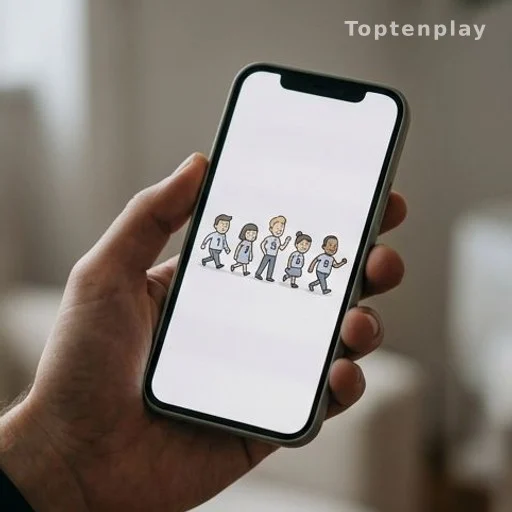
What sounds like a two-second task routinely turns into a five-minute staring contest. Users report scrutinising each baby’s forehead shape, smile and posture as though hunting for hidden evidence — only to find themselves questioning their own reasoning before they even tap an answer.
The moment a choice is made, the debate begins. Comments sections fill with people insisting the answer is obvious, only to discover that their equally confident peers have landed on a completely different number.
Baby number two wins — because it is the only one smiling
In the version of the challenge that has spread most widely, baby number two is designated the girl. The reasoning offered is straightforward: that baby is the only one displaying a visible smile and an openly cheerful expression.
The explanation suggests that the subconscious mind reacts to that positive emotional signal before any analytical process kicks in. According to the interpretation circulating alongside the trend, choosing number two supposedly marks someone as emotionally driven rather than detail-focused.
Many users, however, report picking a different number entirely — and expressing genuine surprise when they scroll down to find the stated answer. That gap between expectation and result is precisely what keeps the conversation going.
The personality profile attached to your answer — and why it feels so true
Once a user selects baby number two, the viral trend delivers a ready-made character portrait: deeply emotional, intuitive, warm, approachable, communicative, open-minded and highly instinctive. The profile claims these individuals trust gut feelings over overthinking and are skilled at reading other people’s emotions and body language.
The statements are flattering, relatable — and deliberately broad. That is not an accident. Psychologists identify this mechanism as the Barnum effect: the well-documented tendency to accept vague, universally applicable personality descriptions as uniquely personal insights.
The same principle powers horoscopes and fortune cookies. Phrases such as "you care about people," "you sometimes overanalyse situations" or "honesty matters to you" are constructed to resonate with virtually any reader, yet feel tailor-made when delivered as the result of a test just completed.