Image d’illustration © TopTenPlay EN
Steam Cleaning Marketing Claims Vs. Scientific Reality
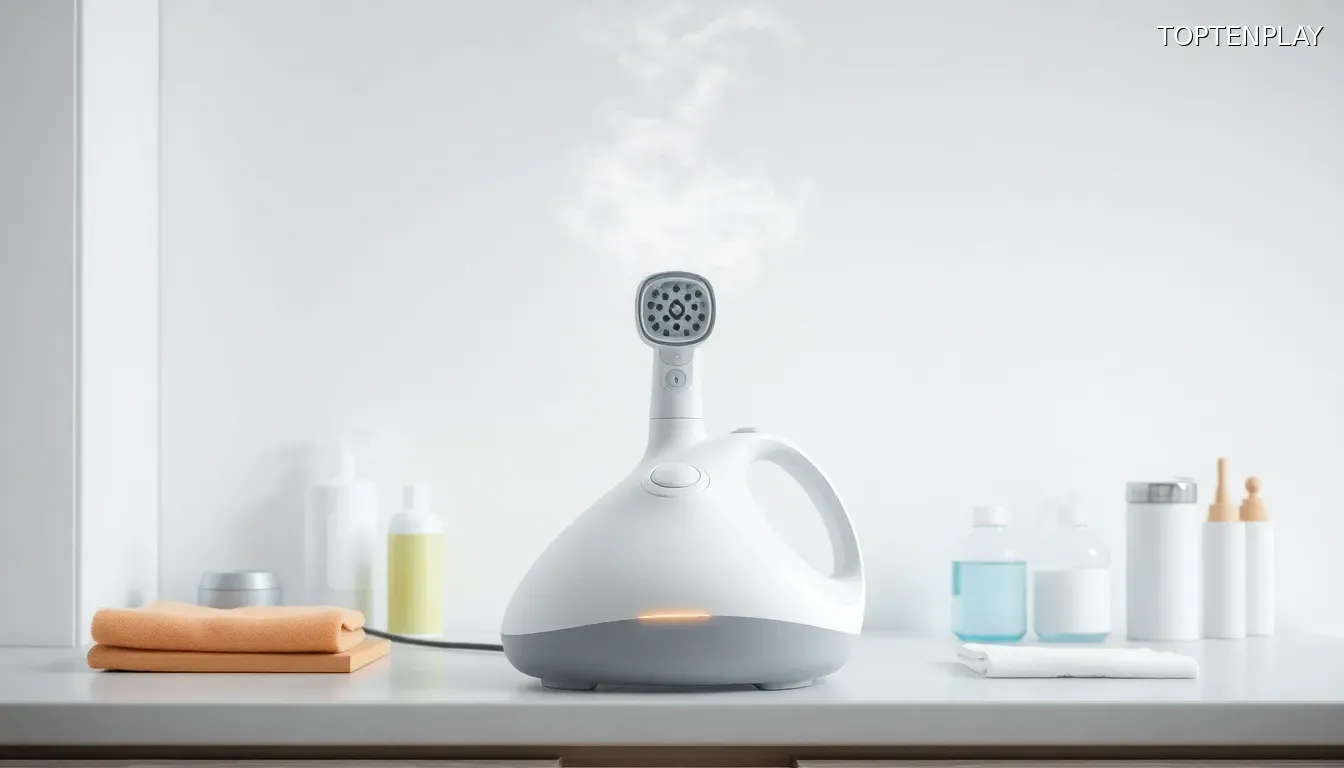
Steam cleaners flood the market with bold promises: natural disinfection without harmful chemicals, instant germ elimination, and effortless sanitization. But behind the glossy marketing campaigns lies a more complex scientific reality that manufacturers rarely emphasize in their promotional materials.
The fundamental claim holds scientific merit. Heat and steam do indeed kill viruses and bacteria when temperatures reach between 175 and 212 degrees Fahrenheit. Modern steam cleaners can achieve these critical temperature thresholds, transforming ordinary water into a potentially powerful disinfecting agent. This natural approach appeals to health-conscious consumers seeking chemical-free cleaning solutions for their countertops, floors, and household surfaces.
However, the gap between marketing promises and practical effectiveness reveals itself in the details. While steam cleaners market themselves as instant germ-killing solutions, the science demands more than simply pointing and steaming. The temperature must be sustained for extended periods to achieve true disinfection – a crucial requirement that transforms the seemingly effortless process into something far more demanding.
Studies confirm that steam cleaning can match the effectiveness of traditional two-step cleaning processes using water and commercial disinfectants. Yet this equivalence comes with conditions that challenge the convenience narrative promoted by manufacturers. The reality requires understanding precise technical specifications that determine whether your steam cleaning session actually eliminates household germs or merely provides surface-level cleaning.
Image d’illustration © TopTenPlay EN
The Technical Requirements For Effective Steam Disinfection
Those precise technical specifications reveal why steam cleaning’s disinfection capabilities remain largely theoretical for most household applications. Continuous contact for several minutes against each surface becomes the critical factor that manufacturers often downplay in their user manuals.
The process demands unwavering patience and physical endurance. You must press the steam cleaner firmly against contaminated surfaces, maintaining consistent contact while sustaining those crucial 175-212 degree temperatures. This isn’t the quick pass advertised in promotional videos – effective germ elimination requires methodical, prolonged contact that transforms a simple cleaning task into an intensive procedure.
Manufacturer specifications tell the complete story. Contact time requirements typically range from three to five minutes per square foot, depending on the specific pathogen and surface material. Temperature consistency proves equally demanding, as any drop below the critical threshold resets the disinfection timeline. The steam must penetrate surface irregularities while maintaining lethal heat levels throughout the entire contact period.
Research confirms that properly executed steam cleaning matches traditional two-step disinfection processes using water and commercial disinfectants. However, this equivalence hinges entirely on strict adherence to time and temperature protocols. Most users, seeking convenience over clinical precision, fall short of these requirements.
The gap between expectation and execution explains why steam cleaning often delivers cleaning results without true disinfection. Understanding these technical demands becomes essential for anyone serious about leveraging steam’s genuine antimicrobial potential rather than settling for surface-level cleanliness.
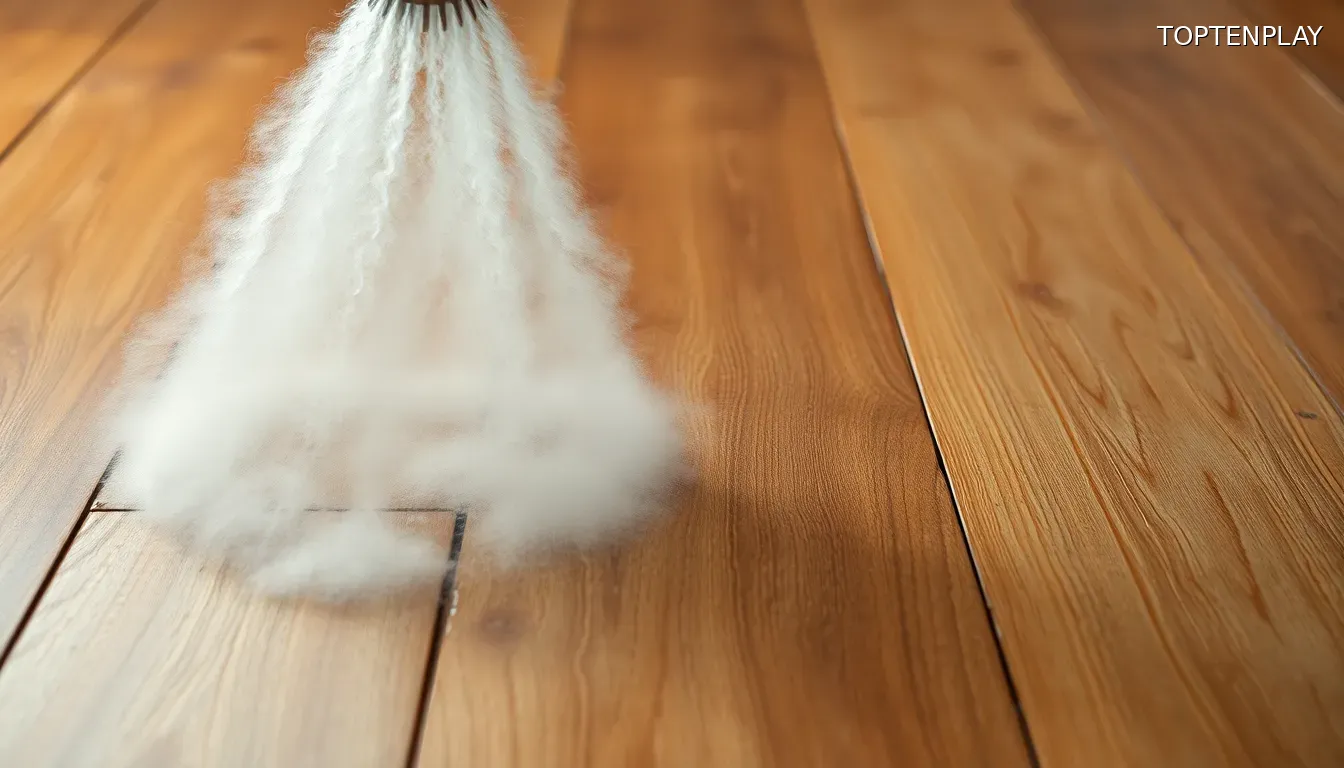
Image d’illustration © TopTenPlay EN
Hidden Risks And Surface Limitations Of Steam Cleaning
Those demanding protocols expose steam cleaning’s most dangerous liability: accidental burn risks from sustained high-temperature contact. The same 175-212 degree heat required for effective disinfection creates serious injury potential that marketing materials rarely address with appropriate urgency.
Professional cleaning services report frequent burn incidents when operators maintain the prolonged surface contact necessary for true disinfection. The concentrated steam easily penetrates clothing and causes severe tissue damage within seconds of direct skin contact. Home users, lacking protective equipment and training, face even greater exposure risks during those critical minutes of continuous application.
Surface compatibility presents equally serious concerns that manufacturers systematically understate. Wood, bamboo, laminate, and natural stone surfaces suffer irreversible damage from sustained steam exposure, rendering disinfection protocols completely counterproductive for most household applications.
Hardwood floors prove particularly vulnerable to moisture and heat combination. The steam penetrates protective finishes, causing warping, discoloration, and structural deterioration that requires expensive restoration or complete replacement. Natural stone countertops experience similar degradation as thermal shock creates microscopic fractures that expand over time.
These material restrictions eliminate steam disinfection from kitchens, bathrooms, and living areas where harmful pathogens typically concentrate. The surfaces requiring the most intensive disinfection often cannot withstand the technical requirements for effective steam cleaning.
This fundamental incompatibility between disinfection needs and surface preservation forces homeowners to seek alternative solutions that balance antimicrobial effectiveness with material safety considerations.
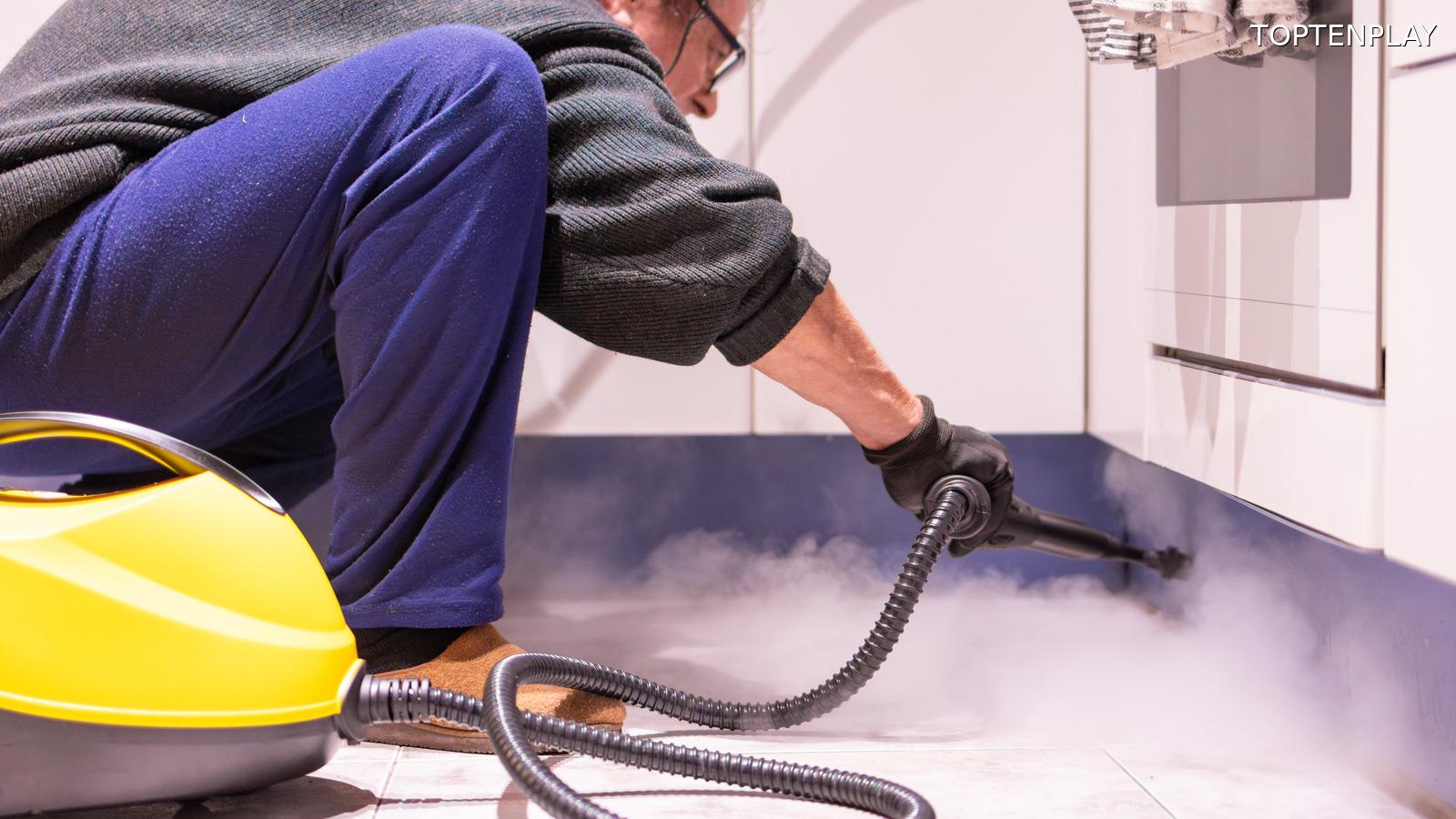
Image d’illustration © TopTenPlay EN
More Practical And Safer Disinfection Alternatives
Fortunately, proven disinfection methods deliver superior results without steam cleaning’s inherent risks and surface limitations. Diluted bleach solutions and EPA-registered disinfectants eliminate pathogens more efficiently while protecting valuable household surfaces from thermal damage.
EPA-registered disinfectants display clear registration numbers on product labels, indicating rigorous testing protocols that verify antimicrobial effectiveness. These solutions require only the contact time specified in manufacturer instructions—typically 30 seconds to 2 minutes—rather than the prolonged high-temperature exposure demanded by steam disinfection.
Professional cleaning studies consistently demonstrate that diluted bleach solutions achieve complete pathogen elimination across all surface types when applied according to label directions. The chemical action occurs at room temperature, eliminating burn risks while maintaining material integrity on wood, stone, and laminate surfaces that steam cleaning destroys.
Most remarkably, hot soapy water with thorough scrubbing removes the majority of everyday viruses and bacteria from household surfaces. This fundamental cleaning approach requires no specialized equipment, poses zero burn risks, and costs significantly less than steam cleaning systems.
The mechanical action of soap molecules disrupts pathogen cell walls while hot water temperature enhances antimicrobial effectiveness. Combined with proper scrubbing technique, this simple method achieves disinfection standards suitable for most residential applications within minutes rather than the extended protocols steam cleaning demands.
These conventional approaches deliver reliable pathogen control without compromising surface integrity or operator safety, making them far more practical for routine household disinfection than complex steam cleaning systems.