The underlying principle is the sum of squares formula, a standard result in combinatorics. It means the puzzle, however it is dressed up visually, is always a straightforward arithmetic problem once the correct framework is applied.
Common traps that inflate or deflate the count
The source material flags several traps that trip up even careful solvers. The most frequent is stopping after counting 1×1 squares — the 16-answer trap described above. But an equally common error runs in the opposite direction: overcounting by including shapes that are rectangles, not squares.
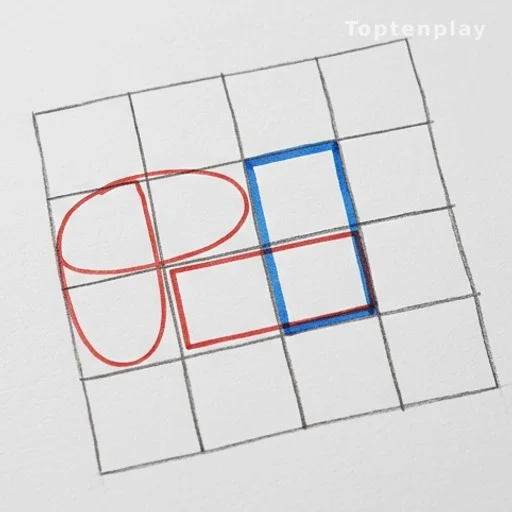
A 1×2 or 2×3 arrangement of cells is a rectangle, not a square, and must be excluded. The definition is strict: all four sides must be equal in length. Solvers who lose track of this constraint tend to overshoot the correct total significantly.
A third trap appears when the puzzle image includes additional lines — diagonals, internal dividers, or irregular subdivisions. These can introduce tilted squares (rotated 45 degrees) that are genuinely valid but easy to miss. When the grid is a clean, unadorned n×n structure, the formula applies directly. Any added complexity requires a fresh visual audit before the formula can be used.
The logical next step for anyone who has mastered the 4×4 case is to test the formula on larger grids: a 6×6 grid yields 91 squares, a 10×10 reaches 385. The open question for more advanced versions of the puzzle is how to handle non-square rectangular grids or grids with diagonal lines, where the formula no longer applies directly and a case-by-case geometric analysis becomes necessary.
Suggested Posts
Egg yolk color doesn’t reveal what you think about your chicken
A deep orange egg yolk is widely taken as a sign of a healthier chicken and a more nutritious egg. That assumption is largely…