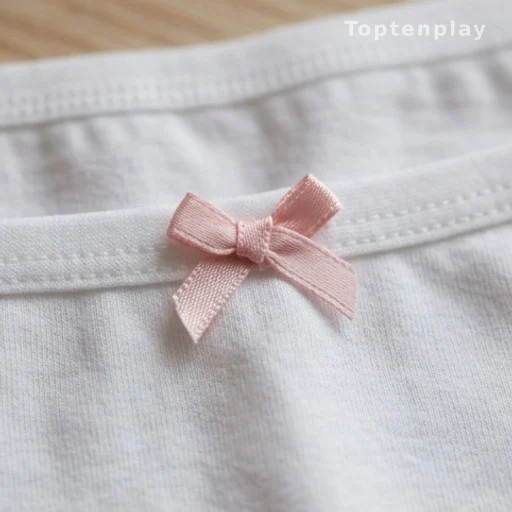
The detail remains relevant today, particularly in tagless designs where no label sits at the waistband. Dressing quickly in low light or after a gym session, a tiny bow at the center front removes any guesswork entirely.
This functional origin is easy to overlook precisely because the bow has since taken on a strong decorative identity. Yet the two purposes coexist in the same stitch: the bow works as a signal and as an embellishment at once.
Lace, satin and special occasions: when the bow elevates the design
Beyond its practical role, the bow adds what designers describe as a soft, feminine finishing touch. It works particularly well alongside delicate materials — lace, satin, embroidery — where a plain waistband would feel visually incomplete.
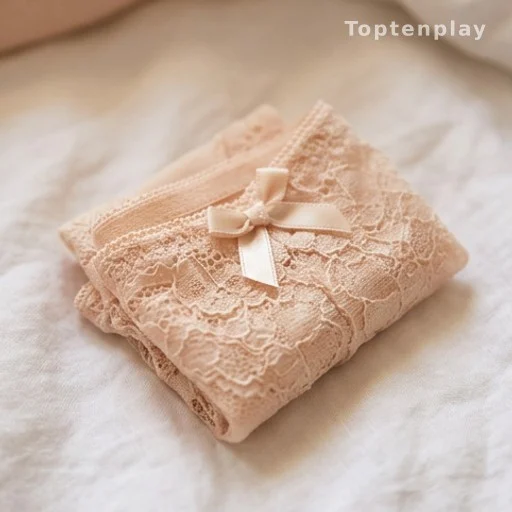
Panties with bows are frequently found in lingerie sets intended for special occasions. The detail signals that a piece was designed to be seen, not just worn, and contributes to an overall sense of elegance that plain everyday styles do not aim for.
For many wearers, that small bow also carries a personal dimension. Even when hidden under clothing, it can influence how someone feels about themselves — a quiet confidence built into the fabric. It is a detail that exists as much for the wearer as for the design itself.
A detail with deeper roots
The bow on women’s underwear predates modern labeling conventions. At a time when garments carried no interior tags, small visual markers like bows were practical tools built directly into the fabric. As the fashion industry evolved and labeling became standard, the bow shifted from functional necessity to design signature — though it never lost its orientation role entirely, particularly in today’s tagless styles.
Bow-free panties: the case for smooth, uninterrupted comfort
Not every underwear style calls for decoration. Sports panties, seamless cuts, and everyday basics are specifically engineered without bows — and for good reason. A small raised element at the waistband can create a visible line under fitted clothing or cause minor irritation during extended wear.
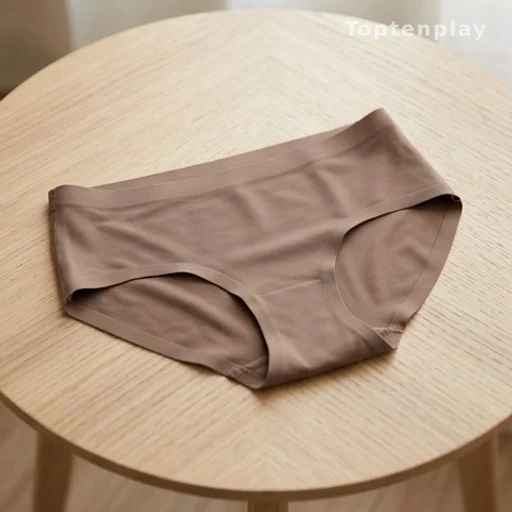
Seamless and athletic styles prioritize a flat, smooth profile. The absence of a bow is not an oversight but a deliberate design choice that improves breathability and reduces friction during workouts or long hours on the move.
Suggested Posts
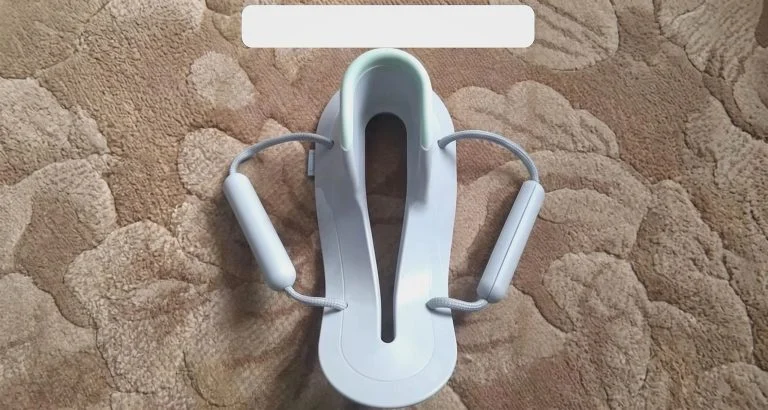
He found a mystery object in a drawer — the internet solved it
A man helping his girlfriend tidy her room came across an unfamiliar object tucked inside a drawer — two handles, a curved shape, and…