Image d’illustration © TopTenPlay EN
Why Your Grass Needs Extra Length During Extreme Heat
While humans instinctively reach for shorter haircuts when temperatures soar, your lawn operates on completely opposite principles. This counterintuitive truth reveals a critical misconception that’s damaging lawns across the country during heat waves.
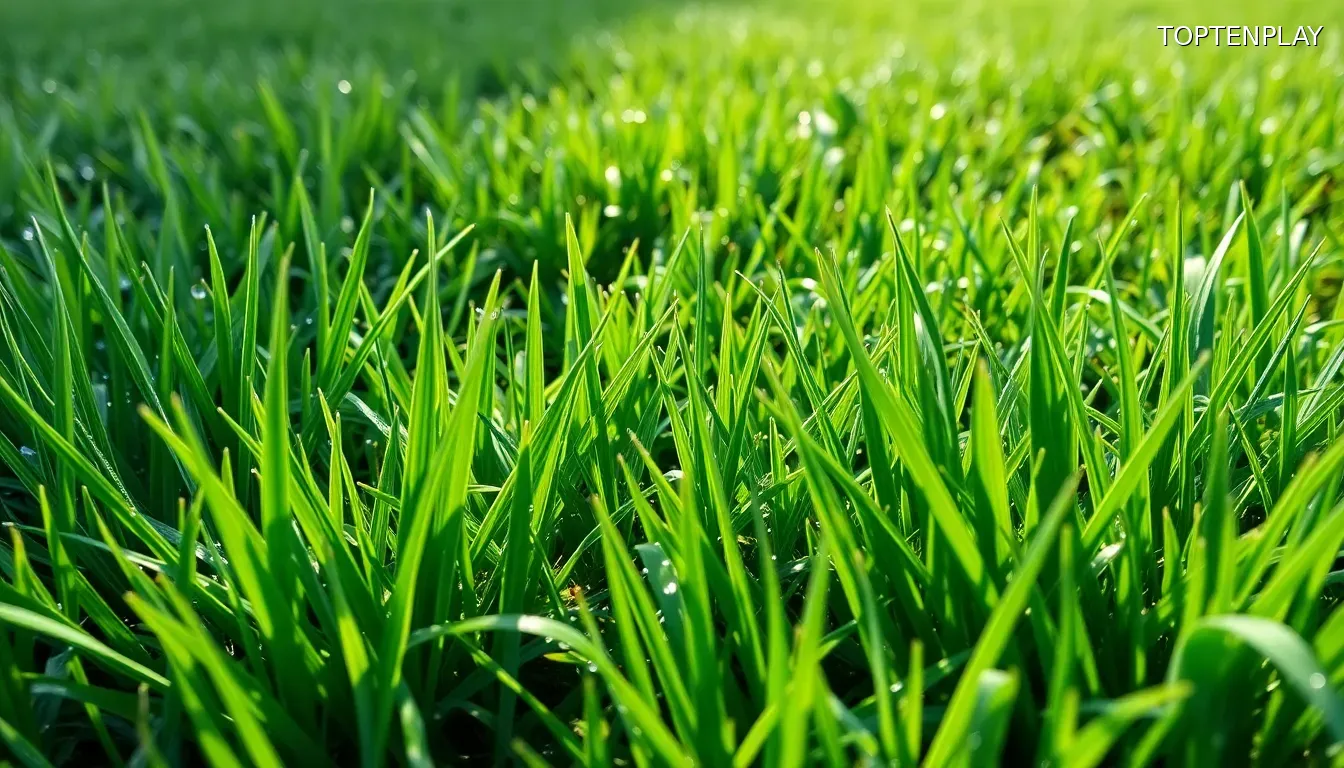
Professional lawn care specialists recommend maintaining grass at 3 to 4 inches during extreme heat – the exact opposite of what most homeowners assume. Set your mower cutting deck to 4 inches or higher when temperatures reach dangerous levels. Even more surprising: if your turf isn’t actively growing, skip mowing entirely, regardless of your usual schedule.
The science behind this revelation lies in plant biology fundamentals. Grass blades function as solar panels for photosynthesis, and shorter blades force already heat-stressed plants to work exponentially harder to capture sufficient light. This additional strain occurs precisely when your lawn can least afford the extra burden.
Extended grass length during heat waves triggers remarkable survival mechanisms. Longer blades naturally encourage deeper root development, creating an underground network capable of accessing water and nutrients from greater soil depths. This enhanced root system becomes your lawn’s lifeline during drought conditions.
The benefits extend beyond survival. Taller grass creates natural shade that suppresses weed seed germination, giving your established turf a competitive advantage when it’s most vulnerable. This biological strategy transforms what appears to be neglect into sophisticated lawn management that works with nature’s design rather than against it.
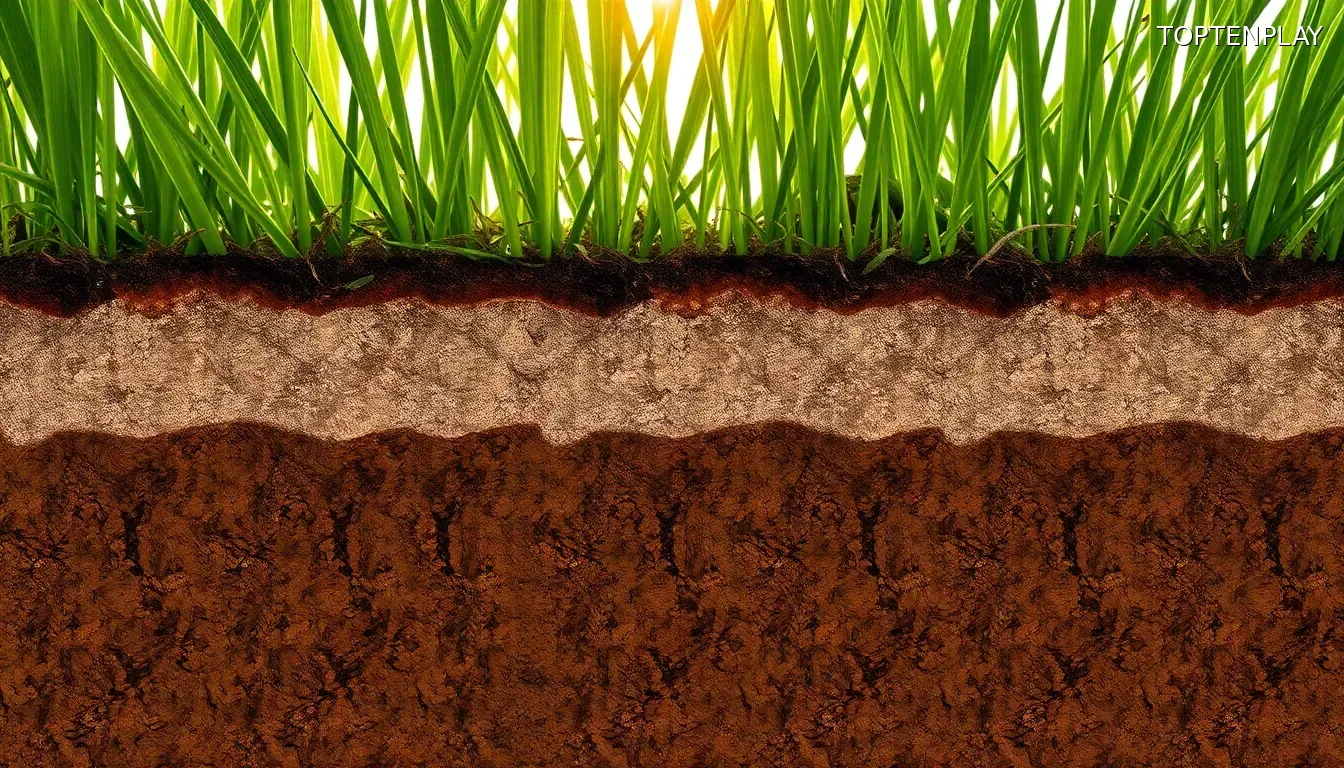
Image d’illustration © TopTenPlay EN
The Hidden Science Behind Heat-Stressed Grass Survival
These survival mechanisms operate through sophisticated biological processes that most homeowners never consider. The fundamental principle centers on photosynthesis – the critical process that keeps your lawn alive during extreme weather conditions.
Plants require adequate leaf surface area for efficient photosynthesis, and shorter grass blades create an immediate energy crisis. When you cut grass too short during a heat wave, each remaining blade must work exponentially harder to capture sufficient light and complete the photosynthesis process. This forced overexertion occurs precisely when heat stress has already compromised the plant’s cellular functions.
Longer grass blades trigger deeper root development through a remarkable biological response. As surface area increases above ground, the plant automatically extends its underground network to support the expanded canopy. These deeper roots access water reserves and nutrients that shorter-rooted grass simply cannot reach during drought conditions.
The enhanced water uptake capacity becomes your lawn’s primary defense mechanism. While neighboring lawns with cropped grass struggle with surface-level moisture depletion, properly maintained longer grass taps into soil moisture reserves several inches deeper. This biological advantage often means the difference between survival and complete lawn loss.
Beyond survival benefits, taller grass creates a natural weed suppression system. The extended blades cast shadows over the soil surface, preventing weed seeds from receiving the light exposure required for germination. This competitive advantage allows your established turf to maintain dominance precisely when heat stress makes it most vulnerable to invasive species.
This biological understanding transforms lawn care from guesswork into strategic plant management.
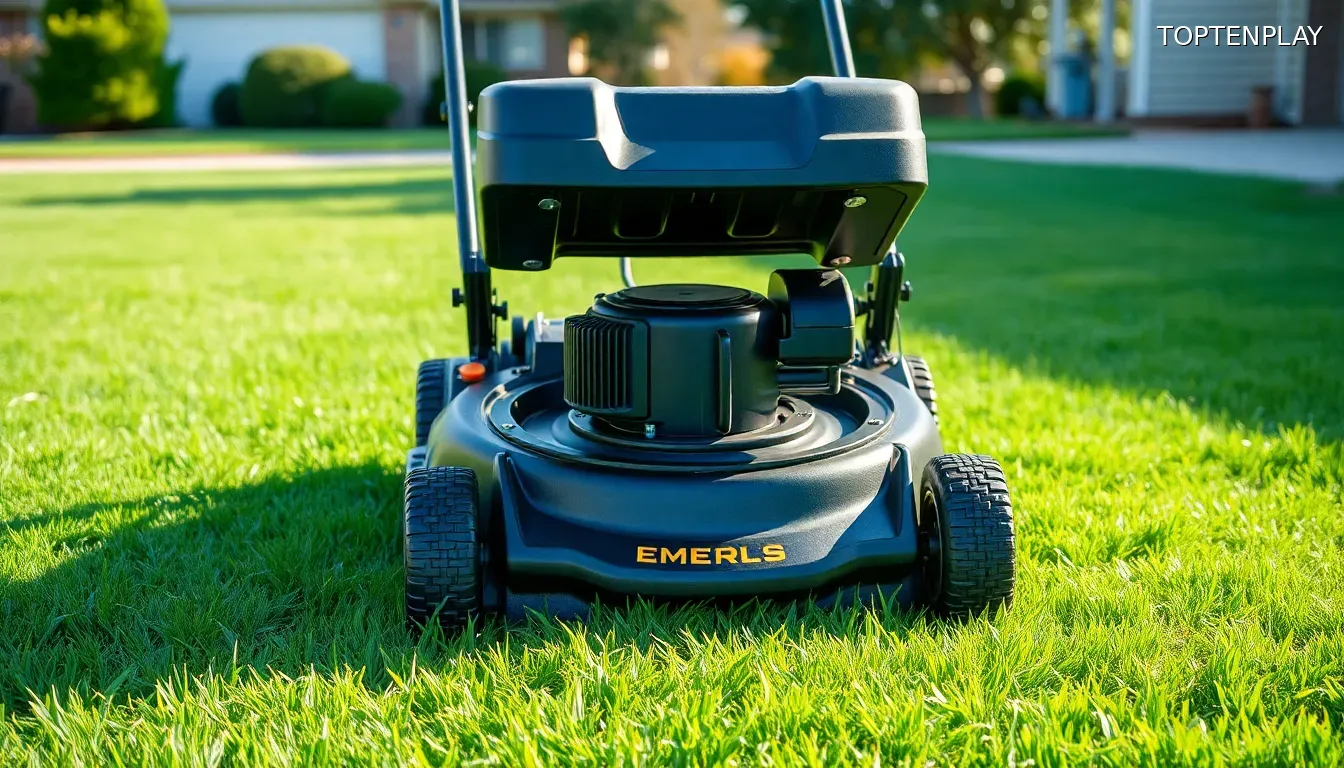
Image d’illustration © TopTenPlay EN
Critical Mowing Adjustments For Scorching Weather
Strategic plant management requires precise execution of fundamental mowing principles, especially when temperatures soar beyond normal ranges. The cornerstone technique involves adhering to the 1/3 cutting rule – never removing more than one-third of the grass blade length in a single session.
This rule becomes absolutely critical during heat waves because violating it exponentially increases stress on already compromised turf. Your lawn provides immediate visual feedback when you’ve exceeded safe cutting limits. If grass displays a white or grayish cast after mowing during extreme heat, you’ve cut too short and triggered cellular damage that extends recovery time significantly.
Sharp mower blades represent another non-negotiable requirement for heat wave lawn care. Dull blades tear grass rather than creating clean cuts, leaving jagged wounds that leak moisture and invite disease precisely when your turf lacks resources to heal effectively. These ragged cuts also increase surface area exposed to scorching temperatures, accelerating moisture loss through damaged tissue.
Heat amplifies mowing stress exponentially compared to moderate weather conditions. Grass that normally recovers from cutting within 24-48 hours may require a full week or longer to restore cellular function after heat wave mowing. This extended vulnerability period means timing becomes as crucial as technique.
Each mowing decision during extreme weather carries consequences that reverberate through weeks of recovery. Understanding these mechanical principles ensures your maintenance routine supports rather than sabotages your lawn’s survival strategy during the most challenging environmental conditions.

Image d’illustration © TopTenPlay EN
Strategic Timing And Long-Term Heat Wave Lawn Success
Understanding mechanical principles demands equally strategic timing execution to maximize your lawn’s survival potential during extreme temperature events. Since both grass and homeowner experience amplified stress during heat wave mowing, optimal timing becomes your most powerful tool for reducing damage across all variables.
Early morning hours, typically between 6-8 AM, offer the coolest ambient temperatures and highest humidity levels that minimize moisture loss during cutting operations. Evening sessions from 6-8 PM provide similar benefits while allowing grass blades to recover overnight when temperatures naturally decline and dew formation begins.
Midday mowing during heat waves creates a perfect storm of cellular trauma – maximum solar radiation exposure combined with peak temperature stress and lowest humidity levels. This timing combination forces recently cut grass to endure the most punishing environmental conditions precisely when protective blade length has been reduced.
The cumulative effect of proper heat wave lawn management extends far beyond immediate survival. Maintaining longer grass length throughout extreme weather periods preserves the deep root systems that continue supporting robust growth when temperatures normalize. Your lawn emerges from heat waves with enhanced drought tolerance and improved overall resilience.
Homeowners who consistently apply these heat wave protocols develop lawns that maintain lush, healthy appearances while neighbors struggle with brown, patchy recovery periods. This visible difference becomes a source of legitimate pride – evidence that scientific understanding trumps conventional habits when environmental conditions demand adaptation.