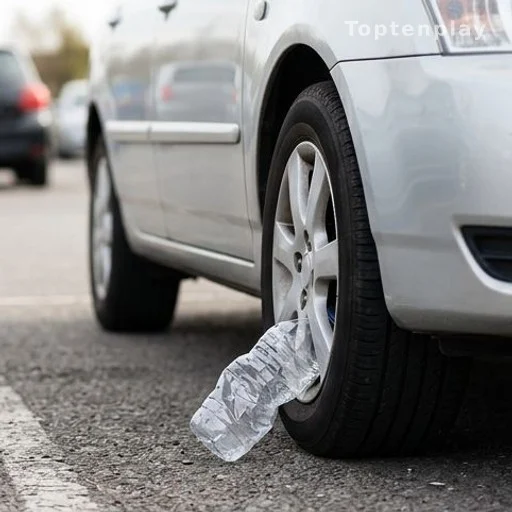
When the driver pulls away, the bottle is crushed under the wheel, producing a sharp popping sound that closely resembles a tire blowout or a mechanical failure. The noise is startling enough to prompt most drivers to stop immediately.
The driver then exits the vehicle to investigate — sometimes leaving the engine running and the door open. That brief, unguarded moment is exactly what the thief is waiting for. The window of opportunity may last only seconds, but it can be enough.
Why distraction-based theft is hard to anticipate
Distraction tactics used in car theft rely on triggering automatic human responses — like stopping to check an unexpected noise — rather than forcing entry. Because the method requires no tools and leaves no obvious evidence of criminal intent beforehand, it is difficult for standard vehicle security measures alone to counter it. Behavioral awareness remains the primary line of defense.
Reported in South Africa and the US, the tactic targets distraction
This ploy has been flagged by communities in South Africa and in parts of the United States, according to the source. While such incidents are described as not common, the warnings have circulated widely enough to prompt public safety advisories.
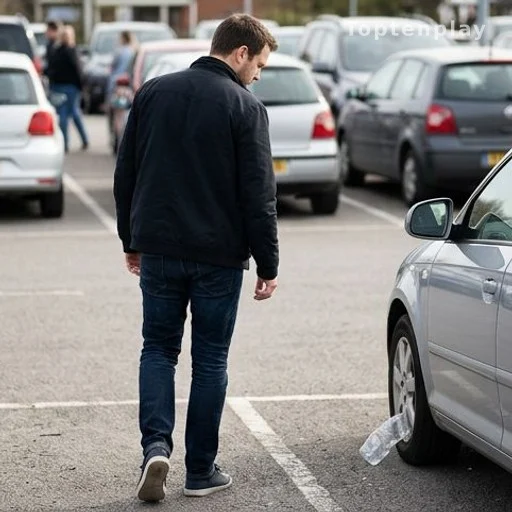
The tactic works precisely because it exploits a natural human reflex. A loud, unexpected noise while driving triggers an instinct to stop and check for damage — a response that is normally responsible and sensible. Thieves count on that instinct overriding caution.
The front passenger side placement is deliberate. Drivers typically scan the driver’s side of the vehicle when approaching or leaving, making the opposite side a blind spot. Placing the bottle there maximizes the chance it goes unnoticed until it is too late.
What to do if you find a bottle or suspicious object near your wheel
Safety guidance is clear on one point: do not touch the object. If you notice a plastic bottle or any other unusual item near your tire before getting in, resist the urge to simply kick it aside and move on.
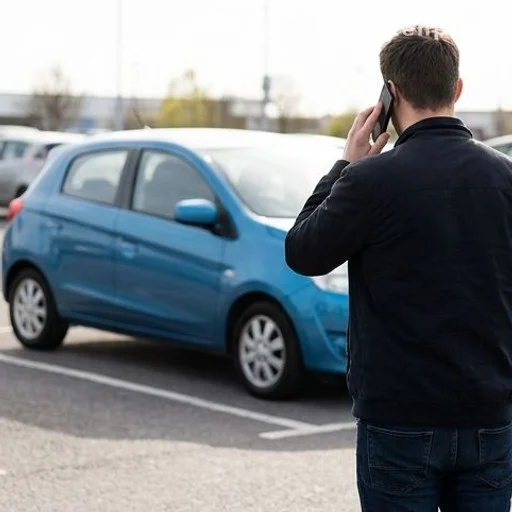
The recommended steps are to stay calm, move to a secure location away from the vehicle, and contact the authorities. Reacting with composure rather than reflex is what prevents the situation from escalating.
Suggested Posts

Egg yolk color doesn’t reveal what you think about your chicken
A deep orange egg yolk is widely taken as a sign of a healthier chicken and a more nutritious egg. That assumption is largely…