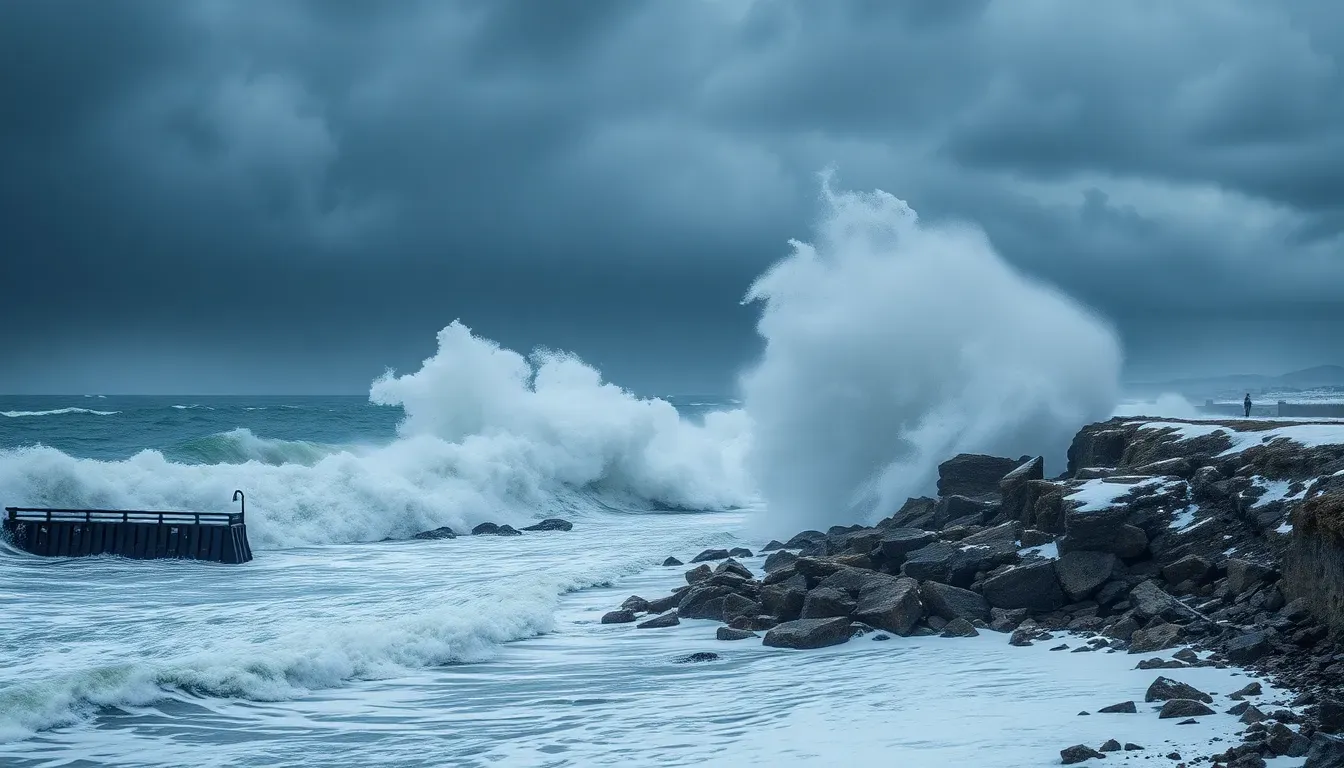
Climate Change Supercharges East Coast’s Deadliest Winter Storms
The strongest nor’easters battering America’s East Coast are becoming more destructive killers, supercharged by climate pollution effects that transform these already deadly storms into unprecedented threats.
A groundbreaking study analyzing 900 nor’easters between 1940 and 2025 reveals alarming intensification patterns. The maximum windspeed of the most intense storms has increased by around 6% since 1940, according to research published Monday in the Proceedings of the National Academy of Sciences.
This seemingly modest increase masks catastrophic implications. « A 6% boost in wind speed equates to a 20% increase in the storm’s destructive potential », explains Michael Mann, University of Pennsylvania climate scientist and study author. « That’s substantial. »
The devastation doesn’t end with winds. Rain and snow rates dumped by these storms have surged approximately 10% during the same period, creating lethal combinations of flooding, blizzard conditions, and infrastructural collapse.
These nor’easters, which typically form between September and April, represent massive threats to densely populated East Coast cities. They’re fueled by temperature contrasts between frigid Arctic air from the north and warmer, moisture-laden Atlantic air.
The research team used historical data and cyclone tracking algorithms to create a comprehensive digital atlas of these storms. Their findings challenge assumptions about winter weather in a warming world, revealing that while fewer nor’easters may occur overall, those that do form pack increasingly lethal punches.
The implications for millions of East Coast residents are immediate and undeniable.
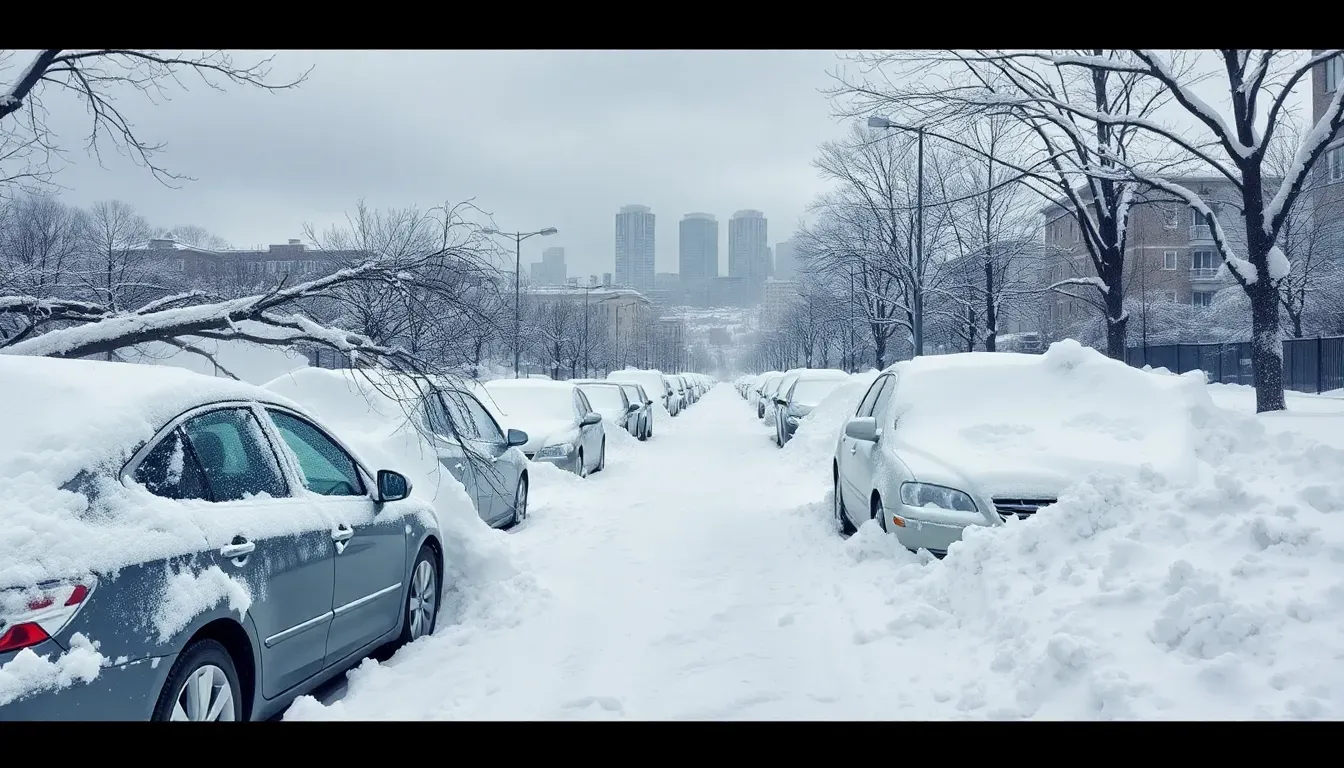
From “Snowmageddon” To “Storm Of The Century”: When Winter Weather Turns Deadly
These intensifying storms have already carved devastating chapters in American history, each earning nicknames that sound like disaster movie titles.
The « Storm of the Century » in March 1993 remains one of the deadliest and costliest nor’easters ever recorded. This monster packed winds exceeding 100 mph, dumped nearly 60 inches of snow in some regions, and claimed more than 200 lives across its path of destruction.
« Snowmageddon » in 2010 unleashed over 20 inches of snow across Pennsylvania, Maryland, Virginia, and West Virginia. The storm killed 41 people and left hundreds of thousands without power, paralyzing entire metropolitan areas for days.
Michael Mann experienced Snowmageddon’s fury firsthand. The climate scientist found himself trapped in a Philadelphia hotel room for three days, unable to venture outside as the storm raged. This personal encounter with nature’s raw power first sparked his curiosity about how global warming might be affecting these destructive weather systems.
Fifteen years later, his research provides troubling answers.
The economic toll proves equally staggering. The « Ash Wednesday » storm of 1962 inflicted devastation equivalent to tens of billions of dollars in today’s money, Mann notes. It caused « as much damage as a major landfalling hurricane » along the East Coast.
These historical benchmarks now serve as grim reminders of what’s possible when atmospheric physics collides with human infrastructure.
The Science Behind The Surge: Why Warmer World Means Fiercer Storms
The atmospheric physics driving these catastrophic events reveals a counterintuitive climate paradox that defies conventional wisdom.
Nor’easters draw their destructive power from the temperature contrast between frigid Arctic air masses and warmer, moisture-laden Atlantic currents. This clash of opposing forces creates the perfect conditions for explosive storm development along the Eastern seaboard.
But here’s where climate science gets complicated. While experts predict fewer nor’easters overall in a warming world—the Arctic is heating faster than other regions, reducing temperature contrasts—the storms that do form are becoming significantly more intense.
« It’s basic physics, » Mann explains. Warmer oceans and atmosphere generate more evaporation, pumping additional moisture into the air. When these supercharged systems unleash their fury, they dump this excess moisture as torrential rain or devastating snowfall.
The results speak for themselves. The study’s analysis of 900 storms since 1940 shows rain and snow rates have increased by approximately 10% during the most intense events.
This creates what climatologist Judah Cohen calls a climate crisis contradiction: « climate change can result in episodic increases in severe winter weather. » Even as snow seasons shorten nationwide, the individual storms that do strike pack exponentially more punch.
Mann’s research confirms this unsettling reality. Despite fewer overall storms, « individual events may pack a bigger punch » in our rapidly warming world.
The implications extend far beyond meteorological curiosity.
East Coast Cities Face Underestimated Flood Risk As Storm Threat Evolves
These intensifying storms expose a dangerous blind spot in coastal planning that could prove catastrophic for millions of Americans.
The study reveals that flooding risk in East Coast cities may be severely underestimated, with nor’easters representing a neglected threat in current risk assessments. While hurricane preparations dominate headlines, these winter juggernauts have been quietly wreaking comparable devastation.
The 1962 “Ash Wednesday” storm alone inflicted economic losses equivalent to tens of billions in today’s currency. Mann emphasizes this often-overlooked reality: the storm caused “as much damage as a major landfalling hurricane.”
Yet coastal communities continue to underestimate this mounting threat. Nor’easters have been “neglected” in comprehensive coastal risk evaluations, creating a potentially deadly gap in emergency preparedness protocols.
Jennifer Francis, senior scientist at Woodwell Climate Research Center, delivers a stark warning that should alarm every East Coast resident: « Coastal communities in the Northeast where nor’easters strike should sit up and take notice. »
Her message carries urgent economic implications beyond public safety. Francis stresses that “proactive preparation is less costly than post-storm recovery.” The alternative—reactive responses to intensifying storms—promises exponentially higher costs in both lives and infrastructure.
The window for adequate preparation is narrowing rapidly. As these storms continue their climate-fueled evolution, the question isn’t whether they’ll strike again, but whether coastal communities will be ready when they do.