Cucumber is one of the most widely consumed vegetables in the world, yet its health potential is often underestimated. Nutrition experts say that eating it regularly can support hydration, digestion, skin health, and even cardiovascular function. Sometimes, the most common foods are also among the most beneficial.
En bref
- —Cucumbers are made up of about 95% water
- —They contain vitamins C, A, K and several B vitamins
- —Their fiber content supports digestion and weight management
A Powerhouse of Hydration in Every Bite
At first glance, cucumber may seem like little more than a crunchy filler in a salad bowl. But its most remarkable quality lies in its composition: cucumbers consist of approximately 95 percent water, making them one of the most hydrating vegetables available.
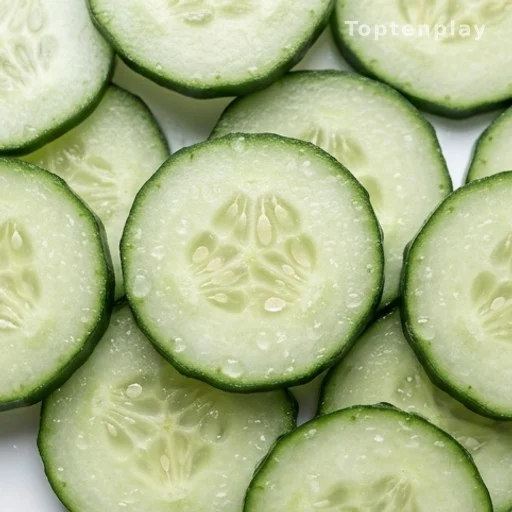
This exceptionally high water content has real physiological benefits. It helps maintain healthy skin from the inside out, supports the digestive system, and can prevent dehydration — particularly during warmer months or following physical activity.
Unlike sugary drinks or processed snacks, cucumber delivers hydration alongside actual nutrients, making it a particularly efficient choice for everyday wellness.
Vitamins and Antioxidants That Strengthen the Immune System
Cucumbers are a natural source of several essential vitamins, including vitamin C, vitamin A, vitamin K, and a range of B vitamins. Together, these nutrients help protect the body’s cells from oxidative damage and support its ability to fight off infections.

Antioxidants play a particularly important role in this process. They neutralize harmful free radicals in the body, reducing the risk of cellular damage that can contribute to chronic illness over time.
Incorporating cucumbers into regular meals is therefore a straightforward and low-cost way to reinforce the immune system as part of a balanced diet.
Why everyday vegetables matter
Nutrition science has increasingly highlighted the health value of common, affordable vegetables that are often taken for granted. Cucumbers, widely available year-round and consumed across many cultures, have been studied for their hydrating, antioxidant, and digestive properties. Experts emphasize that consistent consumption of such foods can have a meaningful cumulative impact on long-term health.
Skin Health and Collagen: A Natural Beauty Ally
The combination of high water content, antioxidants, and vitamin C found in cucumbers makes them particularly beneficial for skin health. These nutrients work together to keep the skin hydrated and to stimulate collagen production.

Collagen is a structural protein essential for maintaining skin elasticity and a smooth appearance. As the body’s natural collagen production slows with age, dietary sources of vitamin C — like cucumber — can help support this process.
While no single food can replace a comprehensive skincare routine, regularly consuming cucumbers as part of a varied diet may contribute to a healthier and more resilient complexion over time.
Digestion, Weight Management, and Heart Health
Cucumbers contain fiber, including a specific type called pectin, which plays an important role in digestive health. Pectin supports healthy intestinal movement and encourages the growth of beneficial gut bacteria, contributing to a well-functioning digestive system.

Because cucumbers are low in calories yet filling — thanks to their water and fiber content — they can help people feel satisfied without overeating. This makes them a practical addition to diets aimed at weight management.
Cucumbers also contain potassium, a mineral that helps regulate sodium levels in the body and supports healthy blood pressure. Combined with their antioxidants and fiber, this positions cucumbers as a genuinely heart-friendly food — one whose benefits are easy to overlook given how common it is.
Cucumber’s reputation as a bland salad ingredient does little justice to its actual nutritional profile. From supporting hydration and immunity to promoting skin health and protecting the heart, this everyday vegetable offers a surprisingly broad range of benefits. The key takeaway from nutrition experts is simple: consistency matters. Regularly including cucumbers in meals — whether in salads, as a snack, or alongside other dishes — is a small habit that can yield real health dividends over time.