The nocturnal timing is not incidental. It is the final layer that turns a harmless insect into something that feels, however briefly and irrationally, like a genuine cause for alarm.
Harmless by every measure: what the science actually says
Despite the visceral reaction they can provoke, species like the Polyphemus, Luna, and Kamitetep moth are completely harmless to humans. They do not bite, do not sting, and carry no known threat. Their unsettling appearance is, in biological terms, a defense mechanism aimed at predators — not a signal of danger to people.
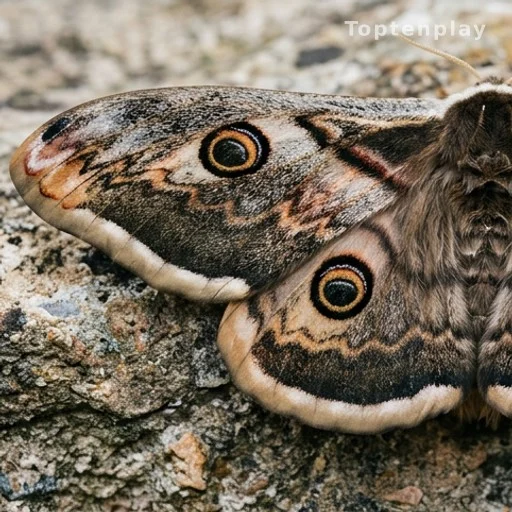
The eye-like markings that make them look so alarming are eyespots — patterns evolved to startle or confuse birds and other predators into thinking they are facing a much larger animal. The very feature that unnerves humans at night is, for the moth, a survival tool directed at entirely different threats.
Understanding the mechanism behind the fear response does not necessarily make it disappear — the startle reflex is not under conscious control. But it does reframe the encounter: what clings to the wall is not a threat, but a large, silent, nocturnal insect whose only agenda is to survive until morning.
For anyone who has encountered one of these moths and wants to identify the species, nocturnal insect identification resources and entomology communities can help narrow down the exact species by region and markings. The broader question of why certain harmless animals trigger such strong fear responses remains an active area of research in evolutionary psychology — with moths, spiders, and other creatures continuing to serve as useful test cases.
Suggested Posts

Can you spot the large dog hiding in this kitchen photo?
A photo shared by Christina Suvo and reported by 7 News Perth has been fooling viewers around the world: what looks like a perfectly…