📌 The cooking mistake that’s turning your egg yolks green (and how to stop it)
Posted 30 November 2025 by: Admin
The Science Behind The Green Ring
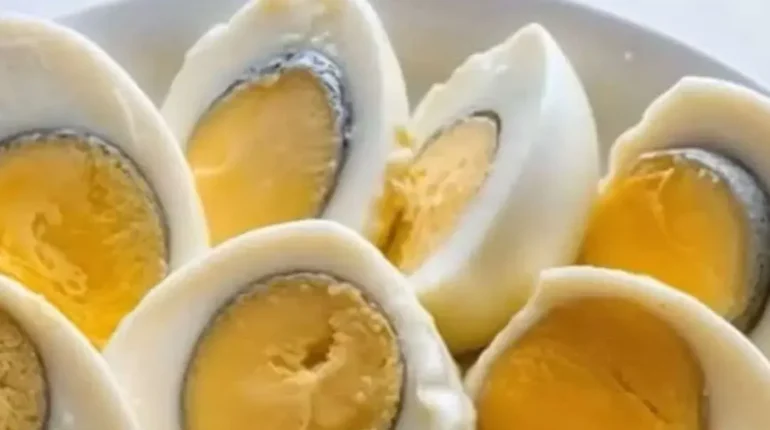
That peculiar green hue circling the yolk isn’t a sign of spoilage—it’s pure chemistry at work. When you hard-boil an egg, sulfur compounds in the egg white react with iron in the yolk, creating a harmless discoloration that often concerns home cooks. This natural chemical reaction occurs specifically due to overcooking, transforming the yolk’s surface into that distinctive greenish-gray shade.
The good news? It’s entirely safe to eat. Despite its off-putting appearance, the green ring poses no health risks whatsoever. Countless people have consumed hard-boiled eggs with this coloration for generations without incident. Understanding this simple chemical process removes the mystery—and the worry—from your breakfast plate.
The discoloration happens because heat causes the iron and sulfur to bond differently than they would in raw or lightly cooked eggs. Rather than being a defect in your cooking technique, it’s actually an inevitable consequence of extended heat exposure that becomes more pronounced the longer eggs sit in hot water. This explains why even carefully cooked eggs sometimes develop the green ring, and why it’s so common in commercial and restaurant hard-boiled egg production.
Knowing that this transformation is harmless fundamentally changes how we approach cooking eggs. The question shifts from “Is something wrong?” to “Do I prefer this texture and appearance?”—opening the door to practical techniques that can prevent or minimize the discoloration while still achieving perfectly cooked eggs.
Nutritional Benefits That Make Eggs Essential
Beyond their versatility in the kitchen, eggs deliver exceptional nutritional value across every cooking method. Each egg packs significant protein—essential for muscle repair and growth—making them a cornerstone of balanced nutrition regardless of age or lifestyle. The yolk alone contains choline, a nutrient that directly supports brain function and cognitive development, positioning eggs as more than just a convenient meal.
What makes eggs particularly valuable is their composition: rich in vitamins and minerals, they offer healthy fats while remaining remarkably low in calorie density. This nutritional sweet spot explains why nutritionists recommend eggs for both children and adults seeking sustained energy without excess calories. The combination of muscle-building protein, brain-supporting choline, and cardiovascular-friendly fats creates a complete nutritional profile rare in single-source foods.
This nutritional density becomes especially relevant when considering hard-boiling as a cooking method. The green ring—that harmless chemical byproduct of extended heat—doesn’t diminish these health benefits. Whether you encounter that discoloration or successfully avoid it through proper technique, the egg’s nutritional integrity remains intact. Understanding both the chemistry and the nutrition empowers you to cook with confidence, knowing that your breakfast choice supports genuine health goals while delivering genuine flavor.
Mastering The Perfect Boiling Technique
Achieving the ideal hard-boiled egg requires precision—not guesswork. The green ring disappears when you control two critical variables: heat and time. Start by placing eggs in a pot and covering them with cold water, maintaining one to two inches of water above the eggs. Bring the water to a rolling boil over medium heat, then immediately turn off the flame. This decisive moment prevents overcooking.
Cover the pot and let the residual heat work its magic. For soft yolks, keep eggs in the hot water for nine minutes; for firm yolks, extend to 11-12 minutes. The precision here matters—these windows directly determine whether you’ll see that green ring or enjoy a perfectly pale yolk. Once time is up, immediately transfer eggs to an ice-cold water bath for five minutes. This rapid cooling stops the cooking process entirely, locking in your desired texture.
The technique extends beyond temperature control. Adding a tablespoon of vinegar or a pinch of salt prevents cracking during boiling, protecting your investment. For effortless peeling, crack and peel the eggs under running water—the water creates separation between the shell and membrane, transforming a frustrating task into a simple one.
Master these fundamentals, and the green ring becomes optional rather than inevitable. You gain complete control over your breakfast, ensuring consistent results every time.
Storage Secrets And Pro Tips
Now that you’ve mastered the boiling technique, protecting your perfect eggs becomes equally important. Storage directly impacts both safety and quality, making it essential knowledge for egg enthusiasts.
The refrigeration window depends on whether eggs remain in their shells. Unpeeled hard-boiled eggs stay safe for up to one week when properly stored in the refrigerator, giving you flexibility for meal prep and quick breakfasts throughout the week. Peeled eggs, however, have a shorter lifespan—consume them within 2-3 days to ensure optimal freshness and prevent bacterial growth.
Prevention during cooking matters as much as storage afterward. Adding a tablespoon of vinegar or a pinch of salt to your boiling water creates a simple yet effective barrier against cracking, protecting your eggs before they even reach the pot. For peeling, run your eggs under cold water while removing the shell—this technique, often overlooked, transforms a tedious task into seconds of work by creating natural separation between the membrane and shell.
These practical refinements separate casual egg cooks from those who achieve consistently impressive results. By respecting storage timelines and employing these finishing techniques, you elevate your hard-boiled egg game from occasional success to reliable mastery, ensuring every breakfast delivers exactly what you planned.