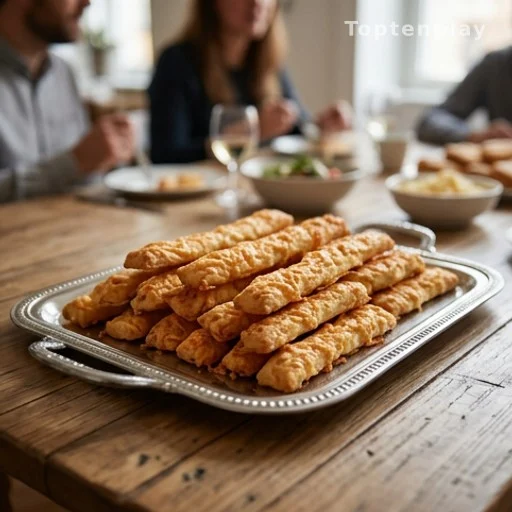
The recipe explored here comes directly from a family tradition: a mother-in-law’s golden rule that the best dishes for gatherings rely on just a few core ingredients, executed with care. Four humble components — sharp cheddar, cold butter, flour, and cayenne — are all it takes to produce something that feels genuinely celebratory.
That combination of simplicity and impact is precisely what has kept cheese straws on Southern silver trays for so long. As the author puts it, «a perfect cheese straw is a love language» — a sentiment that anyone who grew up around Southern hospitality or Midwestern farmhouse cooking will recognize immediately.
Cold butter and a hot oven: the science behind the crunch
The signature crisp texture of a cheese straw is not accidental — it is the direct result of a precise interaction between temperature and heat. When cold, butter-rich dough meets a properly preheated oven, the water trapped inside the butter converts almost instantly to steam.
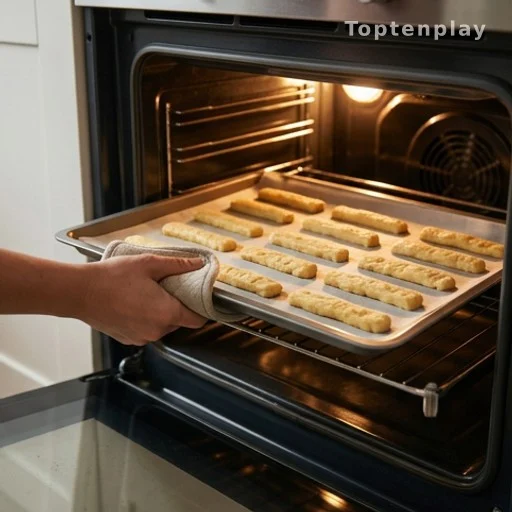
That rapid burst of steam creates what bakers call «oven spring»: the dough puffs up quickly, forming microscopic flaky layers before the exterior has a chance to set. The high heat then locks in a golden, crisp crust that shatters satisfyingly with each bite.
This is why the temperature of the butter matters as much as the temperature of the oven. Softened or melted butter would release its moisture too slowly, producing a denser, less layered result. The cold-butter method is not a shortcut — it is the mechanism that makes the recipe work.
A tradition rooted in Southern hospitality
Cheese straws are a cornerstone of Southern American entertaining, appearing on party tables from Virginia to Texas for well over a century. Unlike many regional specialties, the recipe has remained remarkably stable — a short list of pantry staples shaped into thin sticks or piped into rosettes and baked until golden. Their longevity speaks to a broader principle in Southern cooking: that generosity at the table does not require complexity in the kitchen.
Cayenne pepper: the ingredient doing more than adding heat
Cayenne is not simply a seasoning in this recipe — it is described as its defining character. The sharp, peppery aroma that fills the kitchen as cheese straws bake is almost entirely the work of capsaicin, the active compound responsible for cayenne’s heat.
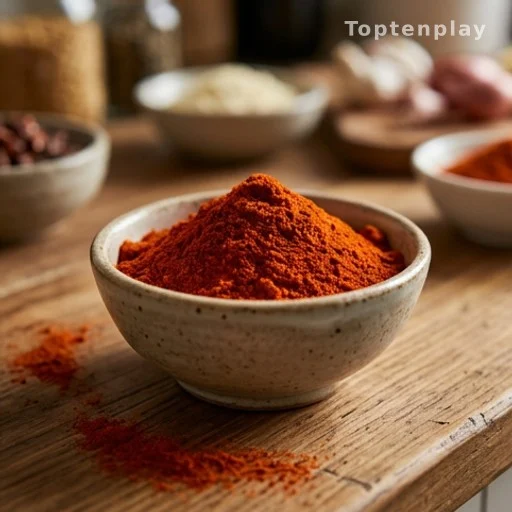
Capsaicin is also classified as a natural vasodilator: it helps relax and widen blood vessels, supporting steady blood flow and, by extension, cardiovascular health. The recipe’s author, who is 73 and attentive to her own circulation, notes she was «thrilled to learn about the benefits of capsaicin» when revisiting this family staple.