


The second problematic window is breakfast, specifically for anyone who needs to stay sharp and focused. Bananas contain serotonin, a neurotransmitter associated with relaxation and mood regulation. Eating one at the start of a mentally demanding day can induce a sense of sluggishness rather than alertness. Nutrition guidance suggests opting for protein-rich foods first in those situations.
These two scenarios don’t make bananas dangerous — they simply highlight that the timing of consumption shapes the effect the fruit has on the body. The same nutrients that aid sleep and recovery can become a drawback at the wrong moment.
Post-workout, before bed, and the food pairings to avoid
When it comes to optimal timing, bananas are best eaten one to two hours after a meal to support digestion, or 30 minutes before or after exercise to provide a quick energy source and help with muscle recovery. Their natural sugars and potassium make them a practical choice around physical activity.
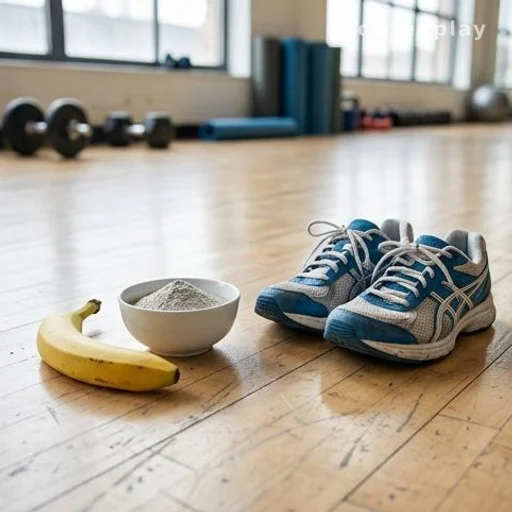
Eating a banana before bed is also supported by its nutritional profile: the fruit contains tryptophan, an amino acid that the body converts into melatonin, the hormone that regulates sleep. This makes it a functional late-night snack for people looking to improve sleep quality.
Certain food combinations are worth avoiding, however. Pairing bananas with yogurt can trigger bloating or diarrhea in people with sensitive stomachs, due to the combination of cold temperature and fermentation. Eating them alongside potatoes may lead to digestive discomfort. Starchy foods like sweet potatoes and taro, when combined with bananas, can cause gas and stomach pain.
People with kidney issues should be particularly cautious about combining bananas with watermelon. Both fruits are high in potassium, and eating them together risks pushing potassium intake to levels that could be problematic for those whose kidneys already struggle to filter the mineral efficiently.
For people managing blood sugar levels or monitoring kidney health, the practical takeaways from this research are straightforward: favor bananas post-meal or around exercise, avoid them on an empty stomach, and be mindful of combinations with high-potassium foods. The question of pectin’s potential role in reducing colon cancer risk remains open, with researchers calling for further studies to confirm early findings. As nutritional science continues to refine its understanding of food timing, bananas are likely to remain a case study in how context shapes the impact of even the most familiar foods.
Suggested Posts
Egg yolk color doesn’t reveal what you think about your chicken
A deep orange egg yolk is widely taken as a sign of a healthier chicken and a more nutritious egg. That assumption is largely…