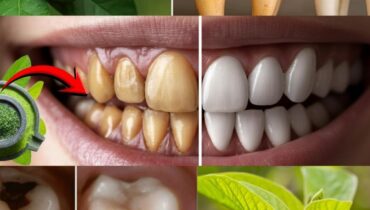
📌 Teeth whitening illusion: How cold-toned lipstick makes your smile appear instantly brighter
Posted 18 December 2025 by: Admin
The Optical Illusion Strategy: Instant Whitening Without Chemical Intervention
The promise of visibly whiter teeth in sixty seconds sounds implausible—until you understand the underlying mechanism. This isn’t about dental chemistry or enamel modification; it’s about optical perception and light reflection. What makes this approach distinct from traditional whitening solutions is its reliance on physics rather than pharmaceutical intervention, delivering immediate visual enhancement without structural modification.
The protocol itself unfolds in three sequential phases, each designed to optimize how light interacts with tooth surfaces. The first phase involves a thorough rinse lasting approximately twenty seconds, specifically targeting surface residue accumulated from coffee, tea, wine, and food particles. These organic deposits create a dulling film that diminishes natural brightness. Removing this layer alone produces a noticeable clarification effect.
The second phase requires careful drying of both lips and teeth—a ten-second intervention that proves surprisingly impactful. Moisture reflects light unevenly across tooth surfaces, scattering illumination and reducing perceived brightness. By eliminating this moisture barrier through gentle air-drying or tissue contact, teeth immediately appear sharper and more luminous.
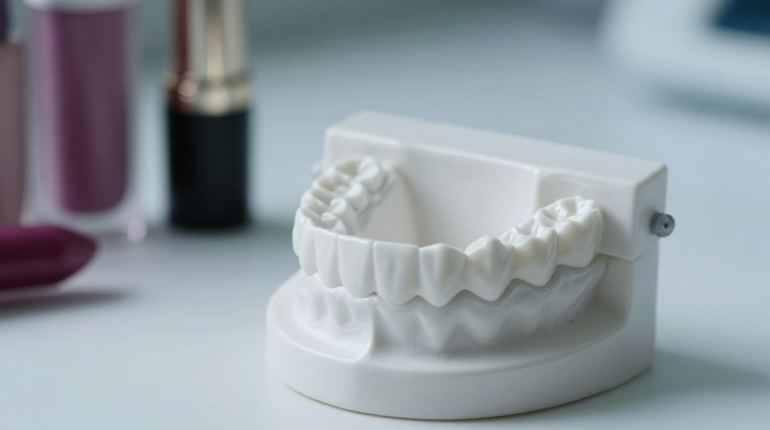
The final and most critical phase introduces cool-toned lip color application—berry, blue-red, mauve, or plum shades—which neutralizes yellow undertones through color theory principles. This thirty-second adjustment creates visual contrast that makes teeth appear substantially whiter by comparison. Warm tones like orange or brown actively counteract this effect, amplifying yellow perception rather than concealing it.
The cumulative result delivers instant brightness enhancement through straightforward mechanics: debris removal, moisture elimination, and strategic color contrast—all without chemical exposure or professional intervention.
The Science Behind Perception: Why Contrast Matters For Dental Aesthetics
Understanding why this technique functions requires examining the fundamental principles governing how the human eye perceives color and brightness. The effectiveness of the sixty-second protocol hinges entirely on color theory and light reflection physics—mechanisms that operate independently of actual enamel composition or stain depth.
When moisture persists on tooth surfaces, light becomes scattered rather than reflected uniformly. This fragmented illumination diminishes perceived brightness significantly. The drying phase eliminates this optical interference, allowing light to reflect consistently across the enamel plane. This single adjustment—removing the moisture barrier—accounts for a substantial portion of the immediate visual enhancement.
The decisive factor, however, remains the cool-toned lip color application. Color perception functions through contrast relationships. Cool pigments—berry, blue-red, mauve, plum—exist on the opposite end of the chromatic spectrum from yellow undertones inherent in natural teeth. When positioned adjacent to warm yellows, these cool tones create a visual cancellation effect. The eye perceives greater brightness not because teeth have actually changed, but because the surrounding color context shifts the comparative perception dramatically.
Conversely, orange and brown lip tones amplify yellow perception by reinforcing similar chromatic frequencies. This explains why warm lip colors actively diminish apparent tooth brightness, regardless of actual enamel condition.
This distinction proves critical: the method modifies perceived appearance through optical principles, not actual tooth structure. The brightness enhancement is instantaneous and entirely reversible—the moment the cool-toned color is removed, perception returns to baseline. Yet within that sixty-second window, the visual transformation proves remarkably compelling, demonstrating how profoundly color relationships influence dental aesthetics perception.
Professional Dental Perspective: Why This Solution Remains Outside Clinical Recommendations
The optical illusion technique achieves remarkable visual results, yet it operates in a fundamentally different domain from professional dental practice. This distinction explains why practitioners rarely discuss the method—not from suppression, but from professional scope divergence.
Dentists prioritize structural tooth health and long-term enamel preservation. Their clinical focus centers on safe bleaching methodologies, enamel protection protocols, and treatments that produce measurable changes in actual tooth color composition. Professional whitening involves chemical intervention—peroxide-based systems that penetrate enamel and address intrinsic staining at the molecular level. This represents medical treatment requiring expertise in dosage, application timing, and potential contraindications.
The sixty-second contrast strategy addresses an entirely different objective: real-time perception management through optical physics. It delivers no actual change to enamel pigmentation, removes no deep stains, and requires no clinical intervention. The brightness enhancement exists purely as a visibility phenomenon—genuine in its immediate impact, yet completely reversible and entirely external to tooth structure modification.
This positioning creates an important clarification. The technique functions as a cosmetic appearance management tool, not a dental treatment. It operates alongside professional whitening solutions rather than as a replacement. Someone seeking permanent whitening benefits requires dentist-administered bleaching protocols. Someone needing instantaneous brightness for a specific moment benefits from this contrast-based method.
The professional silence surrounding this trick reflects appropriate specialization boundaries, not hidden knowledge. Dentists address what teeth fundamentally are; this method addresses how teeth are perceived. Both have validity within their respective domains.
Risk Assessment: Dangerous Alternatives To Avoid For Enamel Preservation
The contrast-based technique carries zero risk to tooth structure, which explains its appeal for time-sensitive situations. However, the same urgency driving people toward quick solutions has spawned a landscape of genuinely damaging alternatives circulating across social media and wellness forums.
Lemon and baking soda combinations represent perhaps the most pervasive misconception. While baking soda provides mild abrasive action, lemon’s citric acid actively dissolves enamel—the irreversible mineral layer protecting teeth. Repeated applications accelerate erosion, creating translucent tooth edges and exposing underlying dentin, which appears yellower than healthy enamel. The irony is devastating: users pursuing whiteness achieve the opposite effect through permanent structural compromise.
Charcoal scrubbing operates through similar destructive mechanics. Activated charcoal’s extreme abrasiveness microabrrades enamel surfaces, removing protective layers faster than natural remineralization can restore them. Long-term users report progressive darkening as exposed dentin becomes increasingly visible. Once enamel erodes, no cosmetic intervention reverses the damage.
Peroxide hacks—concentrated solutions applied without professional dosing—present compounding risks. Uncontrolled peroxide penetration can damage pulp tissue, trigger sensitivity cascades, and weaken enamel structural integrity. Professional bleaching systems balance efficacy with safety through calibrated concentrations and application protocols.
These methods exemplify why dental consultation becomes essential for anyone pursuing actual whitening results. The contrast strategy requires nothing but cool-toned lip color. Everything else demanding chemical intervention warrants professional guidance to preserve the enamel investment that determines long-term dental aesthetics and function.