📌 Teeth whitening: how baking soda and banana can reduce stains at home (with essential precautions)
Posted 26 February 2026 by: Admin
The Little-Known Causes Of Tooth Yellowing
The smile you see in the mirror today is probably no longer the one from ten years ago. This progressive transformation is explained by two distinct mechanisms that dental researchers have clearly identified. First, extrinsic stains: these surface deposits come directly from your daily habits. Every cup of coffee, every black tea, every glass of red wine leaves chromogenic compounds that accumulate on the enamel. Studies show that these pigments gradually penetrate the micropores of the tooth surface, creating that characteristic dull tint.
But the problem doesn’t stop there. With age, your enamel naturally thins, revealing the yellowish dentin located just beneath. This deep structural phenomenon cannot be resolved by simple, even vigorous, brushing. The difference between these two types of discoloration determines which approach will actually work for you.
The psychological impact remains underestimated: many people avoid smiling fully, place their hand in front of their mouth during conversations, or feel uncomfortable in photos. This social embarrassment motivates the search for natural alternatives to aggressive chemical treatments.
The good news? The American Dental Association recognizes baking soda as a scientifically validated mild abrasive for removing surface stains without damaging enamel when used correctly. This validation opens the way for credible home solutions, provided their functioning and limits are precisely understood.
The Viral Recipe Making Waves: Ingredient By Ingredient Breakdown
For several months, a homemade preparation has been circulating massively on social media, promising a bright smile thanks to common kitchen ingredients. The exact protocol deserves rigorous analysis: scrape the inside of a ripe banana peel, add 1 teaspoon of freshly squeezed ginger juice, 1 teaspoon of lemon juice, 1 to 1.5 tablespoons of fluoride toothpaste, then ½ teaspoon of baking soda. Mix until you get a homogeneous paste, apply to a soft brush and brush gently for 1 to 2 minutes maximum, only a few times a week.
What do scientific studies really reveal about each component? Banana peel actually contains potassium and magnesium, but clinical tests show disappointing results: some research even documents a slight dulling after repeated use, far from the viral promises. Ginger offers antibacterial properties useful for oral freshness, but no solid evidence of direct whitening.
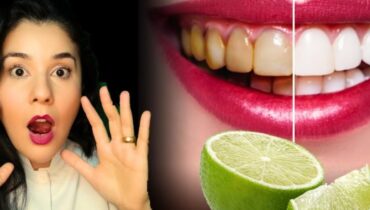
Lemon poses a serious problem. Its citric acid can indeed lighten surface stains, but dental researchers warn: this acid softens and erodes enamel progressively, increasing sensitivity and weakening the tooth structure. Experts recommend minimal amounts and extremely infrequent use, otherwise irreversible damage may occur. Baking soda and fluoride toothpaste remain the only scientifically validated elements of this recipe, combining gentle abrasive action and cavity protection.
This viral popularity is therefore based more on hope than on tangible evidence, requiring a cautious and informed approach.
Non-Negotiable Safety Rules To Preserve Your Enamel
Faced with the identified risks, oral health professionals establish a strict framework for anyone wishing to test this type of preparation. Frequency is the first line of defense: maximum 2 to 3 applications per week for a limited period of 2 to 4 weeks, followed by a very spaced-out maintenance phase. Any daily use exposes the enamel to progressive and irreversible degradation.
The application technique requires absolute rigor. Use exclusively a soft-bristled brush, apply light pressure comparable to a massage rather than scrubbing, then rinse thoroughly. A crucial step often neglected: brush immediately after with a classic fluoride toothpaste to promote remineralization and neutralize acid residues. This protocol protects the tooth surface against the chemical attacks of the mixture.
Certain signals require an immediate, non-negotiable stop. Any new sensitivity to hot or cold, gum irritation, pain, or persistent discomfort indicates that the enamel is suffering damage. Contraindications immediately exclude people already suffering from tooth sensitivity, gum problems, or wearing crowns, veneers, or other restorations.
The message from dentists remains unambiguous: “natural” in no way guarantees safety, especially with acidic substances like lemon that demineralize the protective structure of the teeth. Caution systematically takes precedence over the enthusiasm of viral trends.
Daily Habits That Outperform Viral Recipes
Beyond occasional experiments, dental science demonstrates that a consistent routine far surpasses ephemeral mixtures. The foundation remains unchangeable: brushing twice daily for two minutes with a fluoride toothpaste, daily flossing, and using an alcohol-free mouthwash. This triad removes plaque before it hardens into tartar, the main vector of persistent discoloration.
Preventive tips radically transform the equation. Drinking coffee and tea through a straw limits direct contact with the front enamel. Rinsing the mouth with clear water within thirty minutes after a colored meal neutralizes pigments before they set. These simple, mechanical gestures reduce stain accumulation by 40 to 60% according to clinical observations.
Certain foods act as natural cleaning agents. Raw apples and carrots exert a gentle mechanical action that polishes tooth surfaces without excessive abrasion. Their fibrous texture simultaneously stimulates saliva production, a natural defense against oral acidity. Added to this is oil pulling with coconut oil: this ancestral practice of 10 to 15 minutes, repeated three times a week, significantly reduces plaque and bacteria responsible for yellowing.
The comparison of methods reveals a clear hierarchy. Professional whitening offers rapid results under supervision, over-the-counter strips offer a practical compromise, while baking soda toothpastes guarantee gradual progress without major risk. The latter embody the optimal balance between measurable effectiveness and preservation of dental integrity, unlike homemade preparations whose benefits remain largely anecdotal.