Suivez-nous
28 May 2026

Spiny amaranth: this misunderstood medicinal plant can damage your kidneys if misused

Illustration image © TopTenPlay
Symbolbild © TopTenPlay

Publicité

Spiny Amaranth: From Weed To Traditional Medicinal Plant

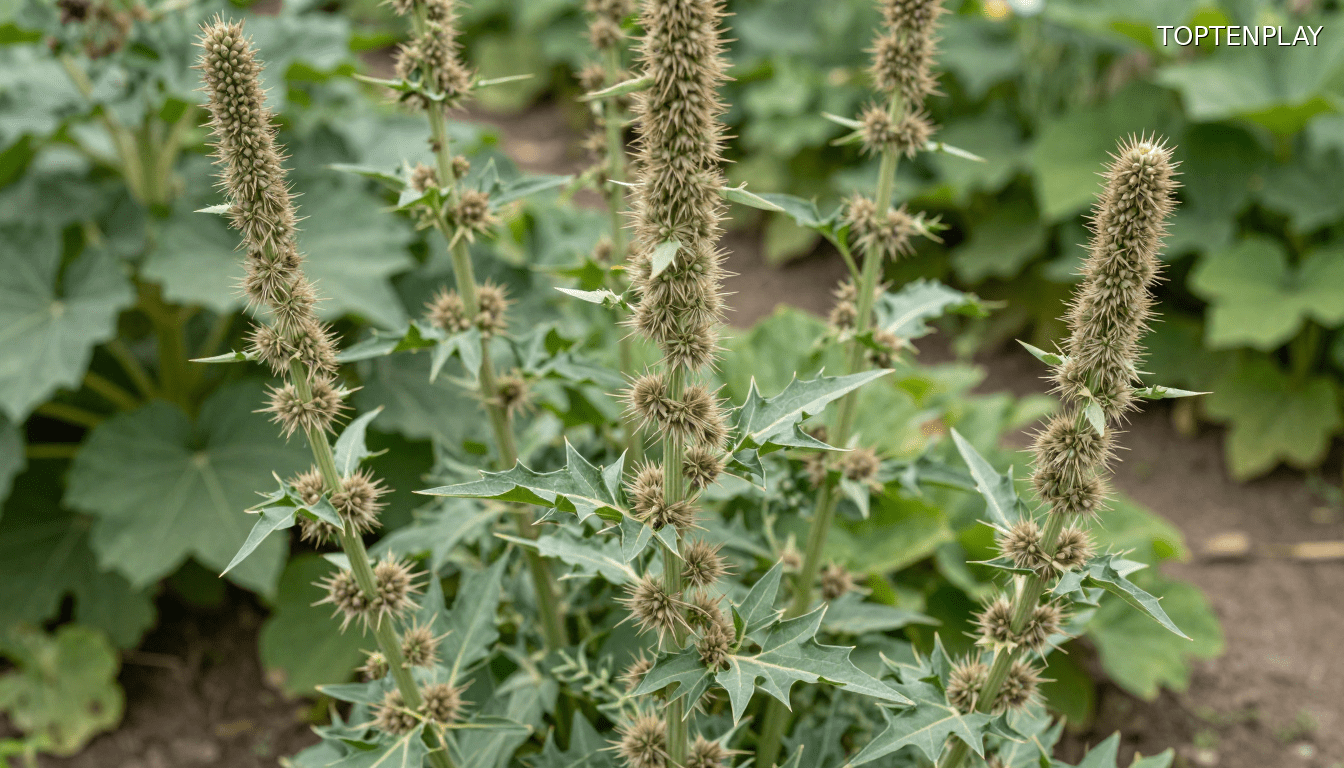
This plant with characteristic spines is likely growing in your garden without you giving it the slightest attention. Amaranthus spinosus, recognizable by its green oval leaves and sharp spines at the leaf junctions, is systematically pulled as a weed in the United States. Yet, this same plant has been respected for millennia in Asia, Africa, and South America, where it is cultivated for its therapeutic properties.

A member of the Amaranthaceae family, spiny amaranth is distinguished by its long inflorescences bristling with prickles. What seems like an invasive nuisance in American fields is actually a double medicinal and nutritional treasure in many traditional cultures. Ancestral medicine practitioners prepare it in therapeutic teas, while others consume it as a cooked vegetable, exploiting its richness in essential nutrients.

This paradox reveals a troubling reality: hundreds of millions of people eliminate a plant resource documented for centuries every year, totally ignoring its curative potential. The question is no longer whether this plant deserves our attention, but how to use it without risking the serious side effects that inadequate preparation can cause.

Publicité

Illustration image © TopTenPlay
Symbolbild © TopTenPlay

Four Therapeutic Properties Documented By Tradition

Traditional medicine practitioners have not been wrong for centuries. Spiny amaranth primarily acts on the digestive system thanks to its high fiber content, relieving constipation and abdominal discomfort through a simple mechanism: the regulation of intestinal transit. Teas prepared from this plant are used daily in certain parts of Asia to maintain optimal digestive function.

The anti-inflammatory properties of Amaranthus spinosus specifically target the stomach and urinary tract. Extracts from the plant reduce localized inflammation, offering documented relief in several traditional pharmacopoeias. This anti-inflammatory action explains its persistent use in the treatment of mild urinary tract infections and gastric irritations.

The detoxification function constitutes the third therapeutic pillar, although scientific evidence remains limited. Some cultures attribute a supportive role to the plant for kidney and liver functions, facilitating the natural elimination of toxins. This claim requires more research to be validated by modern medicine.

Publicité

On a nutritional level, spiny amaranth rivals its cultivated cousins: vitamins A and C in substantial quantities, bioavailable iron. Once properly cooked, it becomes a leafy vegetable comparable to spinach, combining immediate therapeutic action and measurable nutritional intake. This dual function explains why it remains cultivated despite its deterrent spines.

Illustration image © TopTenPlay
Symbolbild © TopTenPlay

Real Dangers: Why Inadequate Preparation Can Harm Your Health

This nutritional richness conceals a major biochemical trap. Spiny amaranth contains high concentrations of oxalates, crystalline compounds that overload the kidneys during inappropriate consumption. These molecules accumulate in the body, potentially forming kidney stones in predisposed individuals and worsening existing pathologies.

Consuming raw leaves triggers immediate digestive symptoms: acute abdominal pain, persistent nausea, diarrhea. The irritating compounds present in the unprocessed plant directly attack the gastrointestinal mucosa, turning a traditional remedy into a toxic agent. Traditional medicine practitioners have insisted on mandatory cooking for generations.

Publicité

Excessive use in teas represents a distinct danger. Prolonged daily consumption imposes metabolic stress on the liver, the organ responsible for filtering the plant’s active compounds. People suffering from kidney stones or gout must completely ban this plant from their diet, or risk irreversibly worsening their condition.

Publicité
Partager sur Facebook