Approaching the snake creates a real risk of a second bite, and that risk is not justified by the need to identify the species. If it is safely possible from a distance, noting the snake’s general appearance or taking a photograph without moving closer is acceptable.
The priority is entirely the person who has been bitten.
Call for emergency help without waiting for symptoms
Emergency medical care should be sought as quickly as possible — do not wait to see whether symptoms develop. Some venomous snakebites can initially appear mild before serious effects become apparent.
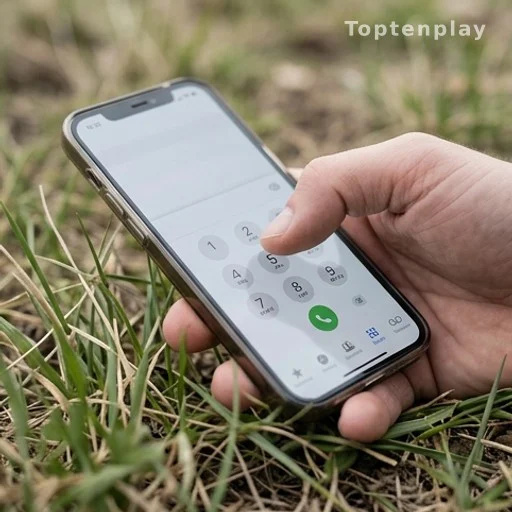
Prompt evaluation allows healthcare professionals to monitor the patient and administer antivenom or other supportive treatment when necessary. Antivenom is considered the most effective means of reversing many of the dangerous effects of venom.
If emergency transport is available, use it. The bitten person should avoid walking or any unnecessary physical exertion, as movement can accelerate the spread of venom through the body.
Snakebite: a global health concern
Snakebite envenomation is recognised by the World Health Organization as a neglected tropical disease, responsible for tens of thousands of deaths each year worldwide. The severity of a bite depends on the species, the amount of venom injected, and the speed of medical intervention. Antivenom availability and access to emergency care remain uneven across regions.
Why venom is unpredictable — and why speed matters
Snake venom does not act in a single, uniform way. Depending on the species, it can attack the nervous system, interfere with blood clotting, compromise breathing, damage the kidneys, or destroy tissue around the bite site.
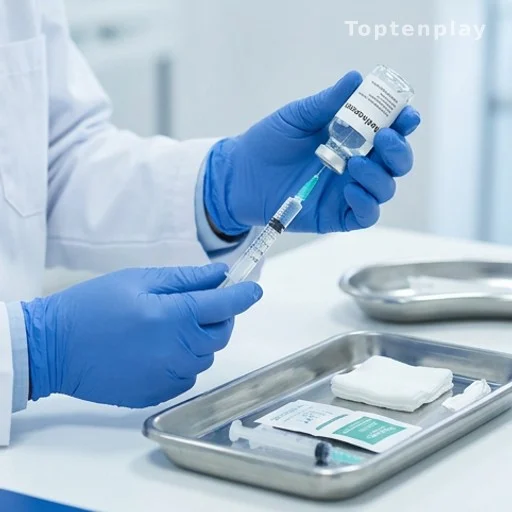
Crucially, serious symptoms are not always immediate. A bite that looks minor in the first minutes can deteriorate rapidly, which is why medical evaluation must not be delayed even when the person feels relatively well.
Suggested Posts
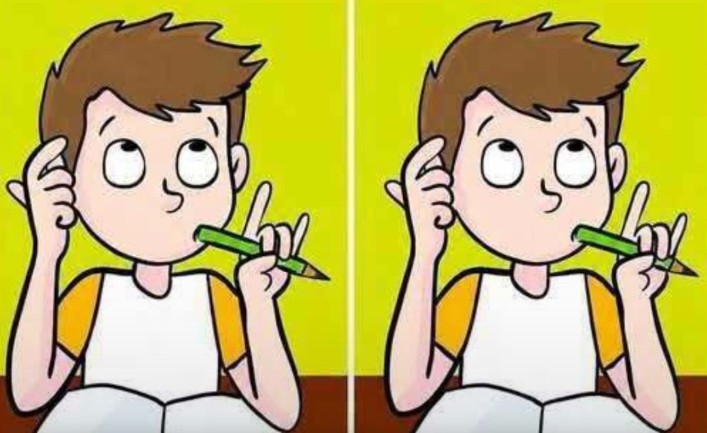
The study desk puzzle that tricks your brain into missing the obvious
A study desk with books, pens, and a lamp sounds like the easiest possible setting for a spot-the-difference puzzle. Yet that very familiarity is…