A snakebite can happen in seconds, but how you respond in the minutes that follow can make all the difference. Whether on a hiking trail, in a garden, or on a farm, knowing the right steps — and the wrong ones — is a skill that could save a life. Health authorities consistently stress that preparation and awareness remain the most effective tools against serious outcomes.
En bref
- —Every snakebite must be treated as potentially dangerous
- —Most bites occur near home during routine outdoor activities
- —A pressure bandage and immobility are the key first aid steps
A Risk Closer to Home Than Most People Think
Snakebites are far more common than many people assume. In countries like Australia, health authorities document thousands of incidents annually, though only a fraction ultimately require hospital admission. National monitoring programs confirm that the most dangerous cases are linked to a handful of venomous species, concentrated mainly in rural and semi-rural areas.

Contrary to the popular image of a hiker deep in the wilderness, a significant number of bites occur close to home. Routine activities — gardening, walking through tall grass, or attempting to remove a snake from a property — account for many confirmed cases. Most victims are adults engaged in outdoor work or everyday recreation, not extreme adventurers.
The warmer months bring a notable increase in encounters, as snakes become more active in higher temperatures. Understanding when and where the risk is greatest is the first step toward avoiding a dangerous situation.
Prevention: Making Your Environment Less Inviting
Snakes are drawn to environments that offer three things: shelter, water, and prey. Properties with dense vegetation, unsealed outbuildings, or rodent problems are particularly attractive. Simple habitat management can significantly reduce the likelihood of an encounter.
Practical steps include keeping yards tidy, trimming dense vegetation, sealing openings in sheds and fences, and actively controlling rodent populations. Removing the conditions that attract snakes is far more effective than reacting after one has appeared.
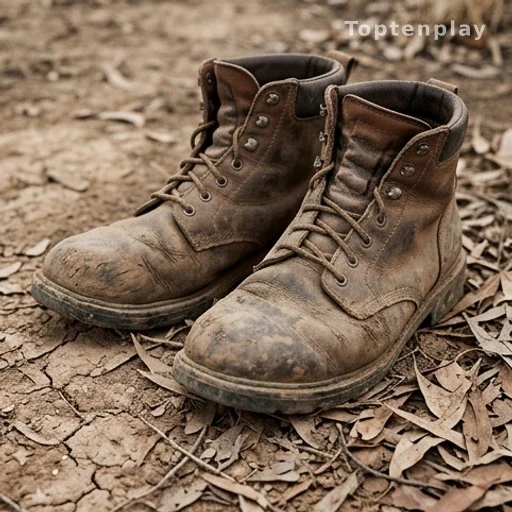
Personal protective equipment also matters. Since most bites affect the arms or legs, wearing sturdy boots, long trousers, long sleeves, and gloves during outdoor work or walks through vegetation offers meaningful protection. These measures are simple, low-cost, and widely recommended by health authorities.
Why snakebites are a public health concern
Snakebites are recognized globally as a neglected public health issue, particularly in rural and agricultural communities. In Australia, several highly venomous species are responsible for the majority of serious cases. Warmer months consistently see a spike in incidents, as snakes become more active and human outdoor activity increases.
Immediate Response: What to Do in the First Minutes
If a bite occurs, the single most important rule is this: treat every bite as potentially dangerous, regardless of how minor it appears. Some envenomations cause immediate swelling and pain; others produce almost no symptoms at first. Without medical evaluation, it is impossible to know whether venom was injected at all.
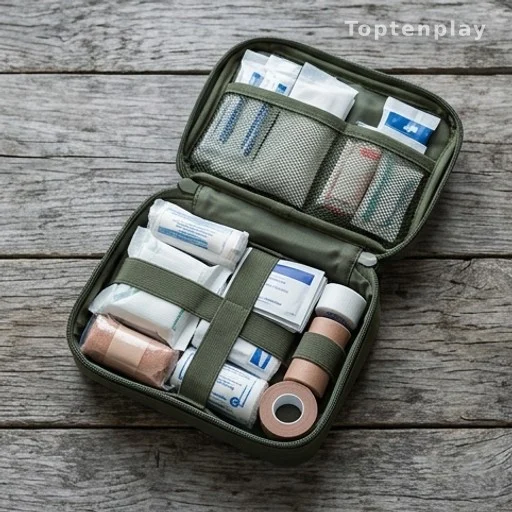
The correct sequence of actions is clear. Keep the person still and as calm as possible — movement accelerates venom absorption. Call emergency services immediately. Apply a firm pressure bandage over the bite site and immobilize the affected limb, keeping it at or below heart level.
One critical instruction that surprises many people: do not wash the wound. Traces of venom left on the skin can help medical staff identify the snake species and administer the correct antivenom. Washing the area destroys this vital diagnostic information.
Why Professional Medical Care Is Non-Negotiable
No matter how well first aid is applied, a snakebite always requires professional medical evaluation. The pressure bandage and immobilization are holding measures, not treatments. Only trained medical staff can assess envenomation, monitor vital signs, and administer antivenom if needed.

Prompt care dramatically increases the chances of a full recovery. Delays — whether caused by hesitation, a belief that the bite was harmless, or difficulty reaching services in remote areas — are among the most common factors in serious outcomes. Calling emergency services immediately, even when symptoms seem absent, is always the right decision.
Ultimately, the combination of prevention, calm first aid, and rapid access to medical care forms the complete response to a snakebite. Education and preparation, for anyone who spends time outdoors, remain the most powerful tools available.
Snakebites are a genuine and underestimated risk for anyone spending time outdoors, even close to home. The evidence is clear: staying calm, applying a pressure bandage, immobilizing the limb, and calling emergency services immediately are the steps that matter most. Prevention through habitat management and protective clothing reduces encounters before they happen. Above all, no bite should ever be dismissed as harmless — professional medical assessment is always essential.