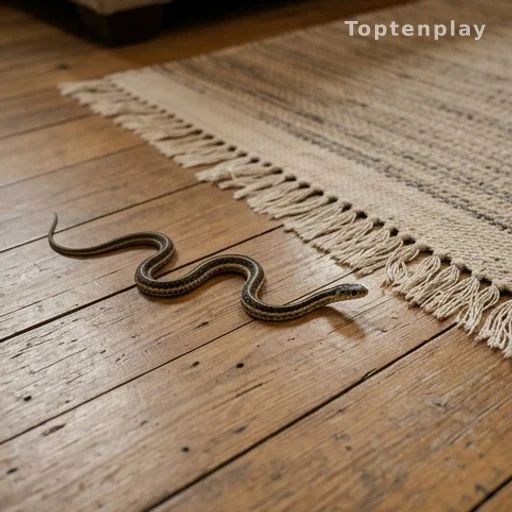
The vast majority of snakes found inside homes are non-venomous species. The common garter snake and the brown snake are among the most frequent uninvited visitors. Neither poses a threat to humans. Farmers have long known this: a snake in the barn was historically considered a good sign, a natural guarantee that grain stores were protected from rodents.
Understanding what the snake actually is — a frightened, pest-controlling reptile with no interest in confrontation — is the first step toward handling the situation without unnecessary stress. That shift in perspective is not just reassuring; it is, medically speaking, important.
Why snakes enter homes
Snakes are cold-blooded and regulate their body temperature through their environment. In warm months they seek out cool, dark spaces — which is why basements, garages, and ground-floor rooms are common entry points. They are also drawn indoors by the presence of rodents, which serve as a food source. Sealing gaps around pipes and foundations significantly reduces the risk of an indoor encounter.
The cardiovascular case for staying calm when you spot a snake
The instinct to panic is understandable, but the physical response it triggers is worth understanding. When fear spikes adrenaline, blood vessels constrict and blood pressure rises sharply. For most people this passes quickly, but for older adults or anyone monitoring their cardiovascular health, those sudden surges put real, unnecessary strain on the heart and circulation.

Acting methodically — observing the snake from a safe distance, breathing slowly, and following a clear plan — keeps heart rate steady and blood pressure in check. The situation calls for the same deliberate calm that doctors recommend for managing stress in everyday life.
This is not about minimizing a startling moment. It is about recognizing that the way you respond physically to a fright has measurable consequences. Keeping that response measured is, quite literally, good for your health.
Four household items are all you need for a safe removal
No specialist equipment is required to remove a snake from your home safely. The recommended kit is built entirely from objects most households already own. The goal is to guide the snake into a container and transport it outside — without any physical contact.
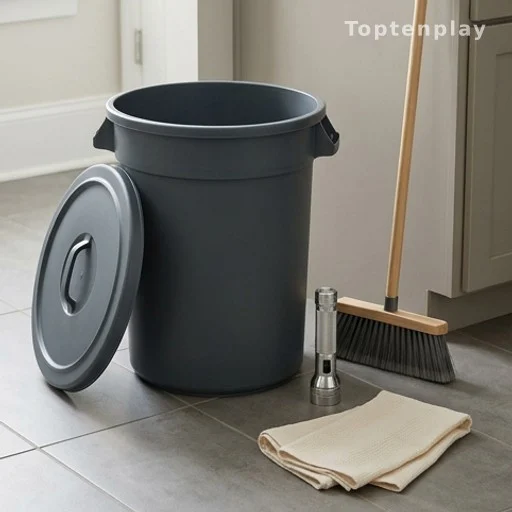
The four items are: a large plastic trash can with a lid (this serves as the trap), a long-handled broom to gently guide the snake — a long piece of cardboard works equally well as a substitute — a bright flashlight to track the snake’s movements if it slides under furniture, and a thick towel or blanket to cover the trash can once the snake is inside.
Suggested Posts
He found a mystery object in a drawer — the internet solved it
A man helping his girlfriend tidy her room came across an unfamiliar object tucked inside a drawer — two handles, a curved shape, and…