These are not complex interventions. Moving a layer of mulch away from a wall or clearing a blocked drain can meaningfully reduce slug activity at the threshold before the problem moves indoors.
Crumbs, pet food, and unsealed trash: small food sources that make a difference
Moisture is the primary draw, but food is a secondary one. Slugs are opportunistic feeders, and even modest food sources left accessible overnight can be enough to attract and retain them indoors. Pet food bowls left out after dark, crumbs on kitchen floors, unsealed rubbish bins, and organic debris near entryways all qualify.
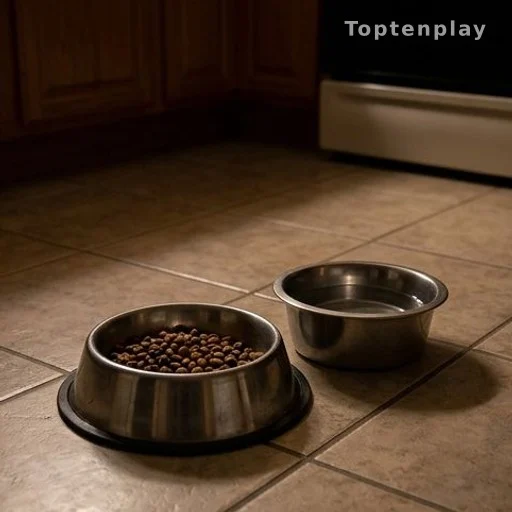
The fix here is largely behavioral: storing food securely, emptying pet bowls before night, and keeping floors and entryways clean. These habits reduce the incentive for slugs to remain inside even if they have already found a way in.
When removing slugs already present, the advice is to do so gently and without harsh chemicals, which can be harmful to pets, children, and garden ecosystems. Once the underlying conditions — moisture, entry points, outdoor environment, and food sources — are addressed, slug incursions should decrease significantly on their own.
For homeowners who have already spotted slugs indoors, the priority is working through each of the four causes in order: check for leaks and reduce humidity first, then inspect and seal entry points, then address outdoor drainage and vegetation, and finally tighten food storage habits. Any moisture issues identified during this process should be assessed carefully — persistent damp that has gone unnoticed may warrant a professional inspection to rule out deeper structural damage before it escalates into a more significant and expensive problem.
Suggested Posts
The Oregon man jailed for water collection — and why your rain barrel is different
The story of an Oregon man jailed over water collection has fueled widespread alarm about rain barrels. But the reality behind that case is…