📌 Slow cooker beef stew: how to get melt-in-your-mouth meat with only 15 minutes of preparation

Posted 5 February 2026 by: Admin
The Slow Cooker Essential: A Comforting Dish For Winter Evenings
The aroma of stewed beef gradually filling every room of the house after a grueling day: this is a promise that transforms an ordinary evening into a moment of absolute comfort. This slow cooker beef recipe perfectly embodies this striking contrast between gourmet results and simplicity of execution. While you go about your business, 3 to 4 pounds of meat transform into a remarkably tender dish, infused with rich and deep flavors.
Versatility is the major asset of this preparation. Whether for a daily meal after work, a casual gathering with friends, or simply a cocooning moment alone, this dish adapts to all situations. No advanced culinary skills are required, no constant monitoring necessary. The slow cooker does the work while you live your life.
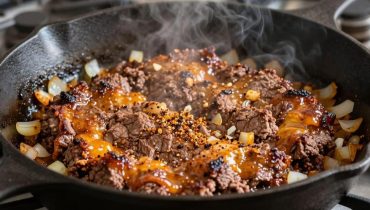
What strikes you first is this sensory experience that begins long before sitting down to eat. From midday, the scents of caramelized meat and aromatics begin to spread. Crossing your doorstep in the evening, this comforting smell welcomes you like a promise kept. The result on the plate confirms what the nose anticipated: melt-in-your-mouth beef that falls apart with a fork, coated in a smooth sauce where herbal notes and the umami depth of concentrated broth subtly blend.
Ingredient Selection: When Quality Meets Simplicity
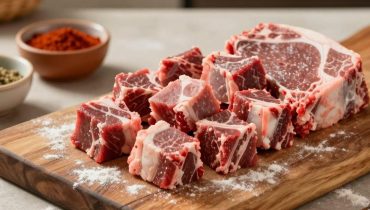
Behind this culinary transformation lies a methodical assembly where each component plays a precise role. Beef chuck or brisket, pieces renowned for their collagen content, form the foundation of the dish. Their dense muscular structure, far from being a handicap, becomes a major asset during slow cooking: the fibers gradually relax, the interstitial fat melts and permeates the meat with incomparable smoothness.
The aromatic base follows a classic but formidably effective logic. One medium chopped onion, three minced garlic cloves, three carrots, and three celery stalks diced create this flavor foundation that carries the entire dish. These vegetables are not mere extras: they release their natural sugars during cooking, bringing a subtle sweetness that balances the richness of the meat.
The seasoning reveals a balanced approach: a tablespoon of salt, a teaspoon of black pepper, as much paprika for a discreet smoky touch, dried thyme, and a bay leaf for the herbal dimension. These spices do not seek to mask but to reveal.
The liquid duo determines the final texture. A cup of beef broth guarantees umami depth, while an optional cup of red wine – replaceable by additional broth – brings that acidity that tenderizes and adds complexity. For those who prefer a thicker sauce, two tablespoons of cornstarch will allow the consistency to be adjusted without altering the patiently built flavors.
Preparation: Three Steps For An Impeccable Result
This transformation of ingredients into a stewed dish relies on a methodical sequence accessible to any cook, regardless of experience. The construction logic follows a simple principle: prepare, assemble, let it work.
The first phase consists of preparing the meat and vegetables. The piece of beef, taken out of the refrigerator half an hour before to reach room temperature, guarantees even cooking. The vegetables are cut into regular pieces – not too small to prevent them from disintegrating, nor too large so they cook harmoniously with the meat. This standardization of dimensions is not an aesthetic whim but a technical necessity: it ensures that each component reaches optimal tenderness simultaneously.
The assembly in the slow cooker obeys a strategic hierarchy. The vegetables form the base bed, directly in contact with the hot ceramic. This position protects them from overly aggressive cooking while allowing them to release their juices. The meat then rests on this vegetable cushion, creating a natural barrier against direct heat. The seasonings are sprinkled uniformly, the bay leaf slipped between the pieces, then the liquids poured gently so as not to dislodge the spices.
The actual cooking simply requires patience: six to eight hours at low temperature, or four to five hours at high temperature. The lid remains closed throughout the process – each opening releases heat and extends the necessary time. Halfway through cooking, the meat begins to fall apart with a fork, a sign that the collagen is transforming into smooth gelatin.
Tips, Service, And Storage: Mastering The Art Of The Slow Cooker
This rewarded patience deserves to be extended by a few strategic adjustments that distinguish a correct dish from a memorable success. The final phase crystallizes the time investment by optimizing texture, presentation, and durability.
To perfect the cooking, one detail makes all the difference: removing the meat thirty minutes before the end and slightly increasing the temperature transforms the juices into a concentrated sauce. If a thicker consistency is desired, the two tablespoons of cornstarch diluted in a little cold water are integrated into the cooking liquid during these last minutes. The meat, shredded or sliced depending on the texture obtained, then returns to the slow cooker to soak up this velvety reduction.
The presentation amplifies the taste experience. This stewed beef flourishes on a bed of creamy mashed potatoes that generously absorbs the sauce, or accompanied by wide pasta like pappardelle. Oven-roasted root vegetables – parsnips, turnips, baby potatoes – create a welcome contrast of textures. A simple green salad with lemon vinaigrette balances the richness of the dish.
Storage extends this culinary generosity. The cooled beef keeps for four days in the refrigerator in an airtight container, with the flavors continuing to develop. For reheating, the slow cooker at low temperature for one hour restores the initial tenderness, while the microwave in two-minute intervals with a lid offers a quick alternative. Freezing for up to three months preserves the taste qualities, with gradual defrosting in the refrigerator guaranteeing the integrity of the fibers.