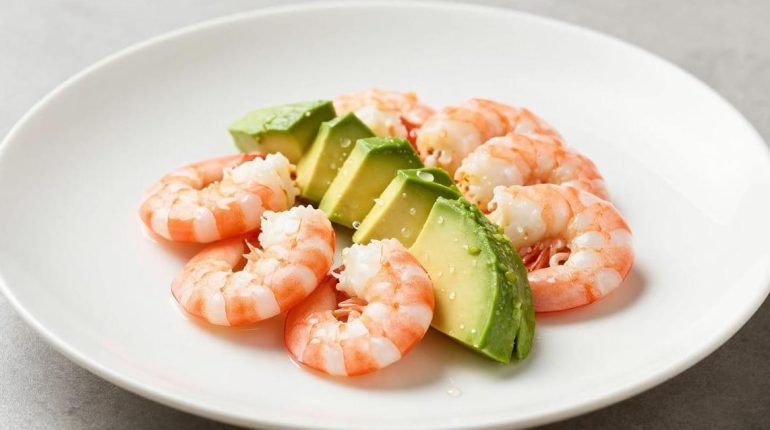
📌 Shrimp-avocado salad: the creamy Greek yogurt sauce that changes everything
Posted 4 February 2026 by: Admin
A Fresh And Accessible Recipe For All Occasions
In twenty minutes flat, this creamy shrimp and avocado salad transforms simple ingredients into a refined dish. Perfect for an express summer lunch, an elegant appetizer, or a light dinner, it adapts to all occasions without requiring special culinary skills.
The alliance between tender shrimp and melting avocado creates a remarkable taste balance. The creamy texture of the avocado envelops the delicate shrimp, while the Greek yogurt sauce provides a light creaminess that binds the whole without weighing it down. This harmony between sweetness, freshness, and indulgence is built naturally, without artifice or technical complications.
The recipe relies on seven accessible ingredients: peeled shrimp, ripe avocados, red onion, Greek yogurt, lemon juice, fresh herbs, salt, and pepper. Nothing exotic or expensive, yet the result rivals preparations from gourmet restaurants. This apparent simplicity hides a thoughtful composition where each element plays a precise role in the final experience.
For four people, fifteen minutes of preparation and five minutes of cooking are enough. Ideal timing for busy days when the desire to eat well is not accompanied by long hours in the kitchen. The speed of execution takes nothing away from the elegance of the served dish, proof that accessibility and refinement can perfectly coexist.
The Key Ingredients For A Perfect Balance
The 400 grams of peeled shrimp constitute the protein base of this salad. Cooked or ready to use, they provide that firm and delicate texture that contrasts with the softness of the other components. Their subtle marine flavor never dominates; it integrates harmoniously into the whole.
The two ripe avocados play a central role in the creaminess of the dish. Their creamy flesh envelops each bite in a velvety texture that advantageously replaces heavy fats. The choice of fruit at perfect maturity is decisive: too firm, they lack melting quality; too ripe, they lose their hold.
The red onion, precisely measured at 80 grams, introduces the necessary crunch. Finely chopped, it brings a slightly pungent note that wakes up the palate without being aggressive. This touch of sharp freshness balances the sweetness of the avocado and the delicacy of the shrimp.
The creamy sauce based on 120 grams of Greek yogurt and two tablespoons of lemon juice binds all these elements. Greek yogurt, thicker and less acidic than classic yogurt, offers a light creaminess without the heaviness of traditional mayonnaise. The lemon, for its part, awakens the flavors while preserving the vibrant color of the avocados.
This seven-ingredient composition demonstrates that a successful taste balance relies more on the quality of the associations than on the quantity of the components. Each element justifies its presence by a precise function in the final architecture of the dish.
Essential Techniques For Guaranteed Success
The cooking of the shrimp requires timed precision. Two to three minutes in a hot pan are enough to preserve their natural tenderness. Beyond that, their flesh becomes rubbery and loses that sought-after juicy texture. A light seasoning of salt and pepper during this phase reveals their marine flavor without masking it.
Lemon juice is used immediately after cutting the avocados. This rapid reaction blocks the enzymatic oxidation responsible for unsightly browning. Without this step, the vibrant green flesh turns brown-gray in a few minutes, compromising the visual appeal of the dish. This same lemon reappears in the sauce, creating aromatic consistency between all components.
The assembly requires particular delicacy. The avocado cubes, already fragile due to their creamy texture, are easily crushed under rough handling. The mixing is done with wide and slow movements, allowing the sauce to coat uniformly without turning the preparation into a shapeless puree.
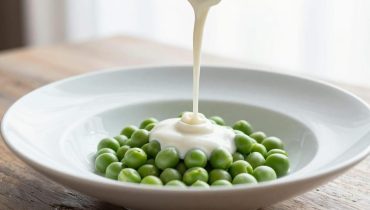
The creamy sauce is prepared separately before being poured over the whole. This method guarantees a homogeneous distribution of the Greek yogurt, lemon, and chopped fresh herbs. The smooth emulsion then coats each ingredient with a light film that binds the flavors without weighing them down.
These apparently simple technical gestures separate an ordinary salad from a mastered dish. The difference lies in respecting cooking times, immediate protection against oxidation, and the gentleness of the final mixing.
Personalization And Expert Tips
The serving temperature radically transforms the taste experience. A salad refrigerated for fifteen minutes before tasting accentuates the freshness of the flavors, creating a striking contrast between the creaminess of the avocado and the crunch of the red onion. This time in the fridge also allows the sauce to delicately penetrate each ingredient.
Diced mango advantageously replaces avocado for an exotic sweet-savory variation. This substitution maintains the melting texture while introducing a fruity note that dialogues with the shrimp. The lemon juice adapts perfectly to this tropical fruit, preserving its vibrant orange color.
Paprika profoundly modifies the aromatic profile of the shrimp. A pinch of sweet paprika during cooking envelops each crustacean in a subtle warmth, while the smoked version brings woody notes reminiscent of Mediterranean cuisine. This simple addition transforms a summer salad into a more structured autumnal dish.
The final presentation plays on visual contrasts. A few leaves of cilantro or parsley arranged on top create a vegetal relief that breaks the dominant creamy texture. This green touch also intensifies the herbal aroma just before the first bite, preparing the taste buds for the complexity of the dish.
These variations demonstrate the flexibility of a mastered recipe, capable of adapting to seasons and individual preferences without losing its fundamental balance.