Image d’illustration © TopTenPlay EN
The Appeal And Cost Challenge Of French Travertine Fountains
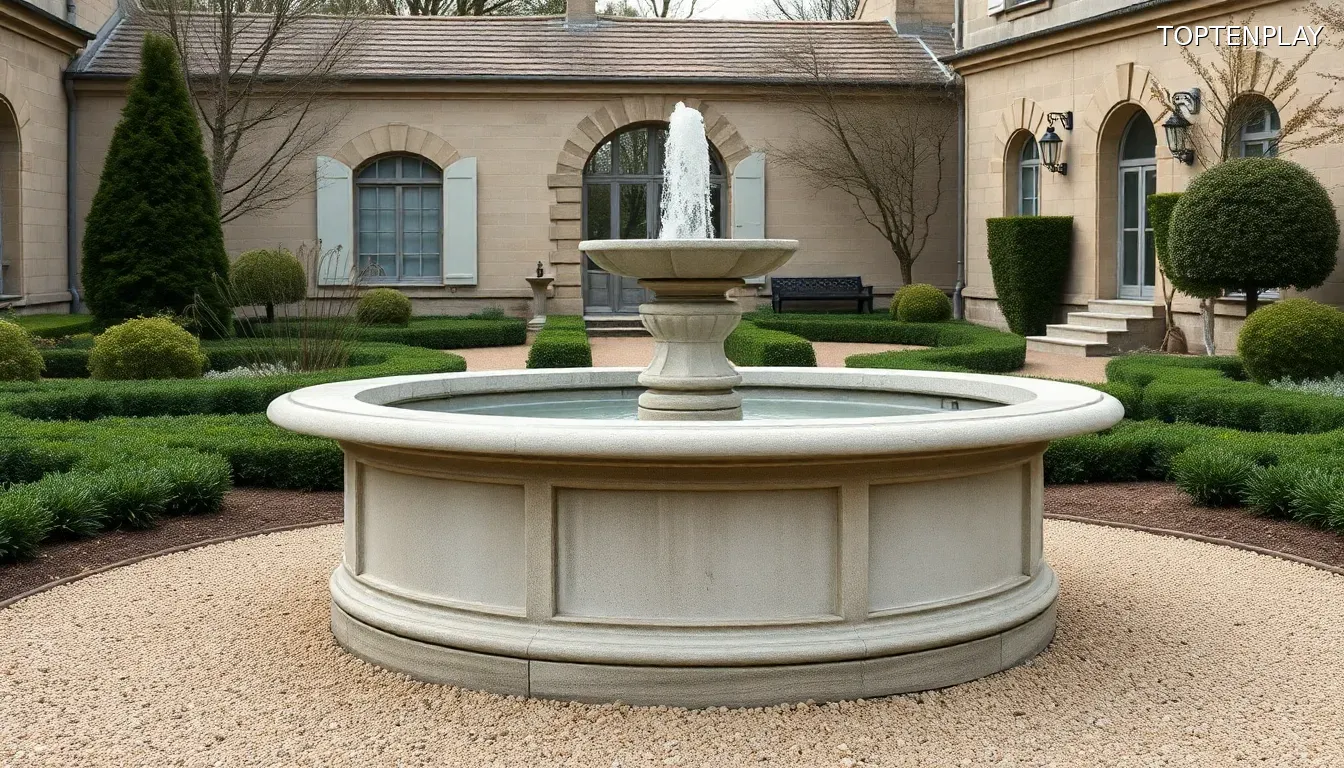
French travertine fountains represent the pinnacle of garden elegance, combining old-world sophistication with practical benefits that extend far beyond aesthetics. These limestone masterpieces don’t merely serve as decorative elements – they create natural privacy barriers, effectively mask unwanted ambient noise, and transform any outdoor space into a tranquil sanctuary reminiscent of European estates.
The allure lies in their authentic craftsmanship. Traditional French artisans meticulously carve each fountain from limestone, a process requiring generations of inherited expertise and countless hours of precision work. This artisanal heritage explains why these fountains command such reverence among landscape designers and homeowners seeking genuine luxury.
However, this exclusivity comes with a substantial financial reality. Even modest travertine fountains demand thousands of dollars, while larger, more elaborate designs easily exceed $10,000. For many homeowners drawn to this timeless aesthetic, the price barrier transforms desire into mere aspiration.
The most accessible entry point involves retrofitting existing stone troughs – a strategy that significantly reduces costs while maintaining authentic appeal. Yet stone troughs suitable for conversion remain elusive finds, often requiring years of patient hunting through specialized dealers and antique markets.
This accessibility challenge has sparked innovative alternatives that preserve the French travertine aesthetic while eliminating the prohibitive cost barrier, opening new possibilities for achieving luxury garden design on realistic budgets.
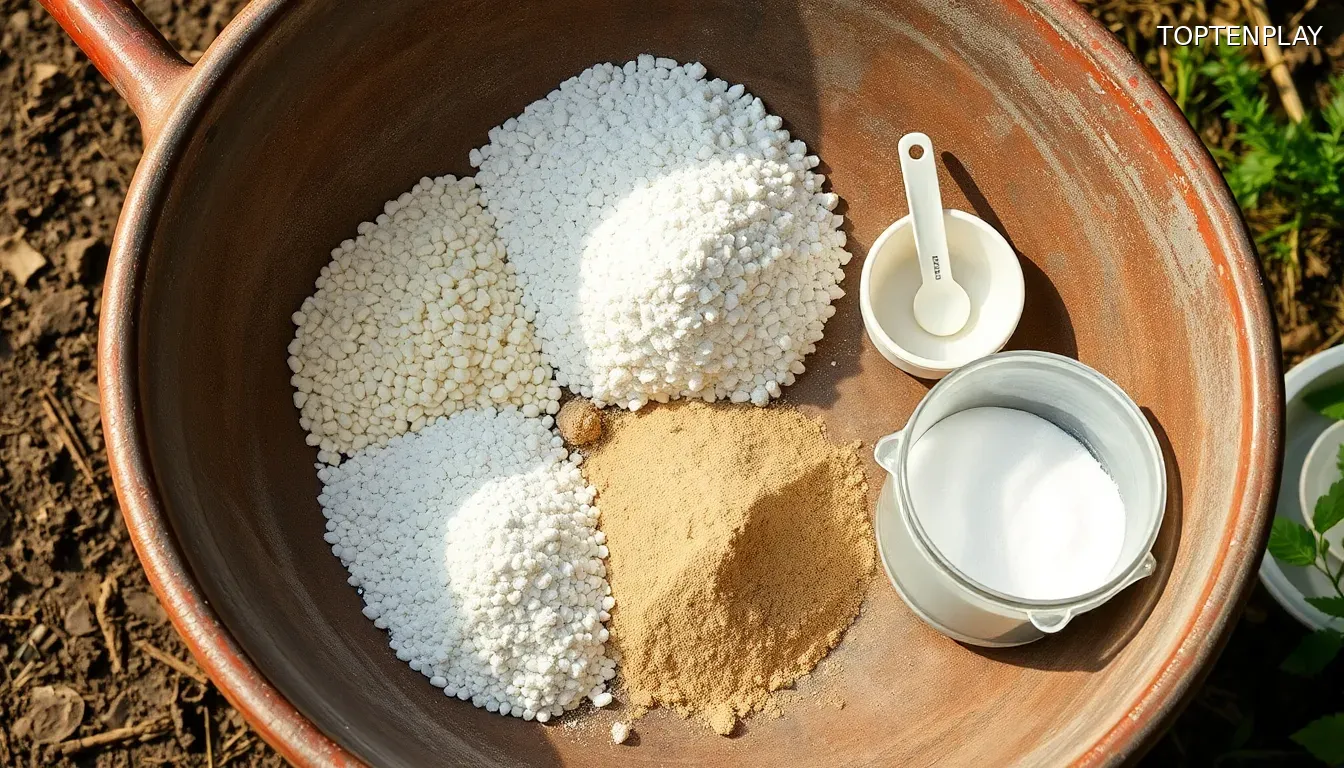
Image d’illustration © TopTenPlay EN
Creating Faux Limestone With Hypertufa Technique
The most promising solution emerges through hypertufa – a revolutionary material that replicates limestone’s appearance while eliminating traditional barriers. This simulated stone mixture combines three essential components: cement for structural integrity, perlite for lightweight properties, and coconut fiber for authentic texture. Unlike genuine limestone, hypertufa delivers comparable durability at a fraction of the weight and cost.
The construction process requires strategic planning with two bins of different sizes. The precise mixing formula calls for 3 parts perlite, 3 parts coconut fiber, and 2 parts Portland cement – ratios that ensure optimal consistency and strength. Mixing in a wheelbarrow streamlines the process, while gradual water addition creates the perfect moldable texture that holds together when compressed.
Execution demands attention to detail. Line the larger bin with plastic and cooking oil spray to facilitate easy removal. Build hypertufa walls approximately four to five inches thick around the bottom and sides, ensuring adequate structural support. Strategic placement of 3/4-inch PVC pipe creates the essential pump access point – a critical element often overlooked by DIY enthusiasts.
The sandwich technique involves positioning the smaller, plastic-covered bin atop the base layer, creating the fountain’s interior cavity. Additional hypertufa fills the remaining space between containers, forming the fountain’s final shape.
After covering with plastic, the initial 48-hour curing period begins the transformation from raw mixture to convincing stone replica, setting the stage for authentic aging techniques.
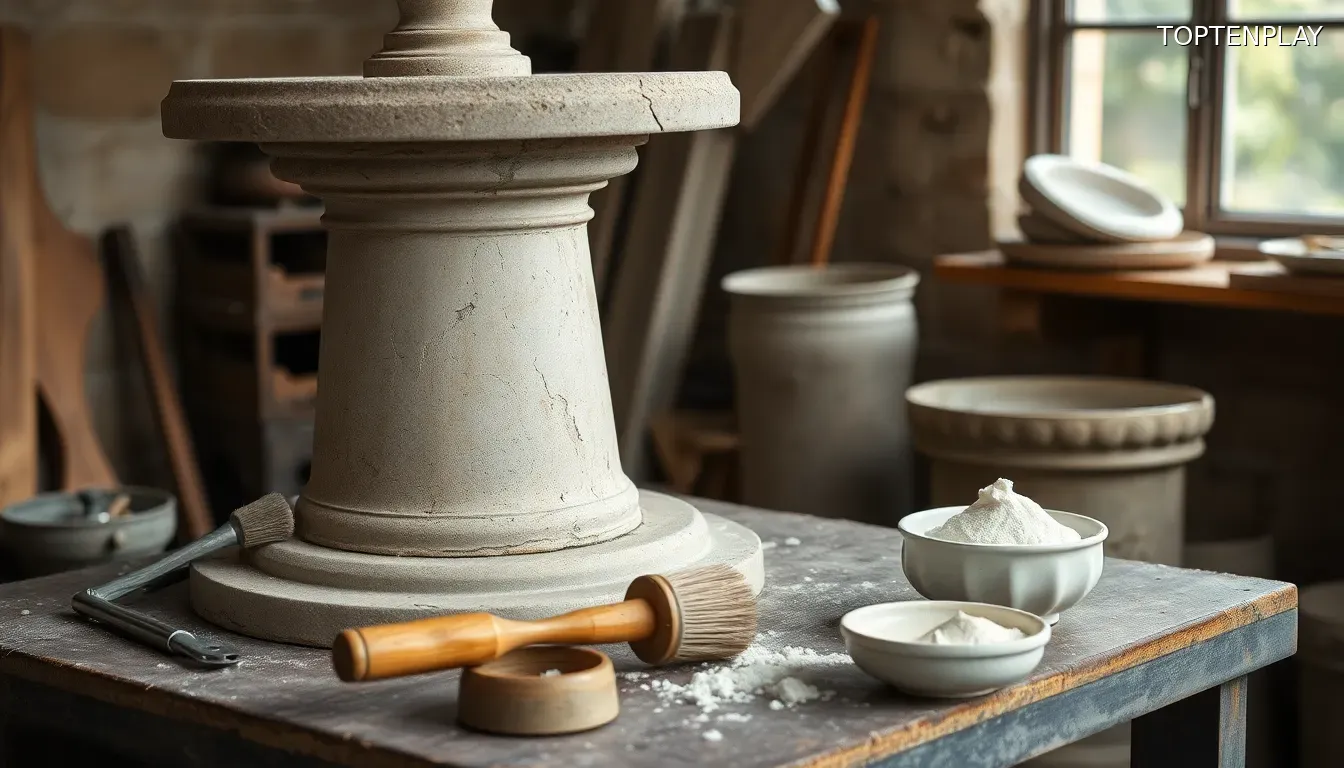
Image d’illustration © TopTenPlay EN
Aging And Finishing For Authentic Limestone Appearance
Once those crucial 48 hours elapse, the real artistry begins. Remove the inner bin and flip the outer container to extract your fountain base – now resembling raw limestone awaiting centuries of weathering. The wire brush attachment becomes your aging tool, roughing up the surface before complete curing to replicate the weathered patina of ancient stonework.
This distressing technique creates the irregular texture that distinguishes authentic limestone from modern replicas. The process demands immediate action while the hypertufa remains workable, allowing the wire brush to carve natural-looking imperfections and surface variations.
The extended curing protocol requires patience but delivers professional results. Mist the fountain regularly with water, cover with plastic, and allow two weeks of controlled curing. This moisture-retention method strengthens the material while preventing rapid drying that could cause cracks.
After two weeks, transition to a covered drying area like a garage for several additional days. This gradual moisture release completes the structural development while preparing the surface for the final transformation.
The authentic lime wash application creates the signature French travertine appearance. Mix hydrated lime with water in a precise 1:4 ratio until achieving cream-like consistency. This traditional technique, used on European limestone for centuries, requires protective gear – mask, eye protection, gloves, and disposable clothing due to lime’s caustic properties.
Apply the mixture liberally inside and outside, embracing thickness variations that enhance authenticity. Additional wire brush distressing after drying removes any overly perfect areas, while interior Flex Seal coating prevents future leaks.
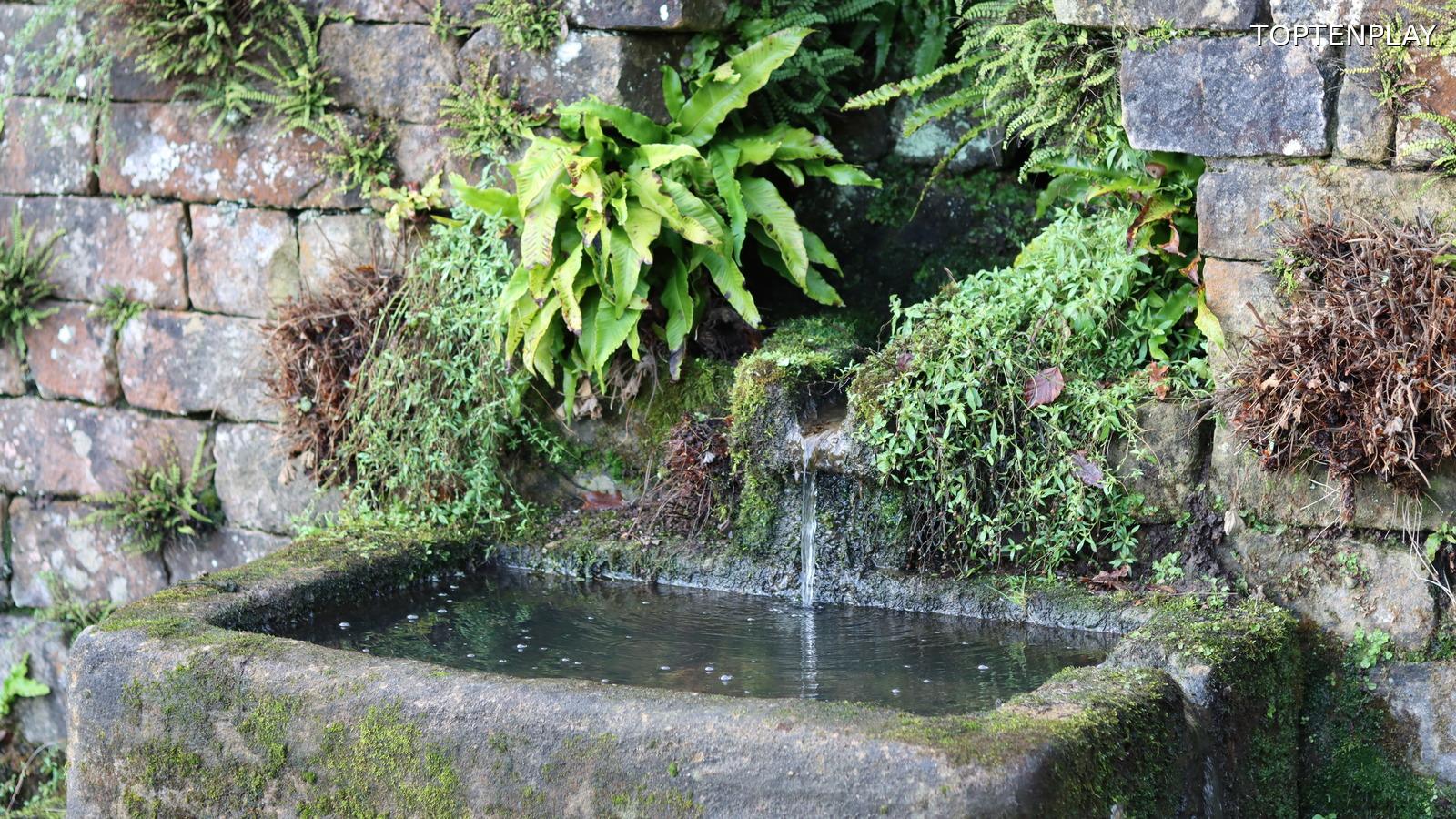
Image d’illustration © TopTenPlay EN
Installing The Water System And Copper Spouts
With the fountain shell perfected and sealed, the final transformation demands precision engineering to achieve authentic water circulation. The copper pipe spout system determines both visual impact and functional performance, offering flexibility between minimalist elegance and elaborate classical design.
For modest installations, a single copper pipe positioned over the pump tubing delivers understated sophistication. This streamlined approach suits contemporary garden settings while maintaining the French travertine aesthetic. However, ambitious projects benefit from the three-spout configuration that defines traditional European fountain design.
The elaborate three-spout element requires methodical assembly. Cut the base copper piece into four sections, connecting each with T-joints that support vertical pipes at three strategic points. Stabilization comes through additional T-joints at each end, creating cross-support arms that ensure structural integrity during operation.
Hardware stores stock the necessary copper pipes and fittings, making this upgrade accessible without specialized sourcing. The key lies in dry-fitting all components before permanent assembly, testing size compatibility within your hypertufa vessel while allowing adequate space for pump placement.
Liquid solder application transforms the test assembly into a waterproof fountain element. This professional-grade bonding agent creates seamless joints that withstand continuous water pressure without degradation. Connect plastic tubing to each end, incorporating a plastic T-joint at the midpoint to equalize water pressure across all three spouts.
This pressure equalization system prevents uneven flow that could compromise the fountain’s visual symmetry. Connect the T-joint directly to your pump, add the 3/4-inch fountain stopper plug, and complete your transformation from hypertufa shell to functioning French travertine masterpiece.