📌 Scallop and sea urchin royale: the gastronomic recipe in 1h20 to sublimate your festive meals
Posted 26 December 2025 by: Admin
Opening the Treasures of the Sea: Preparing the Scallops
The success of this royale rests on a fundamental gesture: the impeccable preparation of the scallops. This technical step, often neglected by amateur cooks, conditions the entire recipe. The chef reveals here a precise and methodical three-step process.
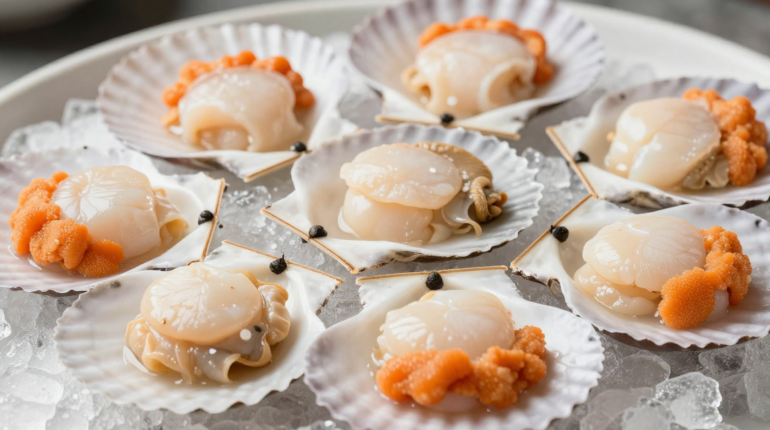
Opening the shells constitutes the first challenge. It involves delicately separating the scallops from the beards, those orange fringes that surround the meat. This distinction allows each component to be exploited according to its specific texture. Next comes the elimination of the small black ball, the non-edible digestive part that would alter the delicate taste of the mollusk. A simple but imperative gesture to guarantee gustatory purity.
Rinsing with clear water concludes this preparation. Contrary to popular belief, this step does not dilute the iodized flavors: on the contrary, it preserves the natural freshness of the product by eliminating any trace of sand or impurities. The scallops thus prepared reveal their pearly flesh, ready to welcome the creaminess of the royale and the intensity of the sea urchins that will accompany them.
This technical rigor transforms a raw product into an exceptional ingredient, an indispensable base for the luxurious assembly that characterizes this gastronomic creation.
The Luxurious Assembly: Marriage of Exceptional Products
This royale is distinguished by a triple alliance of noble products rarely brought together in the same preparation. Twelve scallops meet twelve sea urchins, creating an iodized dialogue of remarkable intensity. This equal proportion is not accidental: it guarantees the balance between the pearly sweetness of the scallop and the maritime power of the sea urchin.
Caviar, with its 30 grams, acts as a luxurious signature. Far from overwhelming the marine flavors, it amplifies them with its delicate salinity and buttery notes. Noilly Prat, this French white wine-based vermouth, brings a sophisticated aromatic dimension. Its 100 grams diffuse floral and herbaceous nuances that soften the iodized intensity without masking it.
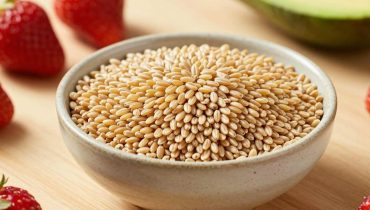
Quinoa, a surprising element in this high-end composition, plays an essential textural role. Its 100 grams offer a crunchy contrast to the velvety texture of the royale, while delicately absorbing the cooking juices. This South American grain, which has become a staple in modern gastronomy, also brings a subtle nutty note.
This orchestration of noble ingredients requires a creamy base to match, capable of binding these intense flavors without stifling them.
The Creamy Base: Secrets of the Perfect Royale
This connection of noble products rests on a balanced dairy formula of mathematical precision. Half a liter of 35% cream meets half a liter of whole milk, creating the perfect balance between richness and fluidity. This equal proportion is never the result of chance: too much cream would weigh the whole thing down, too much milk would dilute the marine flavors.
The six eggs constitute the structuring element of this royale. Their incorporation transforms the dairy mixture into a velvety preparation that delicately traps the iodized aromas. The twenty-minute cooking time, rigorously timed, allows this metamorphosis: the proteins coagulate gently, creating that characteristic texture between flan and set cream.
The 100 grams of butter, integrated sparingly, bring the final creaminess. This noble fat coats each bite with a melting sensation, while conveying the subtle flavors of Noilly Prat and caviar. The cooking temperature, never excessive, preserves this delicacy: a single degree too high would irremediably harden the texture.
This mastered base now awaits its final touches, those acidic details that will transform technique into a gustatory experience.
Acidic Finishes and Service for 6 Guests
Balanced acidity transcends this oceanic richness. Lime, nervous and sharp, opposes the finger lime whose pearls burst in the mouth with a distinctive vegetal freshness. This citrus duality is not ornamental: it literally cuts through the creaminess of the royale, awakening each layer of marine flavor buried under the cream and butter.
The six shallots, meticulously finely chopped, distill their sweet pungency throughout. Their discreet presence creates essential aromatic counterpoints, avoiding the gustatory saturation that the accumulation of noble products without opposition would cause. Each bite thus alternates between dairy sweetness, iodized explosion, and acidic vivacity.
The temporal orchestration reveals the demands of the dish: one hour of precise handling precedes twenty minutes of controlled cooking. This chronology allows no improvisation. The six portions, calibrated to individually sublimate the scallop-sea urchin-caviar trilogy, transform each plate into an autonomous gastronomic composition.
This technical mastery, from the opening of the shells to the last citrus drops, demonstrates how haute cuisine transforms exceptional products into a total sensory experience, where each element justifies its presence by its precise role in the final balance.