📌 Saint Patrick’s Day: why the best Irish dishes aren’t green (authentic recipes and traditions)
Posted 8 March 2026 by: Admin
Irish Classics Revisited: Beyond Green Folklore
Forget tinted pancakes and artificially colored bagels. Real Irish cuisine has never needed food coloring to exist. Robust, rustic, and comforting, it draws its strength from ancestral recipes that focus on substance rather than spectacle.
Corned beef and cabbage embodies this authenticity. Tender and flavorful, this iconic dish stands on its own without artifice. Its brisket version, slow-cooked until it melts under the fork, transforms any festive meal into a memorable moment. Alongside it, traditional colcannon is reinvented with mashed cauliflower, maintaining its creaminess while lightening the final note.
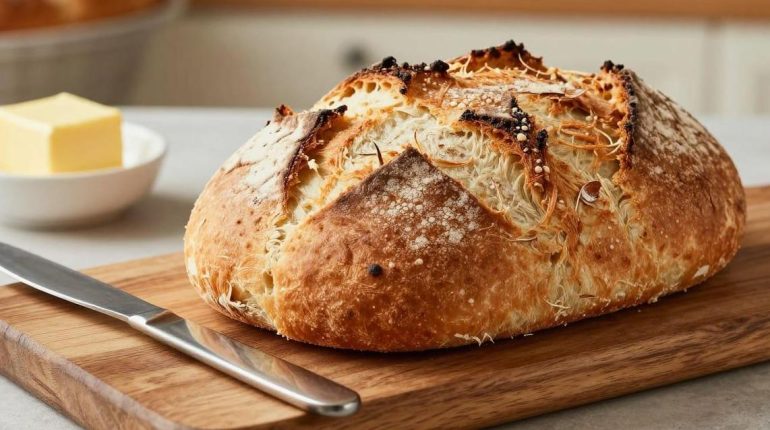
Irish soda bread perfectly illustrates this philosophy of simple and good. Without yeast or resting time, this quick bread develops a natural golden crust and a rustic crumb that owe nothing to chemistry. Generously buttered or dipped in morning coffee, it reminds us that the best culinary traditions are born from ingenuity in the face of constraint, not seasonal marketing.
These recipes share an obvious truth: authentic Irish cuisine has enough character to never depend on a few drops of green dye. It draws its richness from proven techniques and honest ingredients that, together, compose a taste experience far more satisfying than a simple festive color code.
The Boozy Dimension: When Alcohol Enhances Flavors
This Irish authenticity finds its natural extension in a tradition often reduced to caricature: the integration of alcohol in cooking. Far from opportunistic Saint Patrick’s Day shots, certain recipes prove that beer and whiskey possess real gastronomic legitimacy.
Guinness brownies illustrate this technical alchemy. The stout doesn’t overwhelm the chocolate with its presence — it subtly enhances it, intensifying the cocoa without dominating it. The result: a moist texture and a depth of flavor that butter alone could not produce. Alcohol acts as a flavor enhancer, not a marketing gimmick.
Chocolate whiskey cake continues this refined logic. The warmth of the whiskey envelops the melting chocolate without ever tipping into festive excess. This dessert generates enough recipe requests to confirm an obvious fact: when alcohol serves technique rather than folklore, it creates a memorable experience.
Even the Whiskey Smash, a minimalist cocktail with fresh lemon and mint, relies on balance rather than overstatement. Simple and refreshing, it celebrates the main ingredient without drowning it in sugar or artifice.
This technical approach to alcohol in cooking reveals a broader philosophy: Irish tradition deserves better than cheap stereotypes. It demands respect, precision, and a fine understanding of what transforms simple ingredients into true moments of gustatory pleasure.
The Anti-Coloring Approach: A Deliberate Culinary Philosophy
This demand for substance over appearance is part of a deliberate rejection of superficial marketing. The green bagels, dyed pancakes, and fluorescent drinks of childhood belong to an era when color took precedence over flavor. A bygone era.
Authentic Irish cuisine has its own natural hues: the golden crust of Irish soda bread, the deep brown of Guinness brownies, the dark red of corned beef. These colors tell a story of caramelization, Maillard reaction, and chemical transformation — not artificial manipulation.
This refusal of green food coloring goes beyond simple aesthetic preference. It reveals an editorial conviction: Irish tradition deserves better than a few drops of E102 in a pancake batter. It calls for an approach that honors robust flavors, rustic textures, and true comfort.
Even festive moments with sprinkles — accepted with a hint of nostalgia — do not justify sacrificing gustatory integrity. Irish cuisine has so much more to offer than a parade of artificially greened dishes. It offers a culinary identity built on centuries of expertise, not on fleeting marketing trends.
This anti-coloring philosophy then becomes a statement of principle: celebrating a holiday does not require betraying what it represents. Authenticity remains the best tribute.
Practicality And Accessibility: Recipes Without Complications
This claimed authenticity never sacrifices simplicity of execution. Irish soda bread perfectly illustrates this approach: without yeast or rising time, it is prepared in a few steps. A philosophy that demystifies Irish festive cooking and makes it accessible to the modern home cook.
Corned beef, often considered intimidating, turns out to be “surprisingly easy to make.” The same goes for the Whiskey Smash: lemon, mint, whiskey. Three ingredients, a balanced cocktail. This technical simplicity frees up time and reduces stress in the kitchen.
The website’s editorial approach is based on a clear promise: helping millions of people cook healthier meals that really taste good, without overthinking. With over 190,000 books sold, this method has proven its effectiveness. It meets a concrete demand: save time, dirty fewer dishes, and feel good about what you eat.
Irish tradition thus adapts to contemporary constraints. No need for sophisticated equipment or complex techniques to honor a culinary heritage. Just quality ingredients, precise instructions, and the desire to cook something real.
This accessibility transforms Saint Patrick’s Day into a culinary opportunity rather than a logistical challenge. The recipes become invitations to pleasure, not obstacles to overcome.