📌 Rosemary spray: studies reveal results comparable to 2% minoxidil for promoting hair growth
Posted 13 March 2026 by: Admin
The Ancestral Origins Of Rosemary And Its Hair Properties
Plant-based cosmetics are making a strong comeback. After decades dominated by synthetic formulas, traditional plant-based approaches are once again appealing to consumers seeking natural solutions. Among these rediscovered remedies, rosemary hair spray is emerging as one of the most promising alternatives.
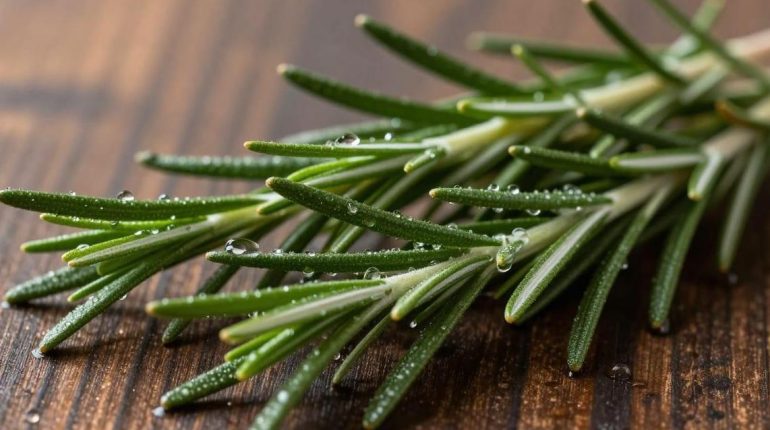
This fragrant Mediterranean herb, Salvia rosmarinus, has accompanied humanity for generations in its domestic beauty rituals. Long before the industrial era, our ancestors were already using this plant to strengthen their hair and maintain a healthy scalp. This empirical knowledge, passed down from mother to daughter for centuries, is now attracting the attention of modern scientific research.
Laboratories are progressively revealing what herbalists sensed: rosemary contains a remarkable concentration of active compounds. Natural antioxidants, anti-inflammatory substances, aromatic essential oils, and polyphenols together form a sophisticated botanical cocktail. These molecules create an optimal environment for hair follicles, promoting their activity and vitality.
The main scientific hypothesis concerns the stimulation of blood circulation in the scalp. Better irrigation would allow follicles to receive more oxygen and essential nutrients, two determining factors for maintaining strong and resilient hair. This simple mechanism would explain why so many different cultures have integrated rosemary into their ancestral hair traditions.
The Proven Benefits Of Rosemary For Hair Growth
This millenary tradition has just received a resounding scientific validation. A comparative study revealed that rosemary oil produces results similar to 2% minoxidil, the conventional treatment widely prescribed for hair loss. After several months of regular application, both groups of participants noted comparable improvements in their hair density.
This discovery places rosemary among credible natural alternatives, supported by tangible clinical data. The mechanism of action relies mainly on improving scalp blood circulation. Optimal irrigation allows hair follicles to receive the oxygen and nutrients necessary for their optimal functioning, thus creating favorable conditions for healthy growth.
The observed benefits go beyond simple growth stimulation. Regular users report a notable reduction in daily shedding, attributed to the maintenance of follicular activity. The polyphenols and antioxidants present in rosemary also protect hair cells against oxidative stress, the invisible factor that progressively alters hair vitality.
Aesthetic improvement is a welcome side effect: strands gain resistance, natural shine is enhanced, and the overall balance of the scalp is optimized. These progressive transformations, visible after several weeks of constant use, explain why so many natural enthusiasts are now integrating this botanical spray into their daily routine.
Homemade Production: Recipe And Application Of Rosemary Spray
This scientific validation finds its most accessible application in the preparation of a homemade spray, which is surprisingly simple to make. Unlike expensive commercial formulations, this artisanal version requires only two ingredients: 2 to 3 sprigs of fresh rosemary and 500 ml of water. The ancestral method has remained unchanged for generations.
The manufacturing process follows five precise steps. Bring the water to a boil, add the rosemary sprigs, then simmer for 3 to 5 minutes. Then remove from heat and let infuse for an additional 20 minutes to extract all the active compounds. Filter the cooled liquid and transfer it to a clean spray bottle. This preparation keeps for 5 to 7 days in the refrigerator, requiring regular production to guarantee its freshness.
Application requires a specific technique to maximize effectiveness. Spray directly onto the scalp, then gently massage with fingers for 1 to 2 minutes to promote penetration and stimulate local circulation. No immediate rinsing is required: nighttime application remains the preferred method, allowing the botanical infusion to act for several hours.
The recommended frequency varies according to individual needs, ranging between daily use and several weekly applications. This flexibility allows the hair ritual to be adapted without disrupting established routines, progressively integrating this natural tonic whose effectiveness relies on consistency rather than occasional intensity.
Essential Precautions And Realistic Perspective
This regularity of application nevertheless requires constant vigilance regarding potential skin reactions. Before any first use, a preliminary skin test is essential: apply a few drops to the inside of the wrist and wait 24 hours to detect any irritation. This elementary precaution avoids unexpected allergic reactions on an area as sensitive as the scalp.
The major mistake is confusing rosemary water with pure essential oil. Concentrated essential oils, applied directly without dilution, frequently cause severe burns and inflammation. The aqueous version described previously has an infinitely gentler concentration, suitable for direct skin contact. In case of redness, itching, or discomfort, discontinue use immediately.
Transparency also requires addressing the inherent limits of this natural remedy. Despite the encouraging comparative study with minoxidil, results vary considerably among individuals. Genetic factors, type of hair loss, general health status: these variables directly influence the treatment’s effectiveness. Rosemary spray is not a universal miracle solution, but rather a gentle supplement supporting overall scalp health.
In the face of persistent alopecia, significant thinning areas, or sudden and massive hair loss, consulting a dermatologist remains indispensable. Certain hair pathologies require a precise medical diagnosis and specific treatments that botanical remedies cannot replace.