📌 Red lentil dahl: how to succeed with this creamy Indian dish in 40 minutes flat
Posted 9 January 2026 by: Admin
A Comforting Plant-Based Base: Red Lentils And Fresh Spinach
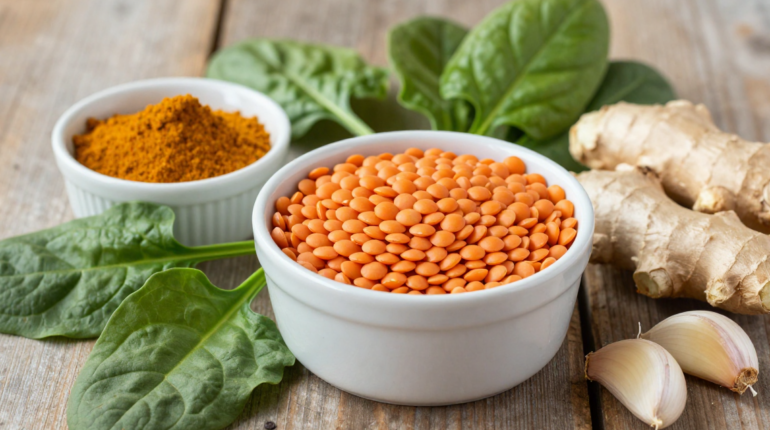
This vegetarian dahl combines 300 g of red lentils and 250 g of fresh spinach in a nutritious alliance that is as generous as it is tasty. The balance rests on a powerful aromatic trio: onion, garlic, and 2 cm of fresh ginger, which lay the flavor foundations of the dish. This plant-based base delivers protein and iron in a bowl where creamy sweetness and spicy character mingle.
The magic happens in the liquid combination: 40 cl of coconut milk brings creaminess, 30 cl of water regulates the texture, while 400 g of crushed tomatoes establish a balanced acidity. These three components merge to create a velvety sauce that coats the lentils during cooking. The curry powder (2 tablespoons) diffuses its warm notes through this generous mixture.
For three guests, this recipe by Annelyse Chardon for Interfel requires 10 minutes of preparation and 30 minutes of cooking. Forty minutes flat separate the raw ingredients from the steaming dish, traditionally served with rice and sprinkled with crushed cashew nuts. A disconcerting simplicity for a result that evokes authentic Indian kitchens, without artifice or technical complication.
The Foolproof Technique: Progressive Aromatic Construction
Cold water removes starch from the red lentils before they meet the hot oil. This prior rinsing guarantees an optimal texture, avoiding the pastiness that threatens this type of legume. A tablespoon of sunflower oil heats over medium heat in a large saucepan, welcoming the chopped onion for five minutes of solitary cooking.
This first step builds the flavor foundations. The onion becomes translucent, releases its natural sugars, and prepares the aromatic ground. The minced garlic, grated ginger, and two spoons of curry then join the dance for exactly one minute. This precise timing allows the spices to reveal their essential oils without burning, while salt amplifies every scent.
The lentils then dive into this aromatic bed, followed by water, crushed tomatoes, and coconut milk. The mixture is brought to a boil before the heat is lowered for a covered simmer of twenty minutes. The pot requires regular attention: a few stirs prevent sticking to the bottom and ensure even cooking. The lentils gradually soften, absorb the creamy sauce, and soak up the spices that now permeate every grain. This quiet phase transforms distinct ingredients into a unified preparation, ready to welcome the fresh greens.
The Final Integration: Wilted Spinach And Velvety Texture
After twenty minutes have passed, the 250 grams of fresh spinach make their entrance after a thorough washing. This strategic timing preserves their bright color while allowing for their complete transformation. Thrown directly into the bubbling preparation, they wilt upon contact with the heat, lose their initial volume, and wrap around the lentils soaked in coconut milk.
Ten additional minutes are enough for them to melt completely. The pot remains covered; the trapped steam accelerates the process. The green leaves release their constituent water, enriching the sauce with a fresh vegetable note that contrasts with the warm spices. Regular stirring during this final phase guarantees uniform distribution and prevents the spinach from clumping into compact masses at the bottom of the container.
The texture evolves toward the desired velvetiness. The lentils partially break down, creating a natural creamy consistency amplified by the coconut milk. The melted spinach brings a silky dimension, emerald green nuances that punctuate the orange of the lentils. This careful monitoring until the end of cooking ensures a homogeneous dahl, where each element retains its identity while participating in the overall harmony. The dish reaches its gustatory and visual peak, ready to reveal its potential during service.
Service And Personalization: Expert Tips
The steaming dahl calls for its natural setting: a bed of basmati or Thai rice, whose long grains absorb the smooth sauce. The crushed cashew nuts sprinkled on top provide the essential textural contrast, their buttery crunch balancing the creamy sweetness of the dish. A few shards are enough, dry-roasted for thirty seconds to exhale their toasted aromas.
Annelyse Chardon’s tip for Interfel transforms the bold: replace the two tablespoons of commercial curry with a homemade blend of two teaspoons of turmeric, one teaspoon of cumin, one of coriander, and a pinch of chili. This artisanal composition refines every aromatic note, allowing the spicy power to be precisely adjusted to the palate. Turmeric dominates with its characteristic golden hue, cumin brings its earthy warmth, coriander its lemony freshness, and chili its controlled liveliness.
This freedom of adaptation reveals the inherent flexibility of dahl. Some will integrate lime wedges squeezed at the last moment, others will prefer a touch of plant-based heavy cream. The dish lends itself to personal variations while retaining its Indian soul, demonstrating that plant-based cooking goes far beyond pre-established standards to embrace individual creative expression.