The daily habits science links to avoiding all five conditions
Harvard Health recommends that adults complete at least 150 minutes of moderate physical activity each week. Even smaller commitments matter: according to The Times, a brisk 10-minute daily walk is associated with a 15% reduction in the risk of early death. Regular movement strengthens the heart, lungs, muscles, and bones while lowering the risk of heart disease, stroke, and diabetes.
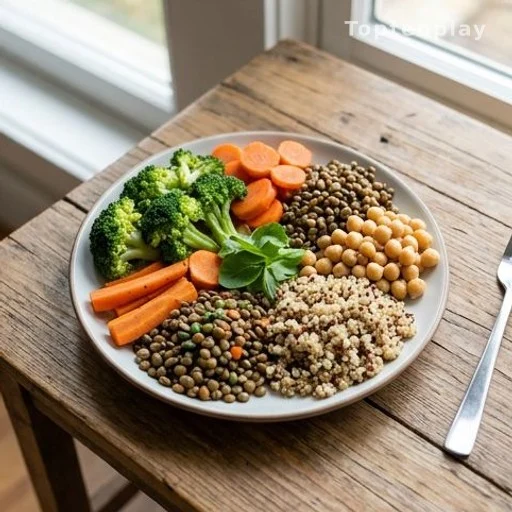
Diet plays an equally central role. The Times of India reports that the Mediterranean and plant-based diets are considered among the most protective against chronic disease, owing to their high antioxidant and anti-inflammatory content. Reducing ultra-processed foods and sugar helps stabilize blood sugar, lower inflammation, and support gut health.
Sleep is the period during which the body performs biological repairs — clearing toxins, rebalancing hormones, and healing tissue. Chronic stress, by contrast, accelerates the aging process. Practices such as meditation, mindfulness, and maintaining active social connections are linked to reduced stress and better long-term health outcomes. Loneliness, the source notes, is directly associated with a higher risk of chronic disease and premature death.
Avoiding smoking, limiting alcohol, and minimizing exposure to harmful chemicals round out the picture. These are not isolated recommendations — together, they represent the 80% of longevity that, according to National Geographic, lies outside genetic inheritance and within our own control.
Taken together, the data from the WHO, Harvard Health, and National Geographic point to the same conclusion: the absence of these five diseases by age 60 is less a matter of luck than the cumulative result of thousands of small, deliberate choices — in what we eat, how we move, how we sleep, and how we manage stress.
Suggested Posts
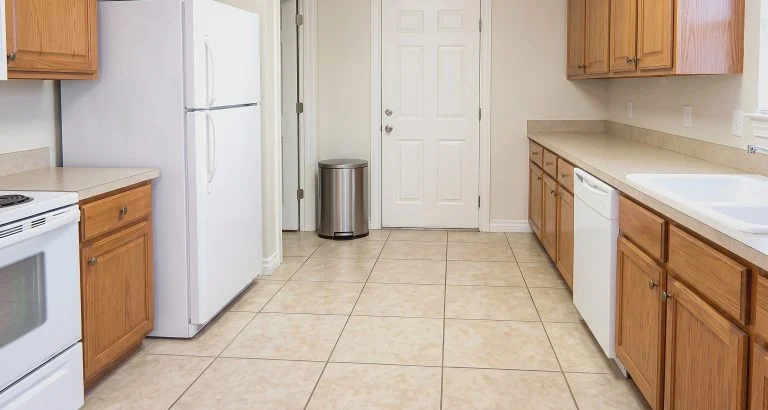
Can you spot the large dog hiding in this kitchen photo?
A photo shared by Christina Suvo and reported by 7 News Perth has been fooling viewers around the world: what looks like a perfectly…