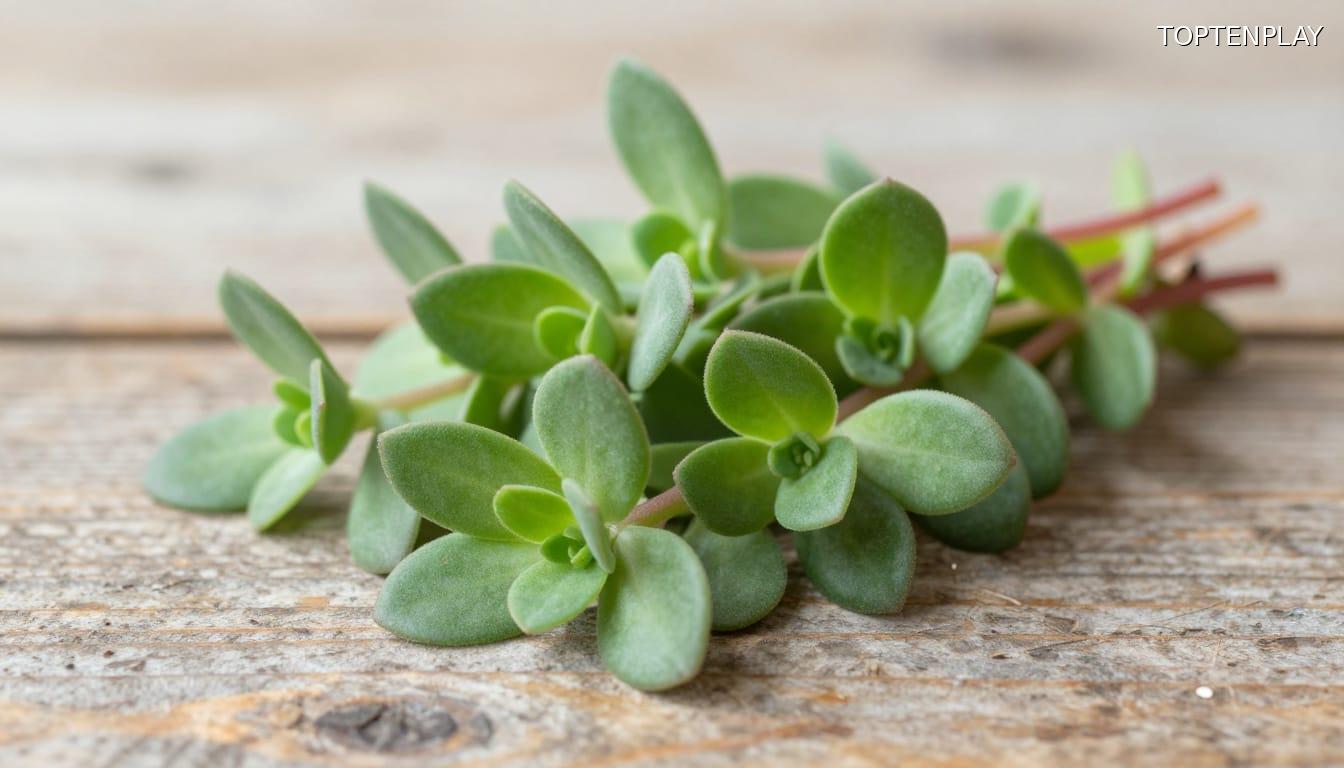
Purslane: From “Weed” Status To Misunderstood Superfood
In gardens and on sidewalks, a discreet plant suffers the same fate daily: uprooted, trampled, unceremoniously discarded. Purslane embodies this troubling botanical paradox where ignorance dictates action. Considered an undesirable intruder, this herbaceous plant with fleshy stems nevertheless hides a nutritional density that surpasses many carefully cultivated vegetables.
The irony reaches its peak when analyzing its composition: vitamins A, C, and E, essential minerals, rare bioactive compounds. What thousands of gardeners throw into the compost could transform their nutritional balance. Purslane occupies a unique position in the plant kingdom, concentrating nutrients usually sought in expensive or exotic food sources.
This resilient plant, capable of thriving without human intervention, possesses precisely the qualities that modern nutrition values: richness in antioxidants, a favorable lipid profile, bioavailable minerals. While the agri-food industry develops sophisticated supplements, this misunderstood superfood grows freely, accessible to all, ignored by almost everyone. The distance between perception and reality has never seemed so absurd. This bad reputation conceals a therapeutic potential that scientific research is only beginning to document with precision.
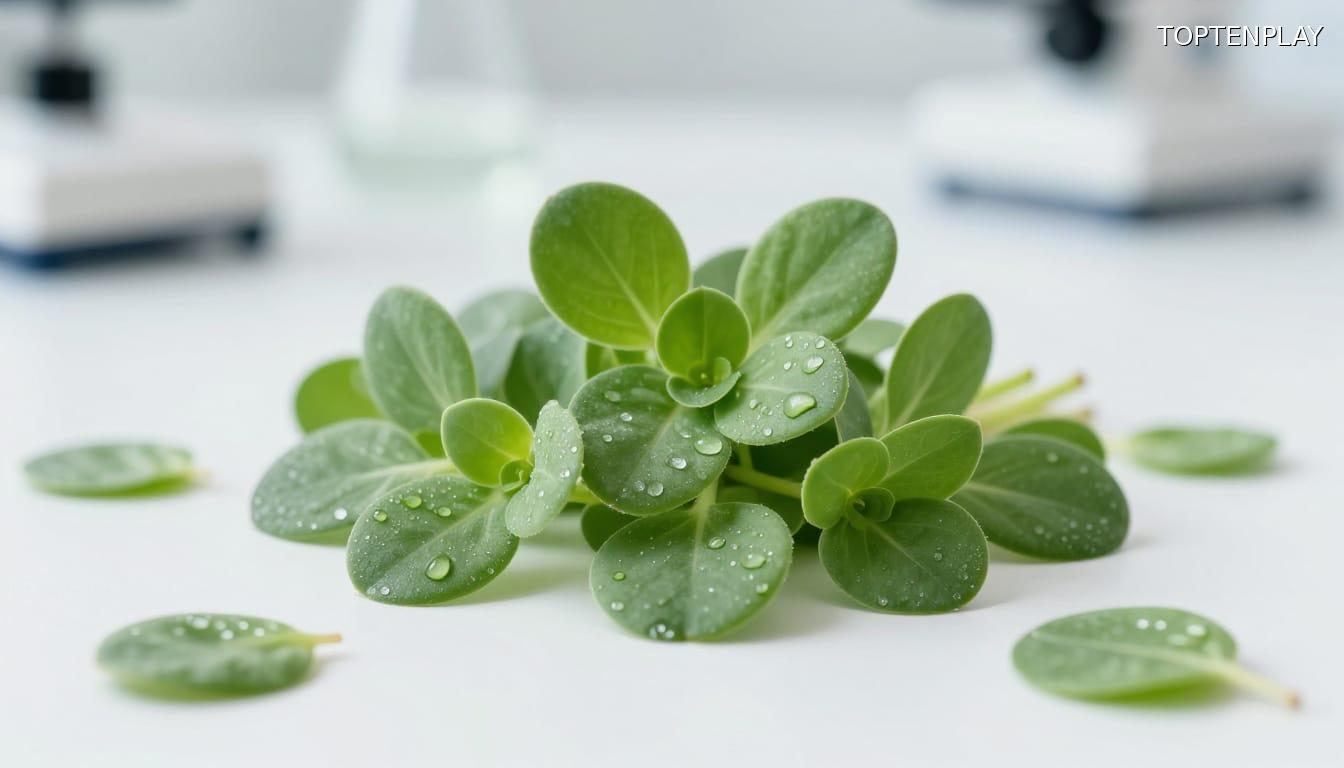
Omega-3 Fatty Acids And Antioxidants: Purslane’s Cardio-Protective Arsenal
This documented nutritional wealth is based on precise, measurable compounds with proven physiological effects. Purslane is particularly distinguished by its content of alpha-linolenic acid, a rare plant form of omega-3 generally absent from non-marine sources. This peculiarity positions it as an accessible alternative for those avoiding fatty fish or derived supplements.
Alpha-linolenic acid acts directly on cardiovascular health: reduction of vascular inflammation, improvement of membrane fluidity, reduction of thrombotic risks. Clinical studies confirm its protective role against heart disease, while its action on cognitive functions is now of interest to neurology researchers.
But purslane does not limit its potential to these essential fatty acids. Its antioxidant arsenal combines vitamins A, C, E, and glutathione, crucial molecules in neutralizing free radicals. These compounds slow down cellular oxidative stress, a process involved in premature aging and the appearance of chronic diseases such as diabetes, cancers, or neurodegenerative pathologies.
This synergy between omega-3 and antioxidants creates a multiplied protective effect: the former reduce systemic inflammation, the latter preserve cellular integrity. Result: a common plant offers cardiovascular protection comparable to elaborate nutritional protocols. The body benefits simultaneously from a defense against oxidative attacks and fundamental metabolic support, without requiring complex formulations or significant expense.
Anti-Inflammatory Properties And Dermatological Applications
This documented cellular protection finds concrete therapeutic applications, particularly in the management of chronic inflammation. The omega-3 fatty acids and bioactive compounds in purslane act directly on inflammatory mediators, reducing their production at the systemic level. This measurable action is specifically of interest to people suffering from arthritis and recurring joint pain.
Observational studies reveal that regular consumption of purslane decreases blood inflammatory markers, notably pro-inflammatory cytokines involved in rheumatic pathologies. Beyond symptomatic relief, this inflammatory modulation contributes to the prevention of chronic diseases for which inflammation constitutes the pathological foundation: type 2 diabetes, cardiovascular diseases, certain cancers.
But the antioxidants in purslane do not limit their action to the internal environment. Applied directly to the epidermis via cosmetic preparations or traditional poultices, they exert a documented skin regenerative action. Vitamin E protects dermal cell membranes, vitamin C stimulates collagen synthesis, while glutathione accelerates healing processes.
This double action, internal and external, positions purslane as a functional ingredient in natural cosmetics: improvement of skin elasticity, reduction of signs of photo-aging, acceleration of post-lesion tissue repair. A common plant thus offers tangible therapeutic benefits without resorting to complex pharmaceutical formulations or invasive protocols.
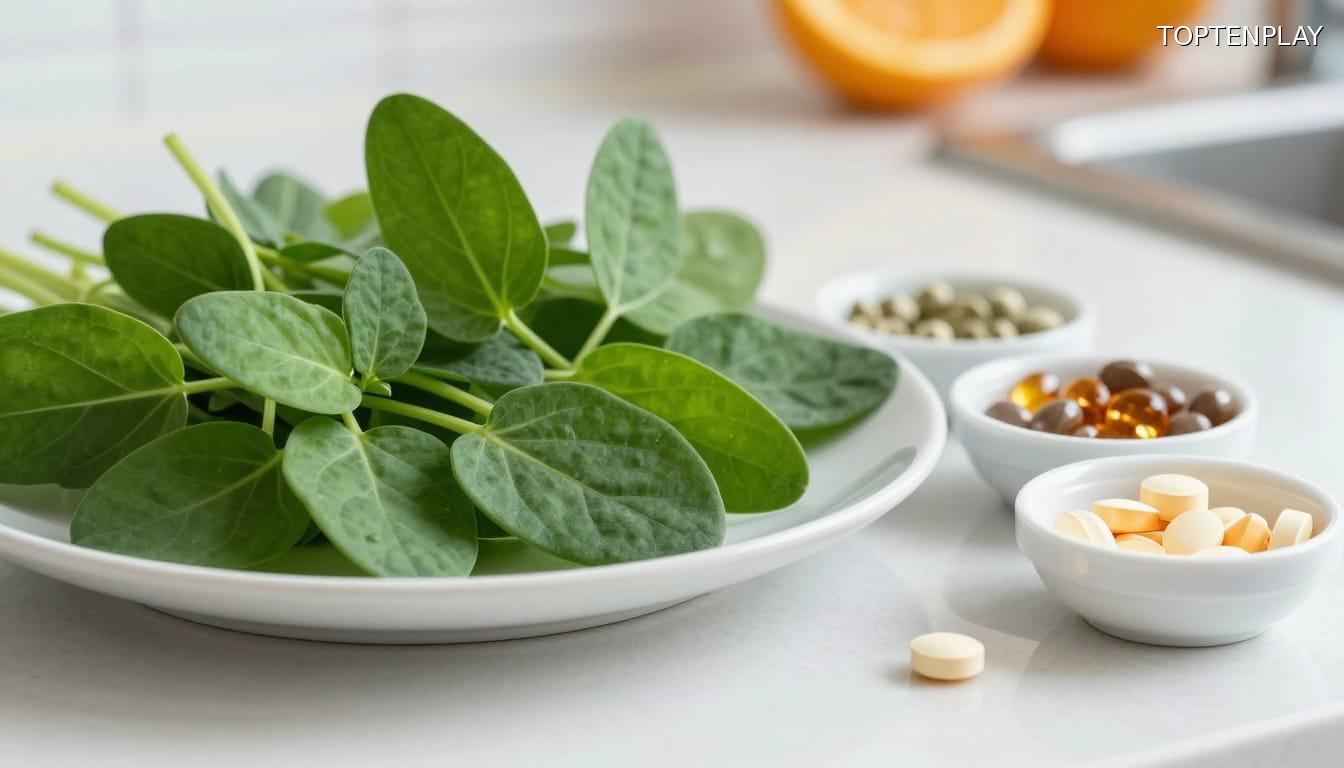
Mineral Density And Immune Strengthening: A Complete Nutritional Profile
Beyond these dermatological applications, purslane reveals an exceptional mineral composition that completes its therapeutic arsenal. Nutritional analyses quantify high concentrations of calcium, magnesium, potassium, and iron, four essential minerals often deficient in the modern Western diet.
Calcium and magnesium are directly involved in bone mineralization and the prevention of osteoporosis, particularly in post-menopausal women. Potassium regulates blood pressure by counterbalancing the effects of sodium, while iron prevents iron-deficiency anemia by ensuring optimal oxygen transport to tissues. This mineral synergy simultaneously supports bone health, muscle function, and basal cellular metabolism.
But purslane also stands out for its remarkable vitamin C content, exceeding that of many cultivated vegetables. This water-soluble antioxidant strengthens natural immune defenses by stimulating the production and activity of leukocytes, the first line of defense against bacterial and viral infections.
Vitamin C also facilitates the intestinal absorption of plant-based iron, creating internal nutritional complementarity. It simultaneously accelerates the regeneration of damaged connective tissues, optimizing healing processes already supported by fat-soluble antioxidants. This convergence of bioactive nutrients makes purslane a true functional food, capable of exerting measurable physiological effects beyond simple nutrition.