
The Hidden Meaning Of Purple Fences
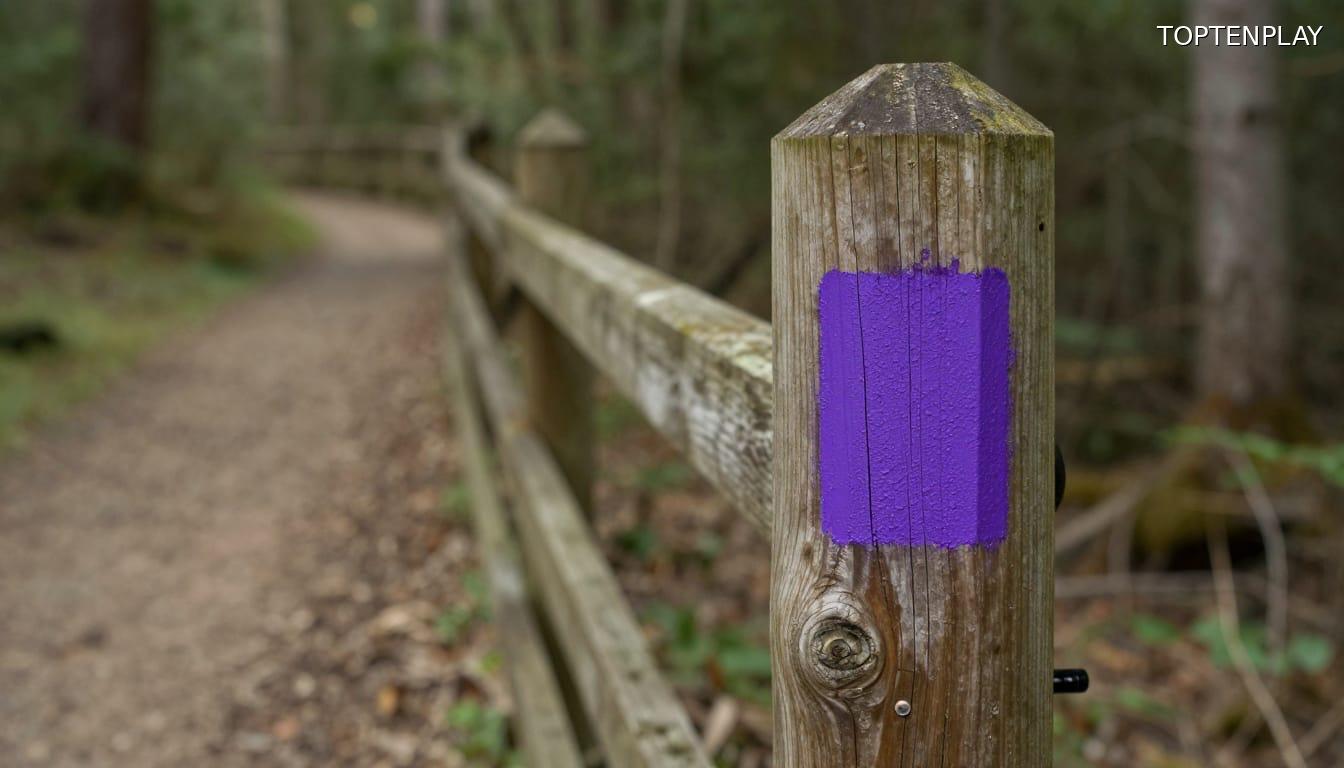
During your next hikes in the heart of nature, a fence painted purple might catch your attention. Far from being a simple aesthetic choice, this unusual color conveys a precise message: private property, access strictly prohibited. This visual code, unknown to the general public, has its roots in ancient forest trail marking practices, when explorers marked their way through dense woods to guide hikers.
Purple has established itself as the ideal color for this signage thanks to its exceptional visibility in the natural environment. Unlike shades that blend into the landscape, this bright tone stands out immediately, even from a distance. A crucial advantage: this shade remains perfectly recognizable to people with color blindness, guaranteeing universal accessibility of the prohibition message.
This method of territorial marking represents a major evolution in communication between landowners and walkers. Where traditional signs could be confusing or go unnoticed, purple paint establishes a clear and immediate visual boundary. For savvy hikers, crossing this distinctive color means only one thing: turn back before crossing the border of a private property.

The Evolution Of Territorial Marking Methods
Before the adoption of purple, landowners fixed metal, plastic, or cardboard signs on fence posts or tree trunks to delimit their land. These traditional supports displayed explicit messages such as “Private Property” or “No Trespassing,” intended to deter any unauthorized intrusion.
However, this approach had major flaws. Weather conditions gradually degraded these signs: rain washed away the inscriptions, wind tore them off, and frost cracked fragile materials. Vandals saw them as easy targets to damage, while some walkers stole them as souvenirs or out of simple negligence. The result: faulty signage that left property boundaries blurred and questionable.
Faced with these repeated failures, purple paint has emerged as a permanent and economical solution. Applied directly to the wood of fences or trees, it resists extreme weather conditions without requiring constant replacement. This method eliminates the risk of theft and guarantees a lasting visual presence, significantly reducing maintenance costs for owners while strengthening the effectiveness of the prohibition message.

The Technical Advantages Of Purple Marking
This weather resistance of the paint is only the first asset of a system designed for maximum efficiency. Purple stands out visually in all natural environments: unlike green or brown tones that blend into the forest landscape, this bright color contrasts radically with the surrounding vegetation. Even at a distance or in low light, a hiker immediately spots these marks, eliminating any ambiguity about territorial limits.
Universal accessibility reinforces this efficiency. People with red-green color blindness, the most common form of this visual deficiency, perceive purple perfectly. This characteristic ensures that the prohibition message reaches all walkers without exception, unlike red or orange signs often confused with their environment by some individuals.
On the economic front, the argument becomes unstoppable. A single pot of paint can mark dozens of trees or posts, with a longevity of several years without intervention. Landowners avoid repeated purchases of signs, replacement costs after vandalism, and constant trips to check the status of their signage. This simplicity of application transforms a recurring maintenance chore into a one-off operation, freeing up time and resources while guaranteeing constant legal protection of their land.
Legal And Practical Implications For Hikers
This economic and visual protection is accompanied by a legal force that every outdoor enthusiast must know. In several American states, purple marking has the same legal value as a “Private Property – No Trespassing” sign. Crossing a boundary marked in this way constitutes a clear intrusion, exposing the offender to civil or criminal prosecution depending on local legislation. Courts recognize this colored signage as evidence of a clear warning, eliminating any argument of ignorance on the part of the hiker.
The consequences vary by jurisdiction but generally follow a predictable progression. A first intrusion may result in a simple warning or a minor fine, while repeat offenses increase the penalty to charges of trespassing. Some owners install surveillance cameras complementing the purple marking, documenting infractions to strengthen their legal recourse.
Faced with this legal reality, caution is required during nature explorations. Spotting a purple mark on a tree, a post, or a fence requires an immediate stop and turning back. Wise hikers consult land maps before their outings, identifying public areas where movement remains authorized. This elementary vigilance prevents conflicts with landowners and guarantees nature adventures without unexpected legal complications.