📌 Perfect hard-boiled eggs: why five-star chefs always start with boiling water
Posted 30 January 2026 by: Admin
The Error Everyone Makes Without Knowing It
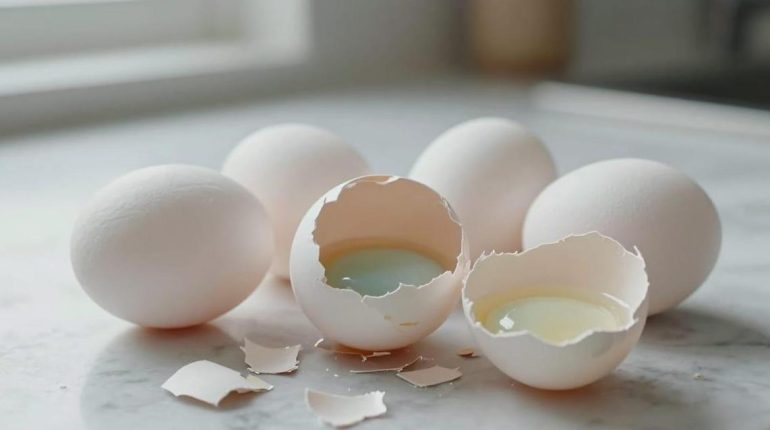
Plunging cold eggs into cold water before bringing it all to a boil: this method passed down from generation to generation sabotages your preparations. The result? Shells that burst during cooking, rubbery whites, yolks that turn gray-green, and peeling that borders on torture.
This obsolete technique systematically generates overcooked whites while the yolks develop that greenish ring characteristic of poorly controlled cooking. Worse still: the shell adheres to the membrane, turning every peeling session into an obstacle course strewn with torn pieces.
Professional chefs abandoned this approach long ago. In five-star hotel kitchens, a radically different technique guarantees perfect eggs every time. No need for sophisticated equipment or special skills: just a shift in perspective that changes everything.
The secret lies in reversing the traditional process. Instead of starting from cold, professionals start with boiling water and apply a series of precise adjustments that eliminate all the problems encountered with the classic method. This simple revelation transforms a frustrating daily task into a guaranteed success.
A Starred Chef’s 5-Step Technique Revealed
This professional method is based on a counter-intuitive principle: start with boiling water. Bring your pot to a boil before introducing the eggs. This inversion guarantees even cooking and prevents the shell from adhering to the membrane.
Add one to two teaspoons of white vinegar to the boiling water. This ingredient instantly firms the whites and limits damage if a shell cracks during cooking. Meanwhile, take a clean needle or a thumbtack and gently pierce the wide side of each egg. This action releases trapped air and perfectly centers the yolk.
Then submerge the eggs using a slotted spoon. The gradual descent avoids brutal thermal shocks. Start your timer according to the desired texture: 6 minutes for a runny yolk, 8 minutes for a creamy consistency, 10 minutes for a firm cook.
Timing precision makes all the difference. Each additional minute modifies the yolk’s texture, while early removal preserves that much-sought-after golden creaminess. This timed rigor transforms a risky approximation into an exact science accessible to everyone.
The Ice Bath: The Trick That Changes Everything
As soon as the timer rings, immediately transfer the eggs to a bowl filled with ice water. This thermal shock stops the residual cooking in its tracks, which would otherwise continue to harden the yolk for several minutes. Without this rapid intervention, you lose the creamy texture obtained by the precise timing of the previous step.
Let them rest for a minimum of 5 minutes in ice. This duration is non-negotiable: it allows the inner membrane to contract and detach completely from the shell. The cold also firms the whites, creating a clear separation between the different layers of the egg.
This brutal cooling produces a double mechanical effect. On one hand, the condensation of moisture between the shell and the membrane acts as a natural lubricant. On the other hand, the difference in density between the materials creates a micro-space that facilitates peeling. Result: the shell slides off in one piece, without those stuck fragments that ruin the presentation.
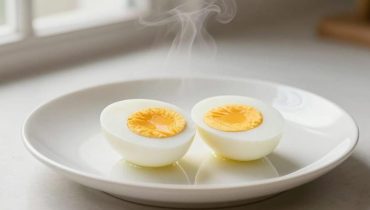
The ice bath also guarantees that creamy golden yolk without a trace of a grayish ring. This discoloration comes from a chemical reaction between the iron in the yolk and the sulfur in the white during prolonged cooking. By instantly blocking the temperature rise, you preserve the vibrant color and velvety texture that professionals seek.
Enthusiastic Feedback And The Pros’ Bonus Tip
Since the release of a viral video capturing this technique in the kitchens of a 5-star hotel, testimonials have been pouring in. “The shell slides off all by itself, like magic,” reports one user. Another specifies: “The yolk stays creamy every time, without that chalky texture I used to hate.” This feedback confirms that the protocol works regardless of your cooking level.
Chefs add a tip little known to the general public: prefer eggs that are 5 to 7 days old rather than ultra-fresh for boiling. Over time, the pH of the egg naturally increases, which modifies the structure of the inner membrane. This chemical transformation considerably facilitates the detachment of the shell during peeling.
Freshly laid eggs, excellent for fried or poached eggs, adhere more to their protective membrane. By letting your eggs age slightly in the refrigerator before cooking them, you mechanically optimize their preparation. Note the purchase date on the box to anticipate the ideal moment.
This professional-validated method applies to all daily uses: express breakfasts, mixed salads, lunch bentos, or appetizer platters. Mastering this technique permanently eliminates guesswork and guarantees results worthy of hotel service, without specialized equipment or special skills.