📌 Pen Stains on Office Furniture: How Rubbing Alcohol and Baking Soda Outperform Commercial Cleaners
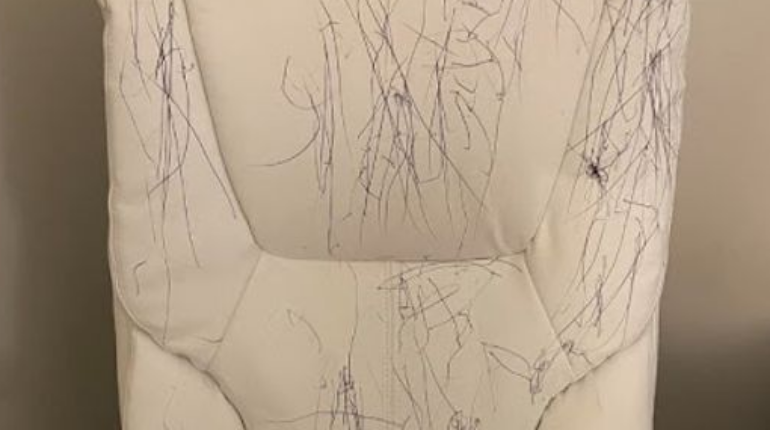
Posted 10 December 2025 by: Admin
Image d’illustration © TopTenPlay EN
The Relatable Reality Of Ink Accidents In Home Offices
Picture this: you walk into your home office with coffee in hand, ready to tackle the morning’s deadlines, only to spot a bold blue pen streak across your pristine white desk. Your heart sinks. Between juggling work, managing household chaos, and keeping up with your children’s homework schedules, discovering a fresh ink stain feels like the final blow to an already overwhelming day.
This moment of panic is familiar to countless busy professionals and parents. A pen leaks while you’re taking notes. A child grabs your favorite gel pen during homework near your workspace. You brush an uncapped marker against the furniture without thinking. Whatever the cause, that instant of dread is universal—and completely justified by years of conditioning to believe permanent damage has occurred.
But here’s the reassuring truth: pen stains are almost always fixable, often with nothing more than household items already sitting in your kitchen or bathroom cabinet.
The reason for this hopeful reality lies in how ink behaves on surfaces. When a pen first makes contact with your desk, laminate, or faux leather chair, the ink initially sits on top—it hasn’t bonded permanently to the material. This critical window means the sooner you act, the more effortlessly the stain lifts away. Even older, dried stains respond remarkably well to the right approach. The key isn’t fancy commercial products or expensive professional services; it’s understanding which simple method works best for your specific situation and furniture type.
What separates a ruined desk from a restored one isn’t luck or expensive replacements—it’s knowing that these stains, however intimidating they appear, yield to practical solutions you likely already possess.
Image d’illustration © TopTenPlay EN
Essential Preparation And Surface Protection
Before reaching for any cleaning product, pause and gather what you need. This single step—preparing properly—is what separates successful stain removal from accidental damage. You likely have everything required already at home, tucked into kitchen drawers and bathroom cabinets.
Your toolkit needs just a few essentials: rubbing alcohol or gel hand sanitizer for breaking down fresh ink, cotton pads or microfiber cloths for gentle application, baking soda for stubborn marks, warm water, a magic eraser for resilient stains, mild dish soap, and dry towels. That’s it. No specialized chemicals. No expensive solutions. Most ink emergencies resolve with one or two of these items working in tandem.
Yet before applying anything to your visible furniture, execute one critical protective step: test your chosen method on a hidden area first. Check underneath your desk, behind a drawer, beneath an armrest—anywhere out of sight. Different surfaces react differently. Glossy laminate behaves entirely unlike matte wood veneer or faux leather. What safely lifts ink from one surface might alter the color, sheen, or texture of another. This small preliminary test takes mere seconds but protects against transforming one stain into a larger disaster.
The reason is simple: testing prevents permanent damage before it happens. If the hidden corner shows no adverse reaction, you can confidently treat the visible area. If something changes, you switch methods immediately, knowing you’ve avoided ruining your furniture.
This preparation phase—gathering supplies and conducting your protective test—transforms stain removal from anxious guesswork into controlled, confident action. You’re no longer reacting in panic; you’re proceeding strategically, armed with knowledge and safety measures already in place.
Image d’illustration © TopTenPlay EN
Four Proven Removal Techniques For Every Stain Type
With your supplies gathered and your hidden test complete, you’re ready to tackle the actual stain. The beauty of ink removal is that you have options—multiple effective methods that work for different situations. Choose based on how fresh the stain is, what caused it, and your furniture’s surface type.
The rubbing alcohol method remains your fastest solution for fresh marks. Dampen a cotton pad with alcohol or hand sanitizer, then dab gently—never scrub aggressively, as this spreads the ink rather than lifts it. Within seconds, the alcohol breaks down the ink’s chemical structure. Wipe away dissolved residue with a clean cloth section and repeat until the stain vanishes. This approach works exceptionally well on laminated desks, plastic drawers, and faux-leather chairs where speed matters most.
For older, darker stains that have settled into your furniture, baking soda becomes your ally. Mix it with a few drops of water to form a thick paste, apply directly to the ink, then gently massage in small circular motions using a soft cloth. This mild exfoliating action lifts stubborn residue without scratching most surfaces. Wipe clean and dry thoroughly.
Magic erasers handle glossy white desks and light-colored furniture beautifully, though their mild abrasiveness demands restraint. Wet the eraser, squeeze out excess water, then apply minimal pressure—light rubs only, never aggressive scrubbing. Wipe clean and dry immediately.
For that immediate “oops, I just did that” moment, dish soap mixed with warm water often suffices. Gentle cleaning lifts fresh stains from protective-coated surfaces before they set deeper.
Stubborn permanent markers or gel ink may require repeating your chosen method two or three times. Persistence pays off without damaging your furniture.
Image d’illustration © TopTenPlay EN
Long-Term Prevention And Workspace Restoration
Now that your furniture is restored, the real victory lies in keeping it that way. Prevention requires minimal effort but delivers maximum peace of mind—transforming one-time fixes into sustainable habits that eliminate repeat cleaning sessions.
Start with simple protective measures. A desk mat or writing pad creates a physical barrier between pens and surfaces. Keep gel pens capped tightly and store markers away from your workspace entirely. For children, designate specific writing areas where ink accidents don’t matter. Light-colored furniture benefits from protective covers that shield against future marks without restricting access.
These small habits accomplish something deeper than just furniture preservation. A clean, orderly workspace directly impacts your ability to focus. When you’re managing deadlines, sorting bills, and navigating the constant demands of family life, mental clutter compounds physical clutter. A spotless desk removes one source of background stress—suddenly it’s easier to concentrate, easier to think clearly, easier to maintain the calm necessary for productivity.
The psychological benefit of maintaining order shouldn’t be underestimated. You’ve already invested the effort to remove the stain; maintaining that result requires almost nothing. The reward—a professional-looking space that supports rather than undermines your focus—far exceeds the minimal effort required.
Your furniture is restored. Your space is calm. Your system is now in place to keep it that way.