📌 Pélardon Tempura in 2 minutes: the express recipe that transforms goat cheese into a crispy fritter
Posted 30 January 2026 by: Admin
The Recipe Revealed: A Goat Cheese Enhanced By Japanese Technique
This Pélardon tempura embodies a bold culinary fusion where French terroir meets Japanese expertise. The recipe transforms a regional goat cheese into an accessible gastronomic creation, designed for four guests.
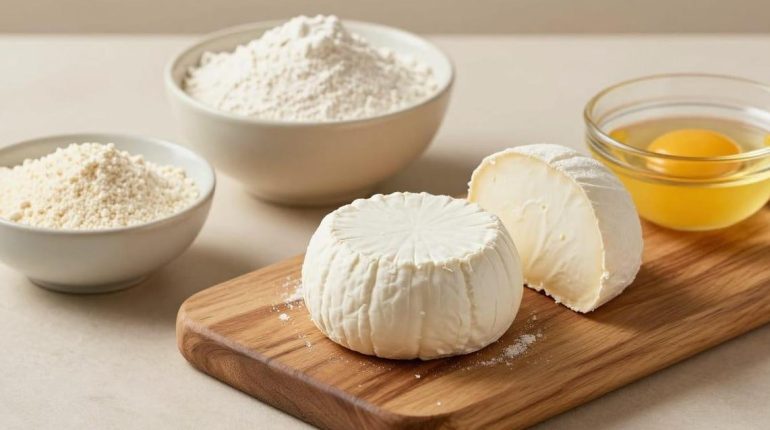
The ingredient list is remarkably concise: four Pélardons form the base, accompanied by 100g of flour and an equal amount of cornstarch (Maïzena), one egg yolk, a sachet of baking powder, 15cl of ice-cold water, frying oil, fleur de sel, and black pepper. No exotic components, no complex preparation.
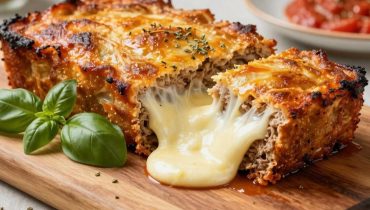
The preparation time defies all expectations: ten minutes of preparation, only two minutes of cooking. Twelve minutes separate the raw ingredients from the final plate, a rare promise in the gastronomic world. This speed of execution in no way alters the ambition of the result: the crispy tempura coating must reveal the milky melt of the Pélardon without masking it.
The Japanese technique stands here as a vector of enhancement rather than transformation. The balance relies on the precision of movements and respect for temperatures, essential conditions for a success that begins with the very first steps.
Preparation In Two Critical Steps
The execution begins by heating the oil to precisely 180°C in a deep fryer or wok. This temperature is non-negotiable: too low, and the batter absorbs the oil and becomes greasy; too high, and it burns before the cheese is cooked.
While the oil reaches the critical point, the whole Pélardons are rolled in 50g of cornstarch. This pre-coating creates an adhesive surface that will allow the tempura batter to cling uniformly to the cheese. The movement is similar to that of professionals: complete rotation, total coverage, without excess that would form lumps.
The coated cheeses are then set aside. This pause, even if brief, stabilizes the starch on the surface and prepares for the reception of the liquid batter. This step reveals a technical rigor inherited from Japanese tradition, where each movement anticipates the next in a millimeter-perfect choreography.
The oil temperature and the quality of the coating already determine 60% of the final success. These two technical fundamentals transform a simple recipe into a mastered execution, accessible to amateur cooks who respect the precision of the instructions.
Assembling The Tempura Batter: Secrets Of A Perfect Texture
Once the cheeses are stabilized, making the batter reveals the alchemy that distinguishes authentic tempura from simple frying. The mixture combines 100g of flour and 100g of cornstarch in equal parts, a ratio that guarantees the characteristic crispy lightness.
The egg yolk provides the necessary binding without weighing down the texture, while the baking powder introduces an imperceptible but decisive aeration. These two components activate the structure that will wrap the Pélardon in golden lace.
The determining element comes last: 15cl of ice-cold water, the temperature of which inhibits gluten formation. The colder the water, the less elasticity the flour develops, creating that instant friability upon contact with the hot oil. The thermal shock between the icy liquid and the 180°C oil produces the steam that lifts the crust.
The batter must never rest. Mixed at the last minute, it retains its irregular and lumpy character, unlike smooth Western batters. This intentional imperfection generates the ridges that crunch unevenly, multiplying the textures in the mouth.
The whole process takes less than three minutes, just before immersion. Each Pélardon coated in cornstarch then dives into this ephemeral emulsion, ready for the two minutes of frying that will complete the metamorphosis.
Finishing And Seasoning: Balance Of Flavors
After two minutes of frying, the Pélardon emerges transformed, its golden envelope already revealing the contrasts that define this preparation. Seasoning takes place immediately, without waiting for it to cool.
The Japanese philosophy of tempura rejects any aromatic overload. Here, fleur de sel and black pepper are enough, applied in a fine rain over the still-hot cheeses. The fleur de sel bursts into crystals that partially melt upon contact with the hot crust, while the pepper releases its essential oils under the effect of the heat.
This deliberate restraint aims for a specific goal: to enhance the Pélardon without masking it. The goat cheese already develops pronounced lactic and caprine notes, accentuated by the heat that makes its heart run. The crispy envelope brings textural contrast, and the mineral seasoning enhances the whole without creating gustatory competition.
Service requires immediacy. Every minute of waiting softens the crust as the internal steam gradually dampens it. Optimal tasting occurs within thirty seconds of leaving the oil, when the shock between the crunchy exterior and creamy interior reaches its peak.
This final sobriety transforms a thousand-year-old technique into a showcase for a regional product, proving that great cuisine is often born from measured addition rather than accumulation.