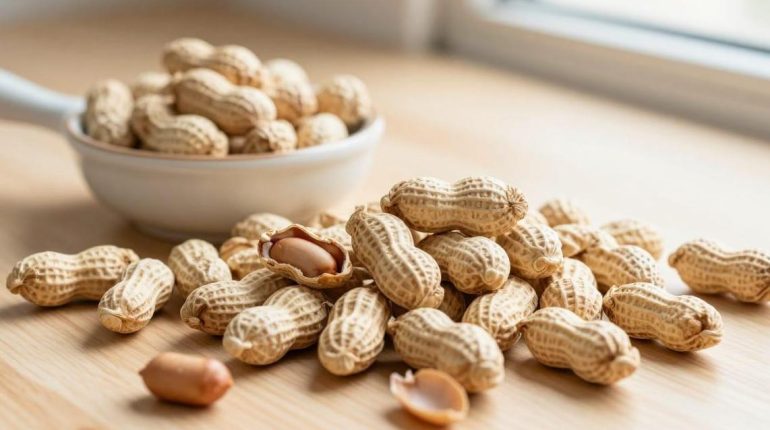
📌 Peanuts: 7 common errors that cancel out their health benefits
Posted 1 February 2026 by: Admin
Quantity Errors That Compromise Nutritional Benefits
Behind the image of a healthy snack lies a little-known trap: peanuts, despite their protein, healthy fats, and fiber, can sabotage your nutritional goals through simple excess. Their formidable energy density quickly transforms a virtuous snack into a calorie bomb.
A handful of 28 grams is enough. Beyond that, calorie intake soars without the feeling of satiety providing sufficient warning. This optimal daily dose preserves weight balance while delivering essential nutrients. The problem? Most consumers far exceed this limit, deceived by the modest size of these legumes.
Peanut butter perfectly illustrates this drift. Its creamy texture encourages exceeding the recommended 1 to 2 tablespoons. Result: hundreds of extra calories accumulate insidiously, day after day. Fats, even healthy ones, remain caloric. The equation is relentless: overconsumption equals weight gain, regardless of the initial nutritional virtues.
This portion error transforms a beneficial food into a factor of metabolic imbalance. Controlling quantity becomes as crucial as choosing quality, especially since other threats lurk within the very composition of commercial products.
Hidden Dangers In Composition And Processing
The agri-food industry has transformed this naturally nutritious snack into a minefield. Commercial salted peanuts hide a sodium load capable of raising blood pressure and progressively damaging the kidneys. This saline overload mechanically increases cardiovascular risks, canceling out the benefits of the naturally present unsaturated fats.
The trap becomes more complex with added sugars. Industrial peanut butters, coated or flavored peanuts: all contain massive doses of sugars and preservatives. This toxic combination promotes chronic inflammation and propels the risk of type 2 diabetes. What should nourish becomes a pathogenic factor.
“Natural” versions display a radically different composition: only peanuts, sometimes a pinch of salt. No syrup, no stabilizer, no sweetener. The nutritional difference amounts to dozens of grams of sugar avoided monthly. Yet, seductive labels often mask this reality: “creamy,” “smooth,” or “intense flavor” generally signal suspect additions.
Choosing unsalted and unsweetened peanuts now requires active vigilance. Scrutinizing the ingredient list becomes indispensable to escape industrial transformations that pervert an originally healthy food. But beyond visible additives, other microscopic threats can prove much more formidable.
Toxic And Allergic Risks Never To Be Neglected
Beyond industrial manipulations, certain biological threats transform peanuts into real dangers. Peanut allergy is among the most fearsome: it triggers violent immunological reactions that can culminate in anaphylaxis, a potentially fatal shock. A few milligrams are enough to cause throat swelling, a sudden drop in blood pressure, and respiratory arrest. No progressive tolerance exists: absolute avoidance remains the only strategy for allergic individuals.
Less spectacular but equally pernicious, contamination by aflatoxins silently eats away at the liver. These carcinogenic toxins, secreted by molds during humid or prolonged storage, accumulate in the body. Studies confirm their role in the development of liver cancers and irreversible tissue damage. The World Health Organization classifies them among proven carcinogenic substances.
Prevention rests on three pillars: purchasing from certified suppliers, storage in a cool and dry environment, and choosing roasted peanuts. High-temperature roasting drastically reduces aflatoxin concentrations, making the product safer. Systematically inspect the appearance of peanuts: any discoloration, rancid odor, or dusty appearance signals probable contamination.
These invisible risks demand constant vigilance, but other errors, this time related to the mode of consumption, can also compromise your digestive well-being.
Consumption Practices That Disrupt Digestion
This vigilance regarding contaminants must extend to preparation methods. Raw peanuts constitute a little-known digestive trap: they contain lectins, plant proteins that attack the intestinal mucosa and block the assimilation of essential minerals. These resistant molecules cross the digestive barrier without being broken down, causing cramps, bloating, and diarrhea. Worse still, the surface of untreated peanuts sometimes harbors pathogenic bacteria like salmonella, eliminated only by heat.
Roasting or boiling totally neutralizes these dangers. The thermal process deconstructs lectins and eradicates microbial agents, making nutrients fully bioavailable. This transformation explains why roasted peanuts are digested without difficulty, unlike their raw counterparts.
Another frequent error: consumption on an empty stomach. With nearly 50% lipids, peanuts require considerable digestive effort. Ingested on an empty stomach, they stagnate, ferment, and generate a persistent feeling of heaviness. Gastric juices, insufficient against this isolated fat load, struggle to break down the food. The result? Indigestion, acid reflux, and prolonged discomfort.
Food accompaniment changes the game: some fresh fruit, vegetables, or whole grains facilitate transit and balance nutritional intake. This digestive synergy transforms a potentially problematic snack into a stable energy source. Mastering these subtleties of timing and preparation allows for preserving all the assets of peanuts without suffering the gastrointestinal setbacks.