📌 Peach Tree Resin: How This Ancient Asian Ingredient Became a Wellness Ritual Through Hydration and Tradition
Posted 12 December 2025 by: Admin
Image d’illustration © TopTenPlay EN
The Ancient Amber Drops: What Is Peach Resin and Why Now?
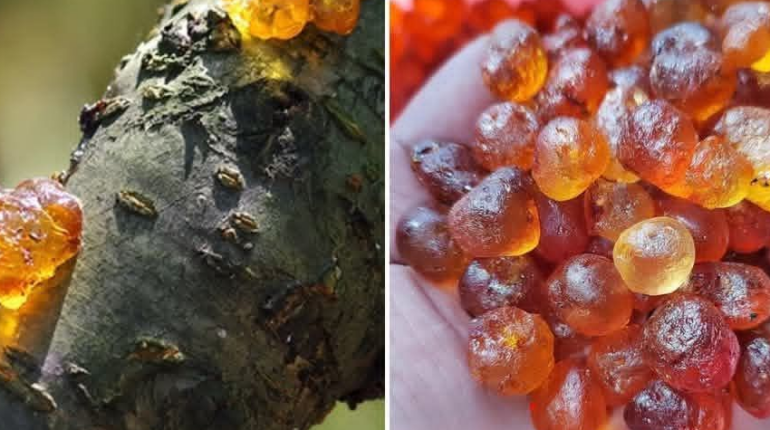
If you’ve wandered through an old orchard at sunrise, you may have noticed tiny amber droplets clinging to peach tree bark—almost like nature’s tear drops, hardened by time and wind. For centuries, these delicate beads have been collected and treasured across East Asia. Today, that ancient ingredient is quietly making its way into modern wellness kitchens and minimalist cooking rituals.
The transformation tells peach resin’s true story. What appears as small, unremarkable stones becomes something altogether different when soaked overnight: translucent, cloud-like jelly pieces that seem almost otherworldly. This dramatic metamorphosis—from amber crystal to glassy jelly pearl—captures why this ingredient captivates contemporary kitchens. It’s not driven by medical claims or miracle narratives, but by something gentler and more powerful: sensory ritual and mindful pause.
Peach resin, known as tao jiao (桃胶) in East Asia, is a natural secretion from mature peach tree bark. Once dried, it lies dormant. But soak it, and the magic unfolds—soft, silky pieces that invite you to slow down and breathe in a world that rarely pauses. This isn’t about fixing anything; it’s about creating moments of calm through texture, warmth, and connection to traditions many of us seem to miss.
The rising tide of interest reflects a deeper shift: people seeking foods that nourish both body and ritual. Where beauty soups simmer with snow fungus and longan, where warm desserts become bedtime ceremonies, peach resin finds its place—not as a supplement, but as a small luxury that transforms eating into meditation. Its revival represents something quietly revolutionary: the return to slow, intentional consumption in an age of speed.
Image d’illustration © TopTenPlay EN
Beauty From Within: Skin, Hydration and Traditional Wellness
The very ritual that slows time also nourishes it. Peach resin contains natural polysaccharides—the same compounds responsible for its signature jelly bounce—making it a cornerstone of what beauty enthusiasts call “inner hydration.” While it doesn’t manufacture collagen or claim clinical miracles, the ingredient aligns seamlessly with a centuries-old philosophy: that true radiance emerges from moisture-rich, intentional eating.
The transformation doesn’t end at texture. Once soaked, peach resin absorbs water like a living sponge, creating tiny pockets of hydration throughout each bite. This water-locking property makes it especially prized during dry seasons when the body craves moisture-dense foods—a quiet answer to parched skin rather than a bombastic promise. In beauty-focused soups, it partners with snow fungus, lotus seeds, and longan, each ingredient layering toward the same gentle goal: nourishment from the inside.
Traditional Chinese Medicine further elevates its role by classifying peach resin as “cooling,” making it ideal for warm-weather eating when heavier, warming foods feel burdensome. This isn’t arbitrary tradition but accumulated seasonal wisdom—choosing foods that harmonize with the body’s shifting needs throughout the year. Peach resin’s natural plant antioxidants complete the picture, weaving modern wellness language with ancient beauty culture’s core belief: that eating mindfully, ritually, and intentionally feeds something deeper than appetite alone.
Image d’illustration © TopTenPlay EN
Comfort, Calm and Mindful Consumption
Yet nourishment extends far beyond what science can measure. The warmth of a peach resin soup carries a grounding quality that invites something deeper—a deliberate pause in an otherwise fragmented day. As the ingredient simmers, it releases an almost meditative calm: slow down, breathe, and let the warmth settle in. This isn’t clinical soothing; it’s the kind of comfort that comes from ritual itself, from spoonfuls taken slowly, from the soft sweetness that makes bedtime feel less rushed and more intentional.
The ingredient’s practical elegance deserves equal attention. Because peach resin expands significantly during soaking, it creates filling, satisfying meals without the heaviness of richer desserts or soups. A small bowl becomes remarkably satisfying—perfect for those seeking mindful, low-calorie eating that never feels restrictive. Its gentle nature suits sensitive appetites beautifully, never overwhelming the palate, pairing effortlessly with warming additions like dates or ginger.
Peach resin earns particular reverence as a winter comfort, simmering quietly with goji berries, dried longan, and jujubes—not because of isolated health claims, but because these combinations embody warmth, nostalgia, and the cozy rituals families pass through generations. For sensitive digestion, it remains soft, neutral, and genuinely soothing. The texture itself becomes the teacher: how to eat slowly, how to savor, how to transform consumption into something closer to meditation than mere nutrition.
Image d’illustration © TopTenPlay EN
From Tradition To Your Table: Safe Preparation Guide
The ritual of preparing peach resin honors both its ancient roots and modern sensibilities. What begins as tiny amber crystals undergoes a remarkable metamorphosis: a simple 10-12 hour overnight soak transforms them into large, pillowy jelly clusters ready to nourish. This isn’t complicated kitchen science—it’s accessible, forgiving, and deeply rewarding for anyone seeking to bridge tradition with everyday cooking.
The preparation offers three versatile paths. A classic sweet soup simmers soaked resin with dates, goji berries, or longan, sweetened with rock sugar and cooked until silky translucence emerges within 20-30 minutes. For creamier indulgence, coconut or almond milk transforms the resin into a dessert bowl served warm or chilled. Those favoring modern textures simply blend fully soaked resin into fruit smoothies or yogurt for effortless elevation.
Safety remains paramount. Always source resin from trusted suppliers, rinse thoroughly to remove dark impurities that may cause digestive discomfort, and begin with small servings if your stomach tends toward sensitivity. Avoid entirely if allergic to peaches or stone fruits. This ingredient enhances life’s rituals—it never substitutes for medical care.
What emerges from these simple steps transcends mere preparation. Each spoonful carries the weight of centuries, a story whispered through generations, a moment deliberately carved from hurried schedules. Peach resin asks nothing more than patience, clean water, and the willingness to slow down—qualities increasingly rare, increasingly precious.