📌 Passion fruit tart on a chocolate base: the express two-layer recipe that marries acidity and indulgence
Posted 7 January 2026 by: Admin
A Crunchy Dark Chocolate Base In Minutes
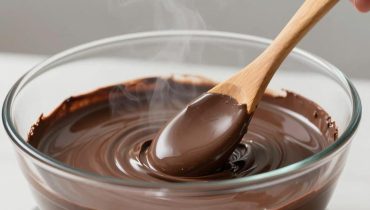
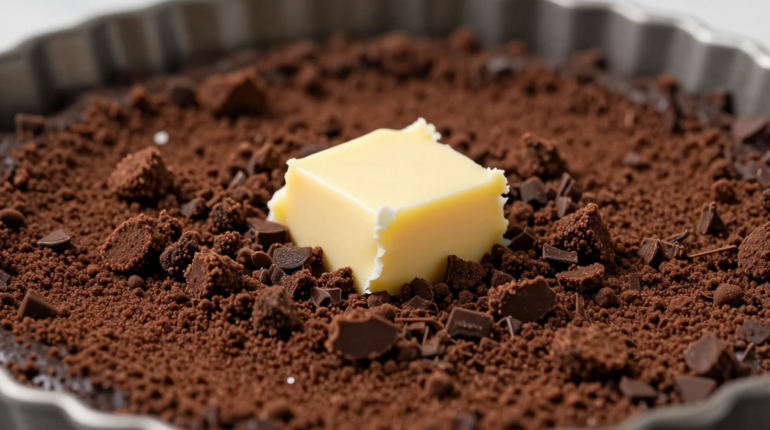
The strength of this tart lies first in its minimalist foundation. 250 g of chocolate biscuits like Oreos – with the cream removed – are enough to create a base worthy of a professional pastry shop. Once crushed into fine crumbs, these biscuits are combined with 100 g of melted butter which acts as a natural binder. The mixture clumps under pressure, forming a compact crust with pronounced cocoa aromas.
This technique eliminates the need for any pre-baking. The residual heat from the melted butter is enough to merge the crumbs into a coherent structure. The result: a crunchy texture that resists the moisture of the cream while maintaining its crumbly character. The dark chocolate of the biscuits brings a subtle bitterness that foreshadows the contrast with the upcoming fruity acidity.
The assembly requires only a tart tin and a spatula. Pressure from fingers or a flat glass uniformly compacts the preparation. This chocolatey base, both simple and sophisticated, lays the foundations for a pastry architecture where each layer will play a distinct role. The chocolate here is only a prologue before the entry of the passion fruit.
The Creamy Custard: When Passion Fruit Meets Milky Sweetness
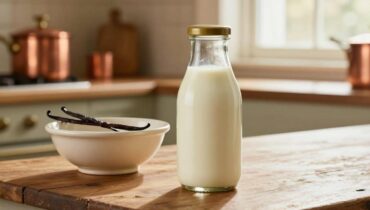
On this chocolate base now rests the central element of the tart: a cream where tropical exoticism invites itself into a milky matrix. 400 g of sweetened condensed milk form the skeleton of this preparation, simultaneously providing smoothness and sweetness without requiring prolonged cooking. The 200 ml of liquid cream lightens the texture while preserving the density necessary for the whole to hold.
The characteristic acidity of passion fruit enters the scene via 150 ml of carefully filtered juice, free of any seeds. This pure extraction concentrates the tropical aromas without interfering with the desired silky texture. The 3 egg yolks play their role as natural binders, creating a stable emulsion that gradually sets in the refrigerator. No gelatin or artificial thickeners are involved: protein chemistry is enough.
The result contrasts radically with the underlying crunchy base. Where the chocolate imposed its firm and crumbly character, the cream offers a melting texture that coats the palate. The fruity acidity cuts through the initial cocoa bitterness, orchestrating a gustatory dialogue between two antagonistic universes. This intermediate layer prepares the arrival of a final component that will reintroduce the fruit’s texture in its raw form.
The Coulis: The Sublimated Intensity Of Passion Fruit
Unlike the filtered juice in the cream, this final layer reintroduces the raw material of the fruit. 150 ml of pulp with seeds preserve the visual authenticity of the passion fruit, those small black specks that crunch slightly under the tooth and signal the tropical origin of the preparation. However, the initial liquid texture requires a transformation to prevent it from running off the tart.
A tablespoon of cornstarch, previously diluted in 2 tablespoons of cold water, performs this metamorphosis. Heated with the 150 ml of pulp and 50 g of sugar, it thickens the preparation in just a few minutes, creating a shiny coulis that coats without spreading. The sugar softens the natural acidity of the fruit without masking it, preserving that characteristic tang that justifies the entire construction of the tart.
This final coulis reintroduces a tactile dimension absent from the smooth cream. The seeds crunch, the texture coats the tongue differently, the acidity steps up a notch. Applied to the cooled surface of the cream, it creates a third experience of passion fruit: neither filtered as in the cream, nor crunchy like the base, but textured and concentrated. The three layers are now in place, each carrying its own sensory identity while dialoguing with the others.
Architecture Of A Tart With Assumed Contrasts
The layering of the three elements is not accidental. Each layer relies on the previous one to create a deliberate sensory progression: the crunch of the chocolate biscuit gives way under the pressure of the fork, releasing the velvety cream that coats the palate, before the tangy coulis cuts through this milky sweetness. This vertical architecture transforms each bite into a mini-tasting where flavors succeed each other without ever merging.
The chromatic opposition reinforces this principle. The dark brown bottom of the chocolate contrasts with the pale yellow of the passion fruit cream, itself punctuated by the black specks of the coulis seeds. This visual gradation from dark to light announces the gustatory trajectory: from the bitterness of cocoa to tropical acidity, passing through the sugary roundness of condensed milk.
The absence of oven baking is a paradoxical asset. The chocolate base remains firm thanks to the solidified butter, the cream sets in the cold without needing to go in the oven, the coulis gels by simple reduction. This tart is built by stratification and refrigeration, eliminating the risks of overcooking or collapsing. The contrasts remain sharp because no prolonged heat attenuates them.
The final result plays on three simultaneous registers: texture, temperature, and flavor. Each component retains its identity while contributing to the overall balance, creating a complete pastry experience without technical compromise.