📌 Parmesan chicken tenders: the triple breading technique for perfect crispiness
Posted 2 January 2026 by: Admin
A Crispy Recipe That Appeals To All Generations
Parmesan chicken tenders embody the perfect balance between crunchy texture and flavor intensity. This versatile recipe adapts to all occasions: a friendly appetizer, a gourmet snack between meals, or a generous main course accompanied by fries.
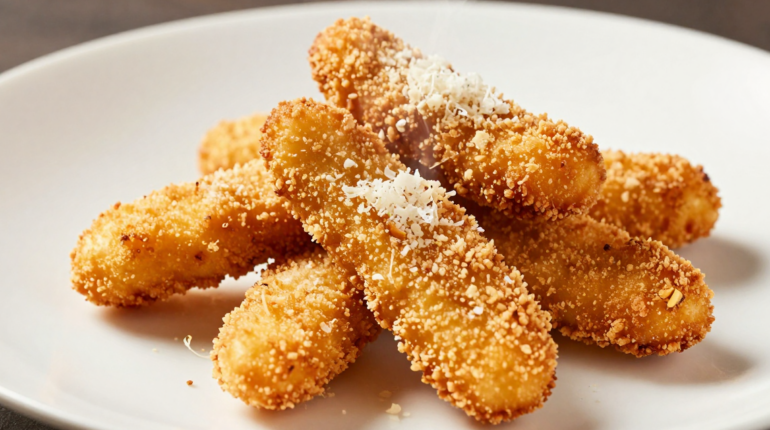
The golden cheese coating is the distinctive signature of these chicken strips. The panko-parmesan combination creates a golden crust that cracks delicately under the tooth, releasing pronounced cheesy aromas. This contrasting texture, both light and resilient, explains the universal success of the dish.
Children and adults alike succumb to these tenders. Younger ones appreciate the playful shape and familiar taste, while adult palates recognize the finesse of the seasoning and the quality of execution. Served with an assortment of dipping sauces, these chicken strips transform any moment into an irresistible culinary experience.
Mastering this recipe relies on the precision of the ingredients and the rigor of the coating process.
The Essential Ingredients For A Successful Coating
The success of these tenders relies on a selection of precise ingredients. 450 grams of chicken breast cut into regular strips constitute the protein base. The triple breading is built around 250 milliliters of all-purpose flour, two eggs beaten with 60 milliliters of milk, and then 250 milliliters of panko breadcrumbs mixed with 125 milliliters of grated parmesan.
The aromatic seasoning combines a teaspoon of garlic powder, half a teaspoon of paprika, and equal parts black pepper and salt. This balanced composition enhances the flavor of the chicken without masking the dominant cheesy note. Vegetable oil ensures frying at the ideal temperature to obtain the characteristic golden color.
The panko-parmesan combination represents the technical secret of this recipe. Japanese breadcrumbs, coarser than traditional breadcrumbs, create an airy and ultra-crispy texture. The parmesan brings its umami power and promotes golden caramelization during cooking. This synergy between light texture and intense flavor guarantees the success of the dish.
Fresh chopped chives, although optional, bring a touch of visual and gustatory freshness that contrasts harmoniously with the richness of the cheesy coating.
The Preparation Process In Key Steps
This triple coating technique transforms ordinary chicken into restaurant-worthy bites. Each strip successively passes through the three breading stations: coating in flour, immersion in the egg-milk mixture, and then full adhesion in the panko-parmesan combination. This succession guarantees a thick crust that withstands frying.
The temperature of the vegetable oil determines the final success. Sufficiently hot oil instantly sears the coating, creating a crispy barrier that traps the chicken juices. The tenders cook until they obtain that characteristic golden color, a sign of mastered cooking where the crust reaches its optimal crispiness without drying out the meat.
The complete process proves surprisingly accessible despite its professional result. No complex techniques are required: the method relies on the rigor of the triple pass and the control of the frying temperature. Even novice cooks obtain impressive results by respecting these fundamental principles.
The finish with fresh chopped chives, sprinkled immediately after draining, adds a visual dimension that enhances the presentation. This final touch transforms a family dish into a photo-worthy creation, ready to conquer guests straight out of the kitchen.
The Perfect Accompaniment For A Complete Meal
These parmesan tenders, successful as they are, reach their full potential when integrated into a convivial culinary composition. The association with golden fries and a selection of dipping sauces transforms this preparation into an accessible gastronomic experience, where each element amplifies the qualities of the others.
The fries-sauces duo follows a precise logic. The fries provide a texture contrast that complements the crispiness of the chicken, while the sauces allow each guest to personalize their plate. Smoky barbecue, honey-mustard, or ranch: this freedom of choice explains why this dish invariably appeals to everyone at the table.
Versatility of service is the major asset of this recipe. Served as an appetizer with a few sauces, it starts an evening on a gourmet note. Presented as a main course with its side of fries, it makes a complete meal that pleases everyone regardless of age. This rare adaptability justifies its status as a reliable staple in any culinary repertoire.
The irresistible character of these tenders comes as much from their texture as from their ability to create sharing. Arranged in the center of the table with their sides, they become the focal point of a convivial moment where everyone picks, dips, and savors according to their personal preferences.