Unlike many B6-rich foods that require cooking or preparation, bananas are ready to eat, require no refrigeration, and are easy to chew — practical advantages for older adults with limited mobility or dental concerns.
Not for everyone: the health conditions that change the equation
Despite the broad benefits, bananas are not a universally safe daily choice for all adults over 60. The same potassium content that supports heart health can pose risks for individuals with chronic kidney disease, whose kidneys may struggle to filter excess potassium from the blood — a condition known as hyperkalemia.
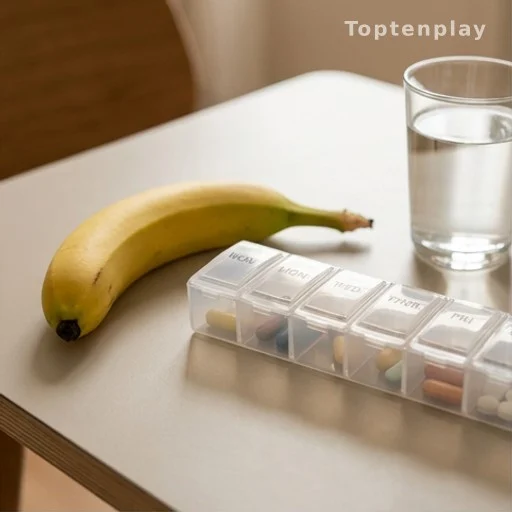
People managing type 2 diabetes should also factor in the fruit’s natural sugar content, particularly with riper bananas, which have a higher glycemic index than less ripe ones. A daily banana is not automatically off-limits, but portion timing and ripeness level become relevant variables to discuss with a healthcare provider.
Anyone taking potassium-sparing diuretics or ACE inhibitors — common prescriptions for blood pressure and heart failure in this age group — should check with their doctor before making a banana a daily habit, as these medications already raise potassium levels in the blood.
For adults over 60 with no contraindicated conditions, the evidence supports making a banana a regular part of the diet. The open questions center on individual health profiles: people managing kidney disease, diabetes, or taking potassium-affecting medications should seek specific guidance from their physician before treating a daily banana as a blanket recommendation. As research on gut microbiome health and aging continues to develop, the role of prebiotic fibers like resistant starch in long-term cognitive and digestive outcomes remains an active area of investigation.
Suggested Posts

He found a mystery object in a drawer — the internet solved it
A man helping his girlfriend tidy her room came across an unfamiliar object tucked inside a drawer — two handles, a curved shape, and…