Between seasons, when you’re looking for something warm without being heavy, Pad Thai almost naturally imposes itself. This organic Sriracha version is one we make on an ordinary weekday, without fuss, with what you can easily find. Thirty minutes, a wok, and it’s done.
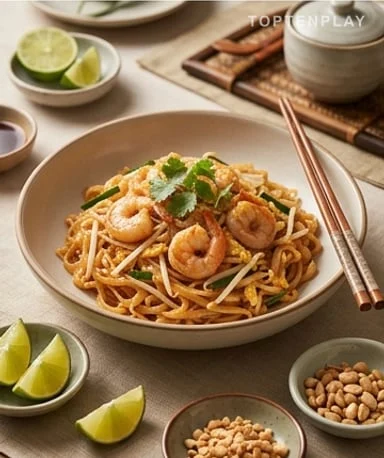
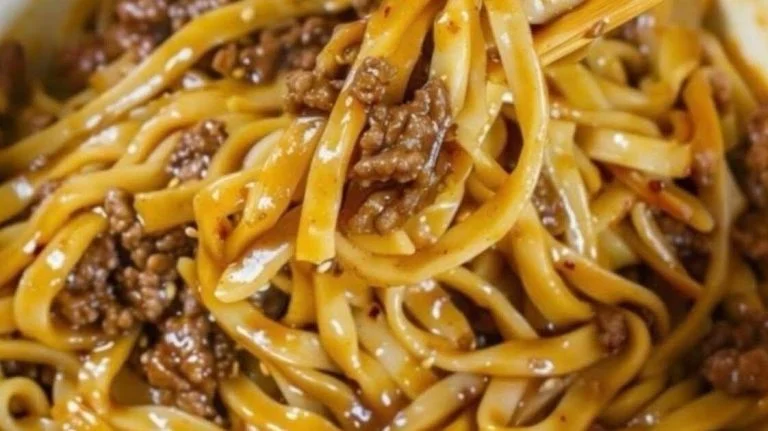
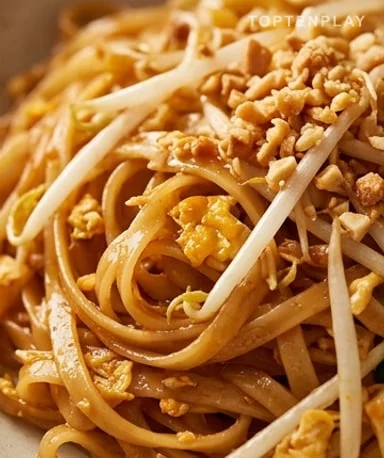
What strikes first is the smell. Ginger sizzling in hot oil, fish sauce lightly caramelizing on contact with the wok — it’s a combination that wakes up any kitchen. The rice noodles absorb the sauce like sponges and take on that characteristic amber color. The shrimp, pink and slightly tender, contrast with the sharp crunch of bean sprouts and crushed peanuts.
Why you’ll love this recipe
Ingredient Notes
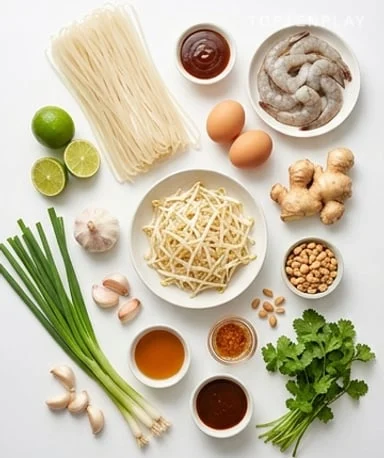
Everything you need for a successful Pad Thai: rice noodles, fresh shrimp, and a well-balanced sauce between salty, sweet, and spicy.
- Rice noodles : No need to boil them: a soak in cold water is enough. They finish cooking in the wok by absorbing the sauce, which gives them much more flavor than separate cooking.
- Fish sauce : The ingredient you hesitate to add but without which it tastes nothing. It smells strong in the bottle, but when cooking it blends into the sauce and gives that characteristic marine base of authentic Pad Thai.
- Sriracha : The heat is present but not aggressive. It enhances without burning, with a slight garlic note that pairs well with fresh ginger.
- Fresh ginger : Finely grated, it disappears into the preparation but leaves a gentle, aromatic heat that powdered ginger cannot reproduce.
- Roasted crushed peanuts : Add at the very last second to keep the crunch. They quickly absorb moisture from the dish — adding them too early turns them into mush.
The sauce is prepared before everything else
It’s the detail we often rush that makes all the difference. Mix chicken broth, fish sauce, soy sauce, brown sugar, and Sriracha in a small bowl before even touching the wok. You get an amber-brown liquid that smells of both sea salt and light caramel — exactly what it should smell at this stage. The sugar just needs to dissolve minimally. That way, when the wok is hot and things go fast, you pour directly without improvising proportions on the fly.
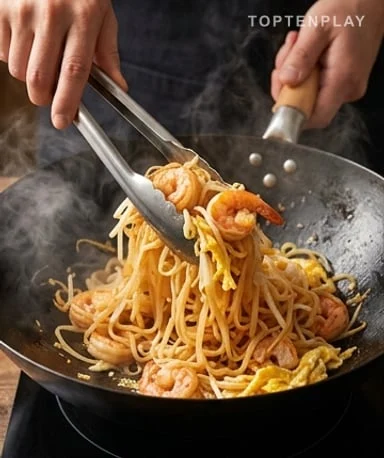
The wok hot, not warm: non-negotiable
A successful Pad Thai requires direct heat. Sauté the onion over high heat until it begins to brown on the edges, about two minutes. Ginger and garlic follow immediately, and their slightly pungent aroma is instantly felt in the rising smoke. Shrimp cook in less than three minutes at this temperature. Beaten eggs are added directly onto the shrimp and vigorously mixed to form strands rather than a compact omelet.
The noodles: they cook in the sauce, not before
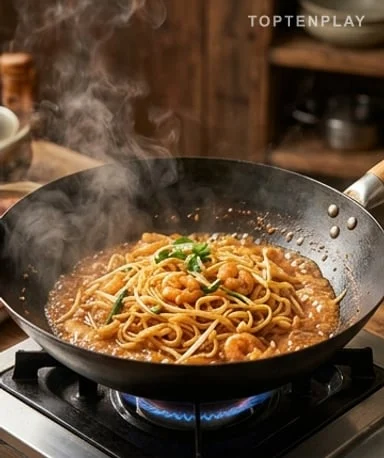
Add the drained noodles to the wok with all the sauce, and stir constantly for about ten minutes. They will first seem too soft. Then the sauce will gradually evaporate and coat them with a slightly sticky amber glaze. That’s exactly the texture we’re looking for. If a few noodles stick to the bottom, that’s a good sign — this slightly caramelized bottom gives character to the whole dish.
The garnishes are not optional
Chopped cilantro, scallions, bean sprouts, and peanuts: everything is added off the heat, at the very last second. Each element thus retains its freshness and own texture. The lime squeezed over the still-steaming dish releases a cloud of slightly tangy steam that revives all the aromas — it’s this little gesture that distinguishes a successful Pad Thai from an ordinary noodle dish.
Tips & Tricks
- Don’t overcrowd the wok: if you double the quantities, make two batches. An overcrowded wok prevents evaporation and you end up with noodles swimming in the sauce instead of absorbing it.
- Frozen shrimp work very well here. Thaw them in a bowl of cold water for twenty minutes and dry them thoroughly before putting them in the wok — that’s what allows a nice color rather than a boiled texture.
- Adjust the Sriracha according to your tolerance, but don’t remove it completely. Without it, the sauce lacks a slightly warm base that balances the sweetness of brown sugar.
Can I replace the shrimp with something else?
Yes, without problem. Thinly sliced chicken breasts work very well and cook in about the same time. Firm tofu cut into cubes, previously pan-fried to brown, also works perfectly for a vegetarian version.
Why soak the noodles in cold water rather than hot?
Cold water softens the noodles gently without starting to cook them, allowing them to remain slightly firm before going into the wok. If you soak them in hot water, they arrive already too soft and end up mushy once in the sauce.
Is fish sauce really essential?
It’s hard to bypass in Pad Thai. It gives that characteristic marine umami base that soy sauce alone cannot reproduce. If you can’t find fish sauce, Thai fish sauce (nam pla) is identical — avoid replacing it with something else.
How to prevent the noodles from sticking together after soaking?
Drain them thoroughly and incorporate them into the wok immediately, without letting them sit out. If you don’t cook immediately, toss them with a drizzle of neutral oil to prevent clumping.
Can I prepare this Pad Thai in advance?
Pad Thai is really best served immediately, straight from the hot wok. Reheated, it loses texture — the noodles soften and the garnishes wilt. If you must make ahead, keep peanuts, bean sprouts, and cilantro separate and add them only when serving.
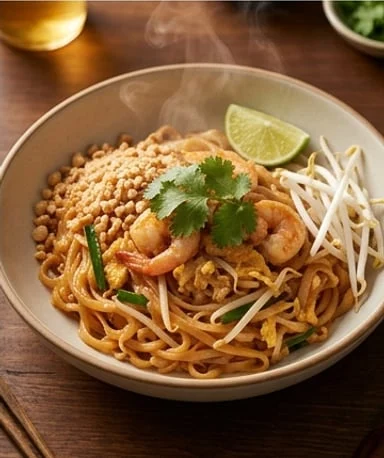
Organic Sriracha Pad Thai
Thai
Main dish
A weekday Pad Thai, simplified without compromising on taste. Shrimp, rice noodles, and a balanced sauce between salty, sweet, and spicy — all ready in 45 minutes with just one wok.
Ingredients
- 350g rice noodles
- 250g medium peeled shrimp
- 2 eggs
- 1 onion, finely sliced
- 2 garlic cloves, minced
- 3 cm fresh ginger, grated
- 4 scallions, sliced
- 100g bean sprouts
- 50g roasted crushed peanuts
- ½ bunch fresh cilantro
- 1 lime
- 2 tbsp neutral oil
- 1 tbsp soy sauce (for wok frying)
- 10 cl chicken broth (for sauce)
- 3 tbsp fish sauce (for sauce)
- 3 tbsp soy sauce (for sauce)
- 1 tbsp brown sugar (for sauce)
- 1 tsp Sriracha (for sauce)
Instructions
- 1Soak the rice noodles in a large bowl of cold water for 25 to 30 minutes until pliable. Drain and set aside.
- 2Prepare the sauce: mix chicken broth, fish sauce, soy sauce, brown sugar, and Sriracha in a bowl. Stir until sugar is completely dissolved.
- 3Heat oil over high heat in a wok. Sauté the onion for 2 minutes until lightly browned on the edges. Add soy sauce, garlic, and ginger, stir for 30 seconds.
- 4Add the shrimp and sauté for 2 minutes. Pour the beaten eggs directly into the wok and stir vigorously to form egg strands rather than an omelet.
- 5Add the drained noodles and pour in all the sauce. Stir constantly over high heat for 8 to 10 minutes until the sauce is absorbed and the noodles are evenly coated.
- 6Off the heat, add bean sprouts, scallions, and peanuts. Toss quickly. Serve immediately with a lime wedge and fresh cilantro.
Notes
• Dry the shrimp well with paper towels before adding to the wok — this gives a pink color rather than a boiled texture.
• To double the quantities, make two separate batches: an overcrowded wok doesn’t heat enough and the noodles won’t absorb the sauce properly.
• Sriracha can be adjusted to taste, but do not omit it entirely — it balances the sweetness of the sauce and provides an essential warm background.
Nutrition Facts (per serving, estimated)
| 485 kcalCalories | 28gProtein | 60gCarbs | 14gFat |