📌 Onions: why red and yellow varieties surpass white ones in antioxidants
Posted 26 February 2026 by: Admin
Active Compounds Of The Onion: An Unsuspected Wealth
Behind the apparent banality of the onion lies a biochemical composition of surprising complexity. This bulb is part of the Allium family, alongside garlic, leeks, and shallots—vegetables long studied for their potentially beneficial natural health properties. But it is in its flavonoid content that the onion reveals its true uniqueness.
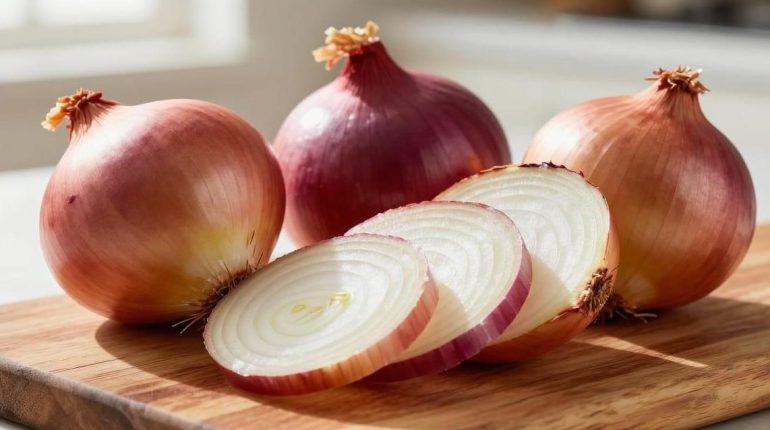
Quercetin, the main antioxidant compound present in onions, acts as a natural shield against the oxidative stress our bodies undergo daily. These plant antioxidants help neutralize free radicals, unstable molecules produced by cellular metabolism and exposure to environmental aggressions. Contrary to popular belief, not all onions are equal: red and yellow varieties concentrate significantly higher levels of these beneficial compounds compared to white onions, a distinction few consumers know when filling their baskets.
This richness in flavonoids positions the onion no longer as a simple flavor enhancer, but as a true nutritional ally. Regularly integrated into the diet, this ordinary vegetable participates discreetly but effectively in the management of daily well-being, transforming every dish into an opportunity for natural support for the body.
The Onion In The Daily Diet: A Discreet Ally
This nutritional richness takes on its full meaning when observing the universal presence of the onion in culinary traditions worldwide. From Mediterranean soffritos to French mirepoix, from Indian curries to Asian stir-fries, this bulb constitutes the invisible aromatic base of thousands of recipes passed down from generation to generation.
The paradox is striking: we use onions almost mechanically, without really considering their contribution beyond flavor. Sliced raw in a Greek salad, slowly confit in a French onion soup, caramelized to elevate a burger, or simply sautéed in olive oil as the foundation of a tomato sauce—the onion adapts to all cooking methods and integrates naturally into a balanced diet. This culinary versatility facilitates regular consumption, an essential condition for benefiting from its properties in the long term.
Unlike exotic superfoods touted by nutritional trends, the onion requires no special integration effort. It is already there, in your kitchen, simply waiting to be recognized no longer as a simple basic ingredient, but as true daily support for well-being. This very familiarity explains why its virtues remain so widely unknown to the general public.
Antioxidants At The Heart Of Well-Being
This familiarity, however, conceals a precise biological mechanism. The most notable quality of the onion lies in its concentration of natural antioxidants, those plant molecules capable of interacting with the free radicals produced daily by our bodies. Every time we breathe, digest, or are exposed to environmental pollutants, our body generates oxidative stress that the phenolic compounds in onions help regulate.
Quercetin, this flavonoid present in significant quantities in colored varieties, does not function as a one-time miracle cure. Its action is long-term: consumed regularly, it participates in daily cellular balance without an immediate spectacular effect, but with a discreet consistency. Studies on the Allium family suggest that these plant compounds support the body’s natural protection mechanisms when they are sustainably integrated into the diet.
The common mistake is to look for immediate benefits where nutrition works through progressive accumulation. An onion consumed today will not transform your health tomorrow. But onions naturally integrated into your meals for months or years silently participate in a global nutritional ecosystem—one where each ingredient plays a complementary role in maintaining long-term well-being.
From Taste To Benefits: Rethinking The Onion
This nutritional patience radically transforms our perception of an ordinary vegetable. What many people don’t realize is that the onion goes far beyond its aromatic function to offer a range of natural compounds capable of supporting daily well-being. Research conducted on the Allium family—onions, garlic, leeks, shallots—reveals potential properties that have justified decades of scientific studies, far beyond simple culinary interest.
The mistake would be to isolate the onion as a miracle ingredient. Its true power lies in its natural integration into a balanced diet: it replaces nothing, but enriches everything. When consumed regularly—in sautéed bases, fresh salads, simmered sauces—it discreetly contributes to an overall intake of protective plant compounds, without requiring a radical change in eating habits.
This reassessment of a familiar ingredient perfectly illustrates how modern nutrition is rediscovering ancestral wisdom. Traditional cuisines worldwide have instinctively placed the onion at the heart of their daily preparations, not by chance, but perhaps through a collective intuition that science is only beginning to document. The onion doesn’t need to become trendy: it’s enough to recognize what it already offers, day after day, on our plates.